
 Jens Asbjørn Bøgen
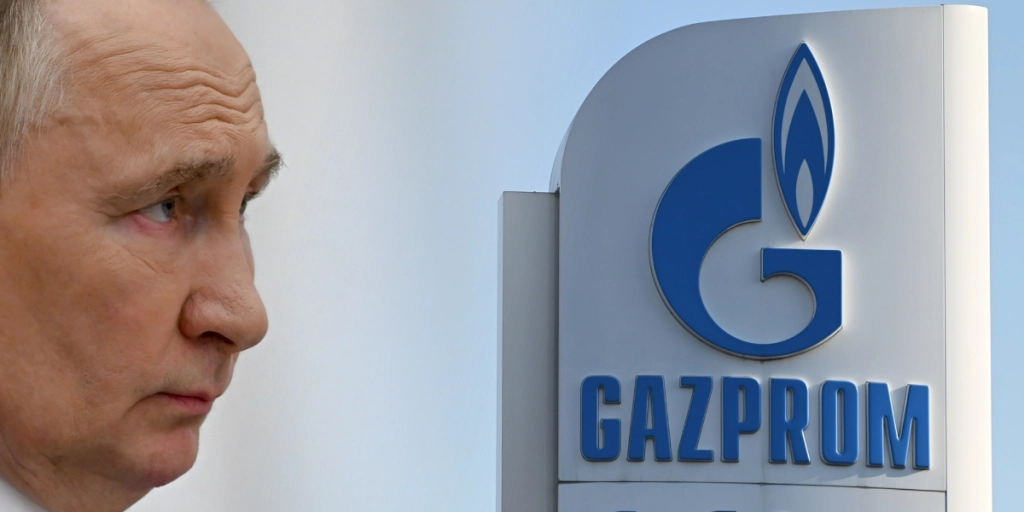
The company hasn’t been able to plug the whole in revenue lost when Europe turned away from Russian gas following the invasion of Ukraine.


When a nation relies heavily on a single massive industry, any sudden crack in that foundation can shake the entire country.
For years, one energy powerhouse seemed untouchable, fueling both national pride and global markets.
But times change, and even the biggest giants can stumble when the world shifts beneath them.
Massive stock slide
On Thursday, Russia’s state-owned gas giant Gazprom saw its stock price collapse to historic lows. The sudden plunge dragged down the rest of the Russian stock market, casting a long shadow over Moscow’s financial hub.


Shares fell more than 5 percent, hitting 83.98 rubles, meaning it officially broke the previous record low set during the devastating global financial crash of 2008.
According to estimates by the independent Russian outlet The Bell, Gazprom’s total market value has shriveled to just over 2 trillion rubles, or roughly $25.7 billion – a staggeringly low number for a firm that once dominated global energy.
The wider Russian stock market took a massive hit as well. The Moscow Times reported that the main MOEX index hit its lowest point since the autumn of 2022, extending a historic nineteen-week losing streak.
Negotiations stalled
Analysts speaking to Interfax pointed to a mix of explanations for the new all-time-low or the energy giant with overall market dread and a recent announcement that Gazprom will not pay dividends for the fourth year in a row being two of the reasons.
To make matters worse, a crucial lifeline to the East seems to be fraying. The Wall Street Journal recently reported that massive pipeline negotiations between Moscow and Beijing have ground to a halt.
China wants to buy Russian gas, but only if it can pay cheap domestic Russian rates. Gazprom has desperately tried to replace its lost, highly profitable European buyers since the 2022 invasion of Ukraine.
While it has successfully redirected some energy flow to Asian hubs like India, this latest setback with Beijing suggests the road ahead remains incredibly rocky.



