
 Kenneth Glad
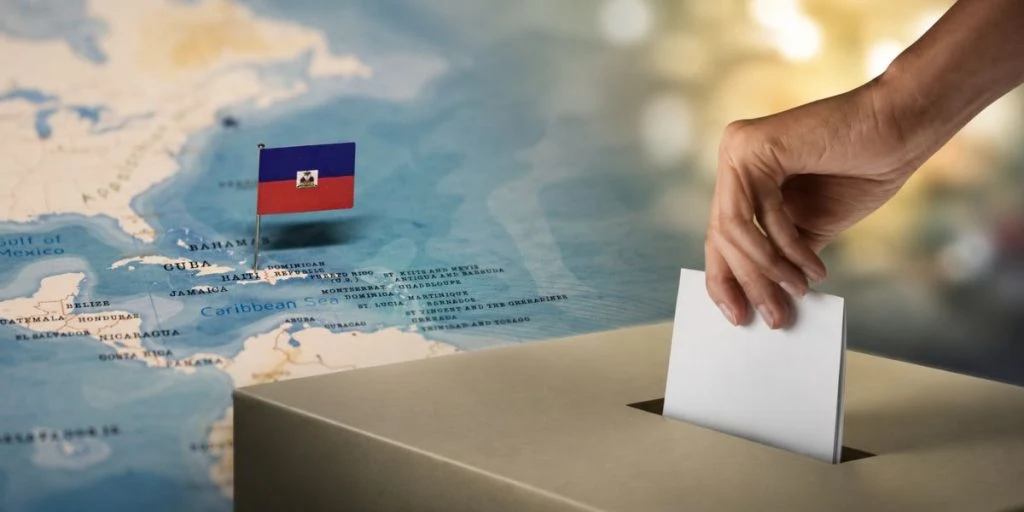
Ten registration centres have opened in safer parts of the capital, but armed groups still control key roads and densely populated districts. Those divisions could determine whether the planned national ballot reaches most voters.


Haiti has been without an elected president since Jovenel Moïse was assassinated in July 2021. The country has not held general elections since 2016, and repeated efforts to organise another nationwide vote have failed.
Haiti’s Provisional Electoral Council is responsible for organising the ballot and registering voters. Its calendar places the first round of presidential and legislative elections on December 13, 2026, alongside a referendum on proposed constitutional changes, writes the Haitian Times.
A possible second round is scheduled for February 21, 2027. The council has warned that the timetable depends on adequate funding and an acceptable security environment.
More than half of Haiti’s electorate lives in Port-au-Prince and the Central and Artibonite regions, according to the Associated Press. Armed groups control large sections of the capital and important routes into the other two regions.


Election staff may be unable to reach some communities or safely transport registration materials. Candidates are also likely to encounter restrictions when campaigning in territory outside government control.
Gang control restricts access
Ten initial registration centres were established in Pétion-Ville, Delmas and Tabarre, according to official information cited by the Associated Press. These communities are considered more accessible than many other parts of the capital.
The president of the electoral council also announced plans to open 20 additional centres in Pétion-Ville. Decisions about expanding registration into other communities remain with the government.
Police and a United Nations-backed security mission have retaken areas near the National Palace. Analysts cited by the Associated Press said those gains had not substantially weakened armed groups across the capital or along major provincial routes.
Filmmaker sees major obstacles
Danish broadcaster TV 2 reports similar concerns from filmmaker Asger Leth, who has travelled to Haiti regularly since the 1980s and made a documentary about gang life in Port-au-Prince.
“People may be able to vote on the northern coast, perhaps on the southern coast, but more than half the country is not functioning, and voters cannot get through because it is not safe,” Leth said.
He argued that the problem is especially serious in central Haiti, where much of the population lives and where insecurity has made movement between communities increasingly difficult. In his view, an election held under those conditions would struggle to include a representative share of the electorate.
“Life does not function in the capital. How do you have an election when those who would normally go to school cannot do so?” he said, adding that many residents are afraid to enter the streets.
The filmmaker also suggested that the election timetable reflects international pressure to give Haiti the appearance of a functioning democracy. He remains deeply pessimistic about the country’s ability to restore security without much stronger outside intervention.
Critics interviewed by the Associated Press furthermore said that the proposed constitutional changes had not been adequately explained. The immediate test is whether election workers can establish registration sites beyond protected districts. Failure to reach heavily populated areas would damage the credibility of the final result.
Sources: Associated Press, TV 2, Haitian Times



