
 Lauge Risom Koch

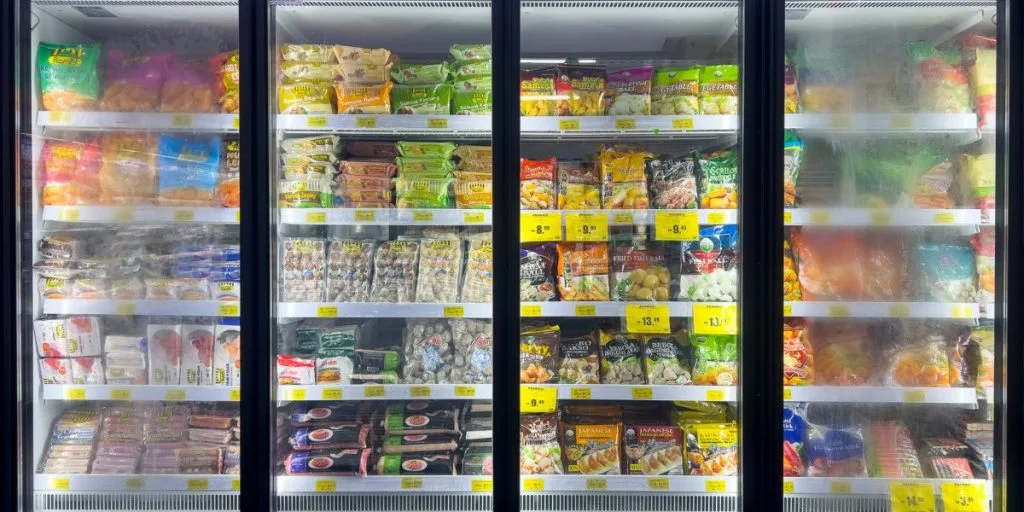
Cyberattacks targeting supermarket refrigeration systems across nine European Union countries raise concerns over foreign hybrid operations.


Cyberattacks targeted supermarket refrigeration systems across at least nine European Union member states. According to United24 Media, the disruptions affected cooling units across Belgium, Luxembourg, Sweden, Germany, Ireland, the Netherlands, Estonia, Finland, and Romania on November 2. The equipment failures forced store managers to confront malfunctioning systems during the second wave of retail disruptions in recent weeks.
The disruptions followed cyberattacks against French supermarkets on October 11 and 12. EU Agriculture and Food Commissioner Christophe Hansen described the incidents as a “deliberate attempt to disrupt our food supply chain.” European Commission security officials are expected to investigate the vulnerability of retail infrastructure.
Authorities have not yet established who is responsible for the attacks. Determining the origin of cyber operations remains difficult and often involves diplomatic considerations. A spokesperson for Belgium’s cybersecurity agency stated that “it is not known who is behind this attack, and it may never be possible to identify them.”
Technical analysis and attribution
Cybersecurity specialists suggested that the technical capabilities involved point toward state-sponsored actors. Russia, China, Iran, and North Korea represent the four nations most frequently associated with cyber operations targeting Europe. Experts cited by media reports believe the specific characteristics of the incidents make Russian involvement plausible.


Researchers at cybersecurity company Lupovis collected data from attacks targeting simulated decoy systems known as honeypots. “We strongly believe this activity could be attributed to a Russian state-sponsored threat actor,” Lupovis chief executive Xavier Bellekens stated. Bellekens explained that the servers used to target the honeypots had been employed by Russian groups in the past.
Compromising industrial control systems and commercial refrigeration requires specialized technical knowledge. Bellekens described the technical expertise required to execute the operation as “not trivial.” The recurring attacks across multiple countries against similar refrigeration systems further supported suspicions of a coordinated operation.
Hybrid operations against European nations
The incidents occurred amid broader concerns regarding Russian efforts to intensify hybrid operations against European countries. Security officials view disruptions of food logistics as an attempt to test the resilience of civilian infrastructure. The attacks highlight vulnerabilities in commercial supply chains during periods of heightened geopolitical tension.
Reports indicate Russian leader Vladimir Putin directed an escalation of sabotage activities against NATO member states. Three European officials familiar with American intelligence assessments confirmed the directive on October 20. The reported actions involve physical sabotage and surveillance alongside digital disruptions targeting commercial infrastructure.
Officials linked the decision to limited Russian battlefield progress in Ukraine and ongoing military losses. Ukrainian strikes against strategic and military facilities inside Russia have also placed pressure on Moscow. Faced with Kyiv’s refusal to accept Moscow’s conditions, Russian strategists have expanded hybrid tactics across Europe.



