
 Edith Hejberg

The goal now is to push the fight back beyond urban perimeters.


Ukraine is adapting its air defense tactics in a bid to stop Russian attacks before they reach major population centers.
Military analyst Denys Popovych told Radio NV that the strategy involves moving interception points further from key cities to reduce casualties and damage.
Why drones are still falling over cities
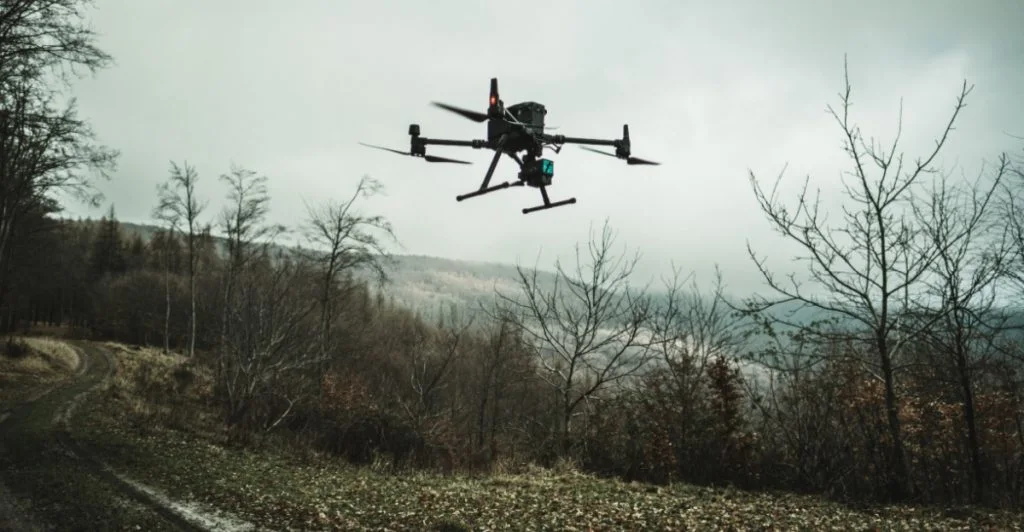
Popovych questioned why so many interceptions still occur directly above cities like Kyiv and Dnipro. He stressed that this only increases the risk to civilians, as debris and missile fragments fall on homes and streets.
The goal now is to push the fight back beyond urban perimeters.


Mapping Russian attack routes

A major focus of the new defense plan is compiling extensive data on the flight paths of Russian drones and missiles.
This includes images, GPS coordinates, and repeated attack patterns, critical details for building an early-warning system that can act more decisively.
How AI is powering Ukraine’s defenses

Artificial intelligence is playing an increasingly central role in Ukraine’s defense operations.
Popovych explained that AI will help process attack data, identify trends, and assist operators in assessing threats and choosing the best response options in real time.
Building a smarter interception network

The end goal, according to Popovych, is to establish a fully integrated defense system, one that combines AI, predictive analytics, and faster operator decisions to intercept missiles more systematically and farther from civilian targets.
New leadership to fight drone warfare
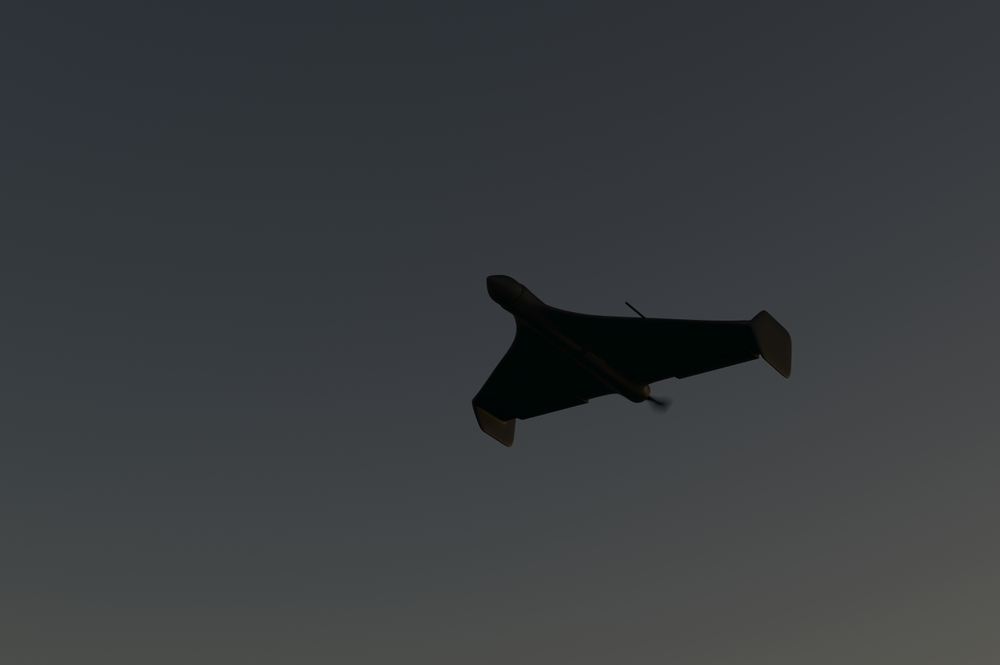
In a strategic leadership move, Minister Mykhailo Fedorov has appointed Pavel “Lazar” Yelizyarov as deputy commander of the Ukrainian Air Force.
Yelizyarov is tasked specifically with improving small-scale air defense operations, especially against drones.
Who is Pavel “Lazar” Yelizyarov?

Known for his technical expertise, Yelizyarov will now oversee the development and deployment of specialized drone interception units.
His appointment reflects Ukraine’s growing emphasis on adapting to new aerial threats and staying ahead of Russian tactics.
A national anti-drone shield

Fedorov also revealed plans for a domed anti-drone system that would span across Ukraine.
The idea isn’t just to react after a strike, but to proactively intercept drones before they reach their intended targets, especially in densely populated zones.
The goal: stop drones before they strike
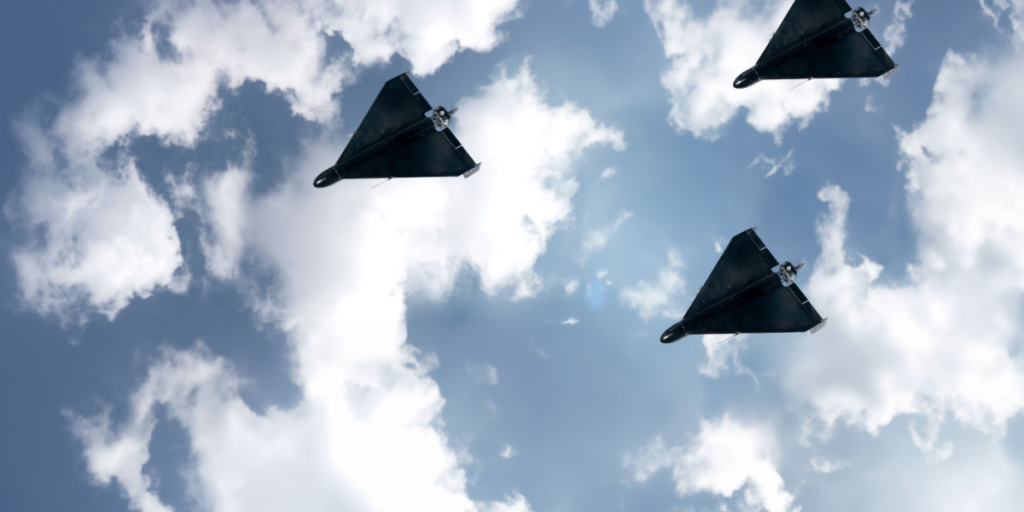
This new “dome” defense system aims to identify, track, and destroy enemy drones while they are still en route.
That way, Ukraine can better protect its energy infrastructure, critical transport links, and civilian lives from being caught in the crossfire.
Integrating new tech on the battlefield
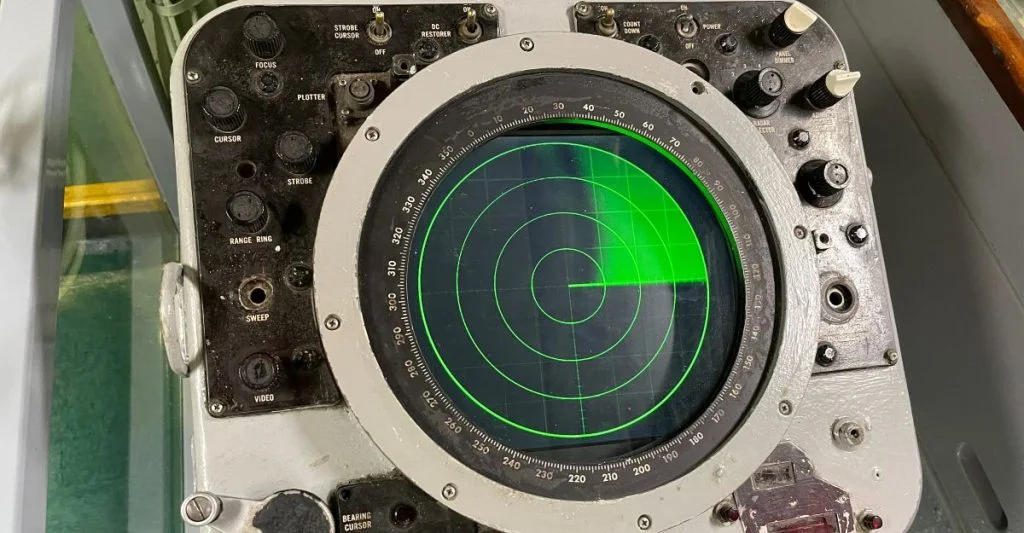
The integration of AI with ground-based radar, satellite tracking, and mobile defense systems signals a tech-forward approach to modern warfare.
It’s a pivot toward smarter, faster, and more agile defense operations that keep pace with evolving threats.
A broader message to Russia
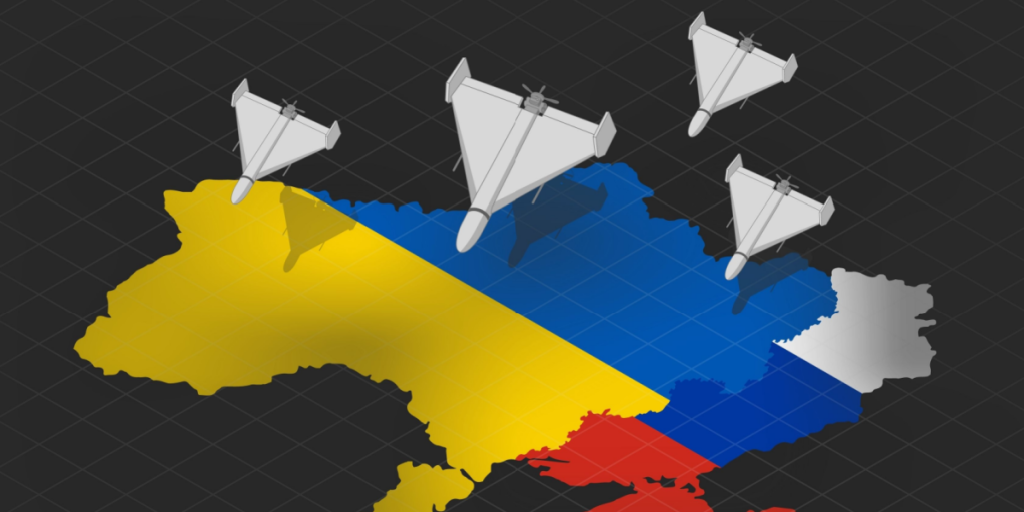
By intercepting drones earlier and strengthening its air defense infrastructure, Ukraine also sends a message to Russia: the cost of drone warfare is rising.
It forces Russian forces to reconsider how and where they attempt to strike.
Iran’s role in Russia’s drone supply

Meanwhile, the United States has declassified intelligence showing that Iran sold drones to Russia.
These weapons have been used in numerous strikes across Ukraine. The U.S. disclosure underlines the international scope of the conflict.
Staying ahead in a high-tech war

Ukraine’s new strategy isn’t just reactive, it’s designed to outpace enemy advances.
By combining data, AI, and leadership shifts, the country is working to eliminate threats faster and with greater precision than ever before.



