
 Kathrine Frich
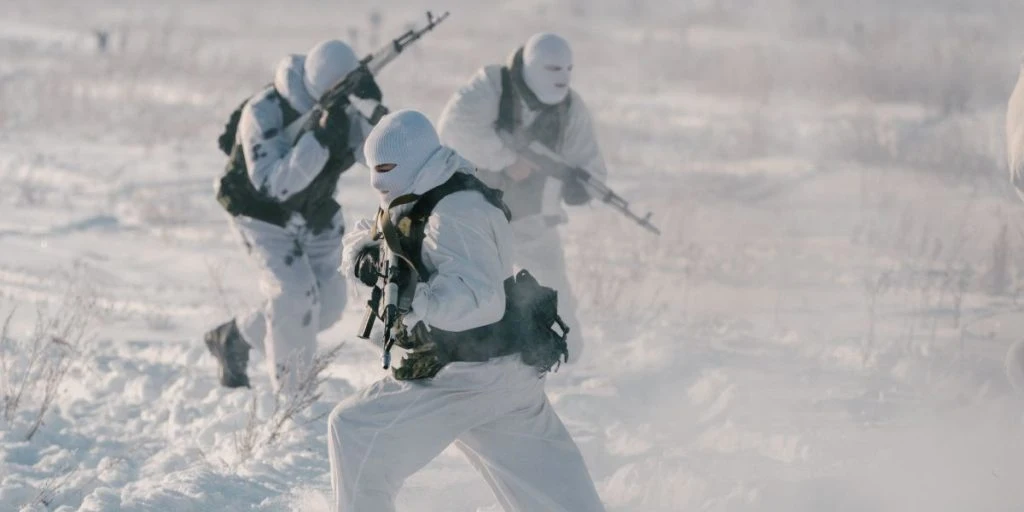
The war in Ukraine is leaving deep scars inside Russia’s own ranks.


As fighting drags on, intercepted communications are offering rare insight into the mental state of soldiers serving on the front lines.
According to Ukrainian intelligence, the recordings point to growing despair and coping mechanisms that go far beyond battlefield hardship.
Intercepted voices
Ukraine’s Defence Intelligence Directorate (HUR) said it had obtained radio intercepts of Russian military communications discussing the use of narcotics at the front.
The agency released details of the recordings on its official Telegram channel on January 31.


In one intercepted exchange, a Russian soldier asks another:
“Do you happen to have any trimethylfentanyl, phenadone, or dolophine? Just to somehow smooth out these combat days… psychologically, it’s already unbearable.”
HUR said the conversation reflects mounting psychological strain linked to constant losses, failed assaults and prolonged exposure to combat conditions.
Drugs in trenches
According to HUR, the soldiers also discussed the possibility of producing strong painkillers in field conditions.
The idea was quickly dismissed due to a lack of chemicals.
“Unfortunately, we don’t have the reagents here. All we have is paracetamol, and that would just poison us,” one soldier said in the intercepted recording.
Ukrainian intelligence assessed that such exchanges point to more than isolated incidents, suggesting drug use has become a coping mechanism for some units.
Morale breakdown
HUR analysts argue that opioid use is a symptom of wider morale and discipline problems within the Russian army.
They said traditional military propaganda is no longer enough to sustain motivation amid daily Ukrainian artillery fire, command failures and the absence of visible progress.
“The continued firepower of Ukraine’s Defence Forces, catastrophic losses, lawlessness among commanding officers, and the complete absence of future prospects appear to be offset only by drug use,” HUR said in its statement.
The agency framed the issue as part of a broader pattern of psychological collapse rather than individual misconduct.
Grim statistics
Earlier, HUR reported a sharp rise in non-combat deaths among Russian troops.
According to figures cited by the agency, more than 600 such deaths were recorded in 2024–2025.
Of those, 112 deaths in 2025 alone were attributed to drug poisoning, nearly matching the total number recorded during all of 2024.
Ukrainian intelligence has also pointed to rising suicide rates and substance abuse as indicators of deepening demoralisation.
HUR said the figures underline the toll the war is taking on Russian forces as the conflict shows no sign of easing.
Sources: Ukraine’s Defence Intelligence Directorate (HUR), United24Media.



