
 Edith Hejberg
The study analyzed data from more than 322,000 adults.
All participants were part of the UK Biobank, a long-term health study.


If you’re someone who comes alive after dark, new research suggests your heart may need extra care.
A large study has found that people who naturally stay up late are more likely to have poorer cardiovascular health.
The findings don’t mean heart disease is inevitable, but they do highlight patterns worth paying attention to.
Experts say understanding these risks is the first step toward reducing them.
What the new study found

Researchers looked at the link between sleep timing preferences and heart health.
They found that night owls were more likely to develop heart disease than people without a strong morning or evening preference.
The association was especially noticeable among middle-aged and older adults.
Women showed an even stronger link between late schedules and poorer heart health.
Who was included in the research

The study analyzed data from more than 322,000 adults.
All participants were part of the UK Biobank, a long-term health study.
They lived in England, Scotland, or Wales.
This large sample helped researchers spot long-term patterns over time.


Understanding chronotypes
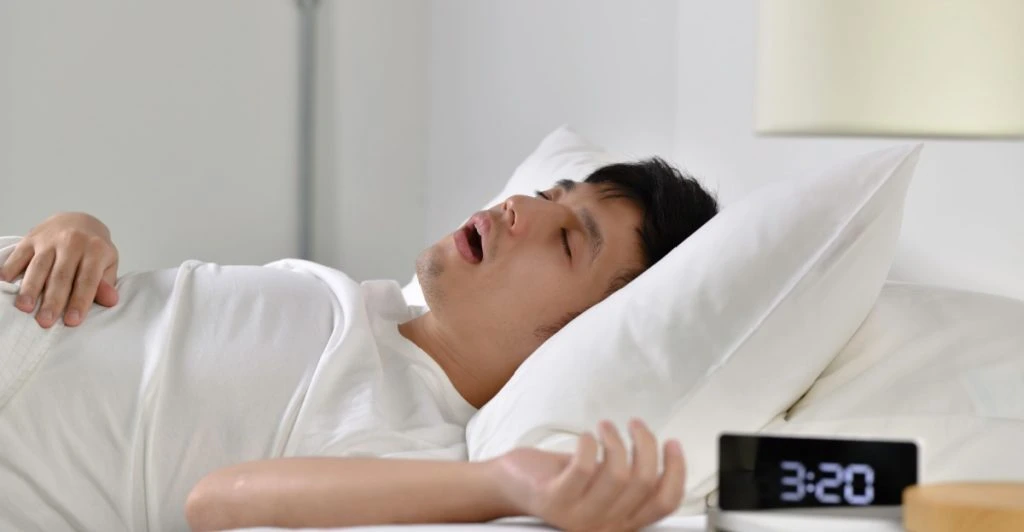
Participants self-identified their chronotype, or natural sleep-wake preference.
They were grouped as morning types, intermediate types, or evening types.
No specific bedtimes or wake-up times were assigned.
The classification relied entirely on personal preference.
What chronotype really means

Chronotypes reflect “a person’s natural preference for sleep timing and daily rhythms,” according to Dr. Sina Kianersi.
This includes early birds, night owls, and people somewhere in between.
Problems can arise when internal body clocks don’t align with work or social schedules.
That mismatch may place extra stress on the body.
Measuring heart health in a broader way

Unlike earlier studies, this research didn’t focus on just one risk factor.
Instead, it used the American Heart Association’s Life’s Essential 8.
These include diet, physical activity, smoking, sleep quality, weight, cholesterol, blood sugar, and blood pressure.
Each factor was scored and averaged into an overall heart health score.
Unhealthy habits more common among night owls

The strongest finding surprised the researchers.
Night owls were much more likely to have unhealthy habits or risk factors.
These included poorer diets, less exercise, and higher smoking rates.
The pattern was especially strong among women.
Higher risks compared with others

Compared with people in the intermediate group, evening types faced much higher risks.
“Evening types/night owls were about 79% more likely to have an overall poor cardiovascular health,” Kianersi said.
They also had a higher risk of heart attack or stroke during follow-up.
These outcomes were tracked over many years.
Long-term cardiovascular outcomes

Over nearly 14 years of follow-up, night owls had a 16% higher risk of developing cardiovascular disease.
This included conditions like heart attack and stroke.
Early birds, by contrast, were 5% less likely to have poor heart health and habits.
Timing, it seems, really does matter.
Why daily routines play a role

Experts say late chronotypes often have irregular schedules.
“Being an evening chronotype is often associated with other factors that can increase cardiovascular disease risk,” said Sabra Abbott.
These include inconsistent sleep, meal timing, and light exposure.
Abbott was not involved in the study.
Limits of the research

The study focused on middle-aged and older adults.
More research is needed to see if younger people show the same patterns.
Because the study was observational, it can’t prove cause and effect.
Chronotype alone may not directly cause heart disease.
Heart disease is not inevitable for night owls

There is still hope for people who prefer late nights.
“Cardiovascular disease is not inherent or inevitable for night owls,” said Dr. Kristen Knutson.
She emphasized the importance of sleep and avoiding smoking.
Knutson was not involved in the research.
Practical steps night owls can take

Experts agree night owls don’t need to change who they are.
Instead, focus on habits you can control.
“Focus on the basics: aim for enough sleep, keep sleep and wake times as consistent as possible, and try to get some morning light exposure,” Kianersi said.
Regular exercise, routine health checks, and quitting smoking can make a powerful difference.



