
 Edith Hejberg

Scientists analyzed how closely women followed the Mediterranean diet and tracked how that related to their stroke risk over more than two decades.


As women get older, their risk of stroke rises, particularly after menopause. New research suggests diet may play a key role in reducing that danger. A large, long-term study has found that women who closely follow a Mediterranean-style diet experience significantly fewer strokes over time.
Why stroke remains a major threat for women

Stroke is one of the leading causes of death among women. According to the US Centers for Disease Control and Prevention, 1 in 5 women between the ages of 55 and 75 will experience a stroke. These risks increase with age, making prevention strategies especially important.
What the new study examined
The findings come from research published in Neurology Open Access, a journal of the American Academy of Neurology. Scientists analyzed how closely women followed the Mediterranean diet and tracked how that related to their stroke risk over more than two decades.
Defining the mediterranean diet

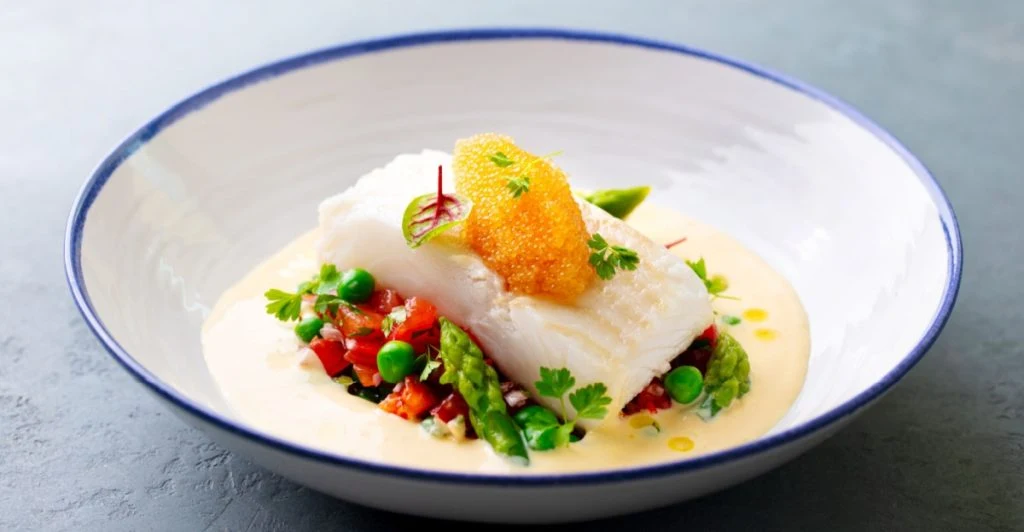
The Mediterranean diet emphasizes vegetables, fruits, beans, legumes, olive oil, nuts and fish. It limits red meat and dairy products, while allowing moderate alcohol consumption. The approach focuses on whole, minimally processed foods and healthy fats.


Who participated in the research

Researchers followed more than 105,000 women enrolled in the California Teachers Study, which began in 1995. Participants included public school teachers, administrators and retirement system members aged 38 to 67 at the start of the study.
How diet adherence was measured

At baseline, participants completed detailed food questionnaires covering eating habits and portion sizes from the previous year. Researchers then calculated overall nutrient intake and assigned each woman a Mediterranean diet score using a 9-point system.
Scoring the mediterranean lifestyle

Points were awarded for higher intake of vegetables, fruits, legumes, cereals, olive oil and fish. Lower consumption of meat and dairy also increased scores, along with moderate alcohol intake. Higher scores reflected closer adherence to the diet.
Long-term follow-up reveals clear benefits

After an average follow-up of 20.5 years, women who closely followed the Mediterranean diet showed a significantly lower risk of stroke. Overall, they were 18% less likely to experience any type of stroke.
Reduced risk across stroke types

The study found a 16% lower risk of ischemic stroke, which occurs when blood flow to the brain is blocked. Even more striking was a 25% reduction in hemorrhagic stroke, caused by bleeding in the brain.
Experts say results reinforce past research

“We’ve known for a long time that this is a healthier type of diet,” said preventive cardiologist Dr. Andrew Freeman, who was not involved in the study. He noted that similar benefits were seen in earlier research, including the well-known PREDIMED trial.
A surprising finding for hemorrhagic stroke

Senior study author Dr. Sophia Wang said the reduced risk of hemorrhagic stroke was unexpected. Lifestyle factors are already known to influence ischemic stroke, but dietary protection against hemorrhagic stroke is a newer insight.
Why the findings matter for aging women

“Stroke risk for women increases when they reach menopause and is elevated afterward,” Wang said. “Our study shows that there are things one can do to minimize that risk, such as adhering to a healthy diet such as the Mediterranean diet.”
Limitations and the bigger picture

Researchers acknowledged they did not track dietary changes over time, including olive oil intake. Still, experts say the findings add to strong existing evidence. “It is important to say we continue to get repeat studies showing that a predominantly plant-based diet seems to improve all sorts of outcomes,” Freeman said.



