Edith Hejberg
Dr. Ellen Foxman vividly remembers watching her young son struggle to breathe during a severe asthma attack. Like many parents, she was terrified


A runny nose and a mild sniffle for one person can mean days of misery for another. The same cold virus, often rhinovirus, can trigger dramatically different reactions in different bodies. Scientists have long wondered why such a common infection hits people so unevenly. New research suggests the answer may start right inside the nose.
A frightening moment sparks a scientific question

Dr. Ellen Foxman vividly remembers watching her young son struggle to breathe during a severe asthma attack. Like many parents, she was terrified. As a scientist, the experience stayed with her for another reason: it raised questions about how viral infections interact with asthma and the immune system.
Rhinovirus and asthma collide

Foxman knew that rhinovirus is the most frequent cause of the common cold. She also knew it plays a dangerous role for people with asthma. “In fact, rhinovirus infection is the most common trigger of asthma attacks,” said Foxman, an associate professor at Yale School of Medicine.
Why the same virus behaves so differently
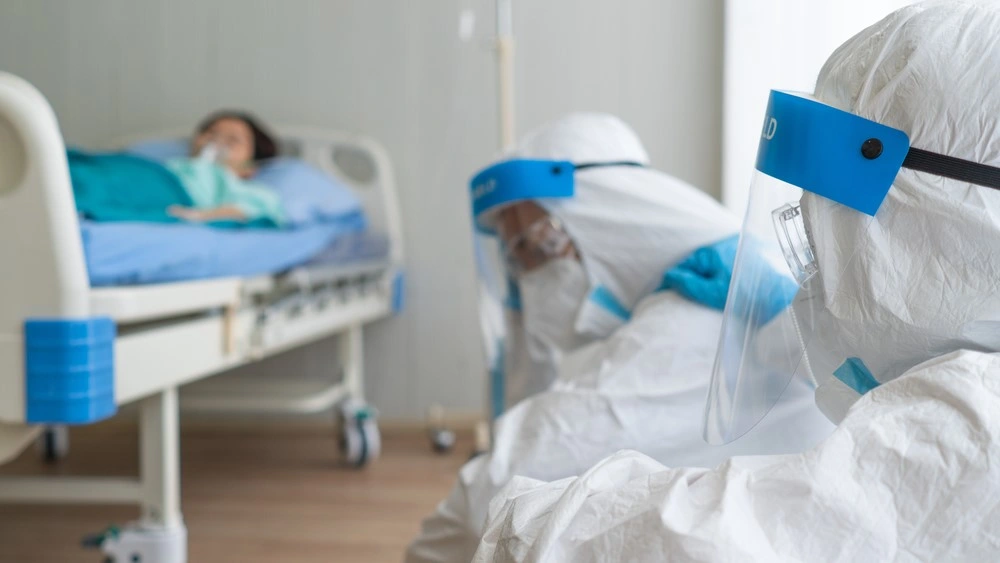
What puzzled Foxman most was the contrast. Many people infected with rhinovirus barely notice it. Others experience wheezing, heavy mucus, or even life-threatening breathing problems. “It’s a really interesting virus,” she said, because its effects can range from invisible to severe.


The nose as the first line of defense

Foxman and her colleagues focused on nasal cells, the cells lining the inside of the nose. These cells are among the first to encounter rhinovirus. How they react in the early hours of infection may determine whether the virus stays contained or spreads widely.
The role of interferons

A key discovery involved interferons, proteins that help cells fight viruses. When nasal cells launch a fast interferon response, the virus struggles to gain a foothold. Interferons essentially act as an early warning system, limiting how far and how fast the infection can spread.
Growing a nose in the lab

To study this process, researchers grew nasal cells from healthy adults in the lab. Over several weeks, the cells formed a complex tissue that closely resembled the lining of a real human nose. This allowed scientists to observe viral infections in a controlled, realistic setting.
Watching thousands of cells at once
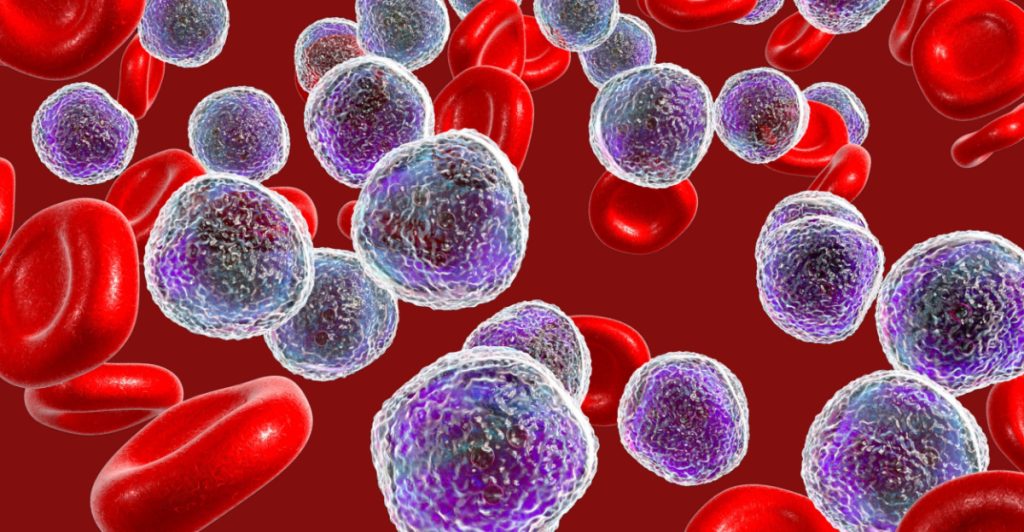
The team infected these lab-grown nasal tissues with rhinovirus. Using advanced techniques, they tracked how thousands of cells responded simultaneously. They examined not only infected cells but also nearby “bystander” cells to see how immune signals spread.
When the response is fast

When interferon responses kicked in quickly, fewer than 2% of nasal cells became infected. In a real person, this could mean no symptoms at all or just a mild cold. The virus was effectively boxed in before it could do much damage.
When defenses are blocked

The picture changed dramatically when researchers blocked the initial interferon response. In that case, about 30% of cells became infected. The tissues also produced large amounts of mucus and showed signs of inflammation, matching what people experience during a miserable cold.
The body’s response matters most
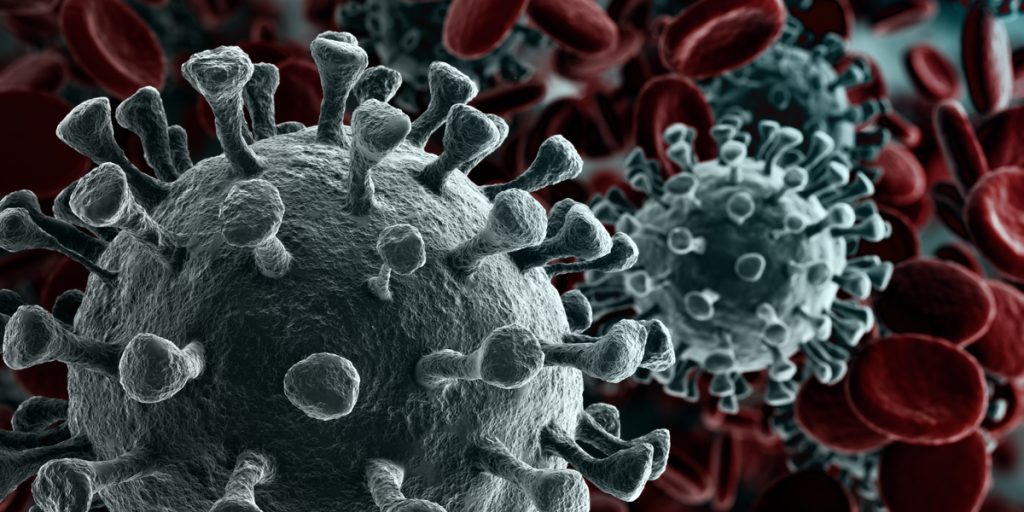
“It’s the body’s response that really determines the disease the virus causes,” Foxman said. The virus itself does not necessarily change. Instead, how quickly and strongly the immune system reacts appears to shape the outcome.
Unanswered questions remain

Researchers still do not know why some people have weaker or delayed interferon responses. Genetics, underlying conditions like asthma, or other environmental factors could play a role. More studies in real people will be needed to uncover these differences.
Beyond interferon alone

Other experts caution that interferon is only part of the story. Factors such as bacteria in the airways, prior immunity, and chronic illnesses may also influence severity. As with many respiratory viruses, the same infection can lead to very different outcomes from one person to the next.