
 Edith Hejberg

“We can see that some groundwork has been done, but for now the positions differ, because the negotiations were not easy,” he told reporters after the meetings.


The latest round of US-mediated peace talks between Russia and Ukraine wrapped up in Geneva without a major breakthrough.
As the war approaches its fifth year next week, the gap between the two sides remains wide. Despite renewed diplomatic efforts, there was little sign that a comprehensive deal is close.
The second day of negotiations lasted just two hours, underscoring how difficult progress has been.
Zelenskyy: Russia is “trying to drag out” the process

Ukraine’s president, Volodymyr Zelenskyy, accused Moscow of deliberately slowing the talks. He said no agreement had been reached on the most contentious issues.


“We can see that some groundwork has been done, but for now the positions differ, because the negotiations were not easy,” he told reporters after the meetings.
His remarks reflected Kyiv’s frustration as discussions stalled in Switzerland.
Key disputes remain unresolved
Among the toughest sticking points are the status of Russian-occupied territories in eastern Ukraine and the future of the Zaporizhzhia nuclear power plant.
The plant, Europe’s largest, remains under Moscow’s control. Its fate has become a symbol of the broader struggle over sovereignty and security.
For Kyiv, these questions go to the heart of any lasting settlement.
Military talks described as “constructive”

Zelenskyy said negotiations were split into military and political tracks. While political issues proved thorny, he described the military channel as “constructive”.
“The military understand how to monitor a ceasefire and the end of the war if there is political will,” he said.
That comment suggested technical groundwork is possible, if leaders can find common ground.
Trump’s promise meets reality
The lack of progress casts a shadow over Donald Trump’s pledge to end the war on the first day of his presidency.
The Geneva meetings highlight just how complex and entrenched the conflict has become. Even with Washington mediating, the distance between Kyiv and Moscow remains significant.
For now, diplomacy appears to be moving slowly.
Russia calls talks “difficult but businesslike”
Russia’s chief negotiator, Vladimir Medinsky, offered a measured assessment as he left Geneva.
He described the discussions as “difficult but businesslike” and confirmed that further rounds are planned.
Medinsky, known for his ultra-conservative stance and unpopular reputation in Ukraine, signalled that negotiations will continue despite the impasse.
The battle over eastern territory
The fate of Ukrainian-held areas in the east remains a central obstacle. Moscow has demanded that Kyiv fully cede these territories as a precondition for halting the fighting.
Ukraine has firmly rejected those terms. However, Zelenskyy has indicated he may consider alternative arrangements.
These could include the withdrawal of Ukrainian troops from certain areas and the creation of a demilitarised zone.
Public opinion weighs heavily in Kyiv
In an interview with Axios, Zelenskyy made clear that any unilateral withdrawal from the Donbas would be politically explosive at home.
“Emotionally, people will never forgive this. Never. They will not forgive … me, they will not forgive [the US],” he said.
The comment underscored the intense domestic pressure shaping Ukraine’s negotiating stance.
Security guarantees at the centre of debate

Another major unresolved issue is security guarantees. Zelenskyy has repeatedly insisted that any territorial compromise must come only after firm commitments from western allies, including the United States.
For Kyiv, security assurances are not a secondary matter but a prerequisite for peace.
Without them, Ukrainian leaders fear any agreement could leave the country vulnerable to future aggression.
A clash over sequencing
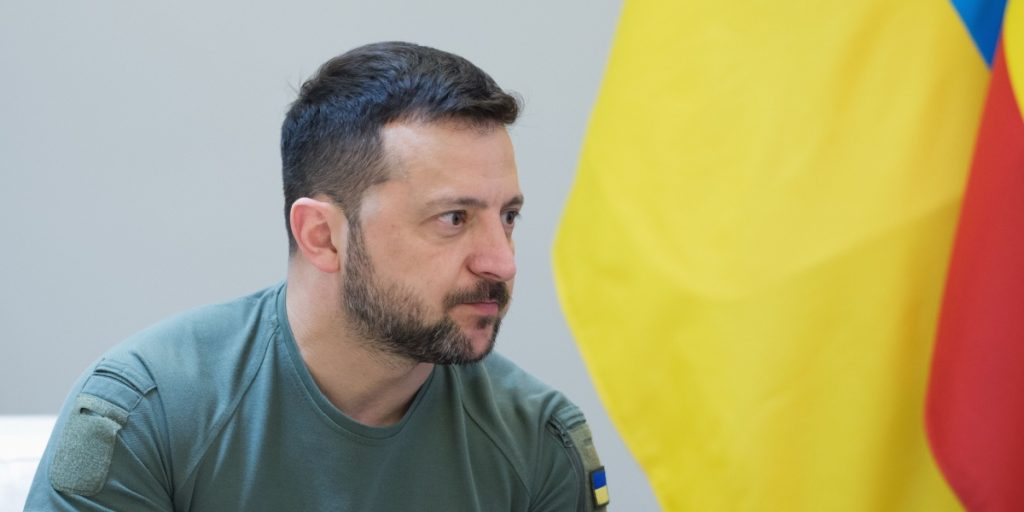
The Trump administration, eager for a diplomatic win, has pushed for territorial concessions first, with security guarantees to follow.
Zelenskyy publicly challenged that order earlier this week on X.
“Our American friends, they are preparing security guarantees. But they said – first this swap of territories, or something like that, and then security guarantees. I think – first, security guarantees. Second, we will not give up our territories because we are ready for compromise.”
Pressure on the Kremlin, but not enough

European leaders believe Vladimir Putin is unlikely to compromise unless battlefield setbacks or domestic strain force his hand.
Western intelligence assessments suggest Russia is facing growing difficulties recruiting troops. Moscow’s territorial gains this year have been limited.
Ukraine, meanwhile, has carried out several localised counteroffensives in the southern Zaporizhzhia region.
Russia’s slowing economy
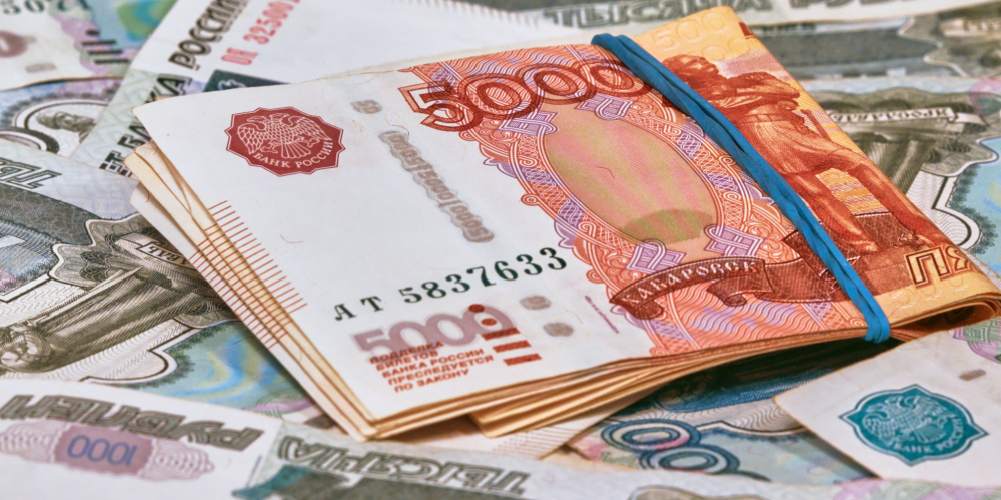
Russia’s economy has slowed to near-zero growth, adding to long-term pressure on the Kremlin.
Still, officials and analysts say the strain is not yet severe enough to alter Moscow’s course.
Financial resilience and state control continue to cushion the impact of sanctions and war spending.
“The war will continue”

Tatiana Stanovaya, a Russian political analyst, offered a stark assessment of the outlook.
“As long as Putin is in power, Russia isn’t paralysed by widespread protests, and there is at least some money left in the budget for weapons, the war will continue.”
Her words reflect the grim reality facing negotiators as the conflict enters its fifth year.



