
 Asger Risom
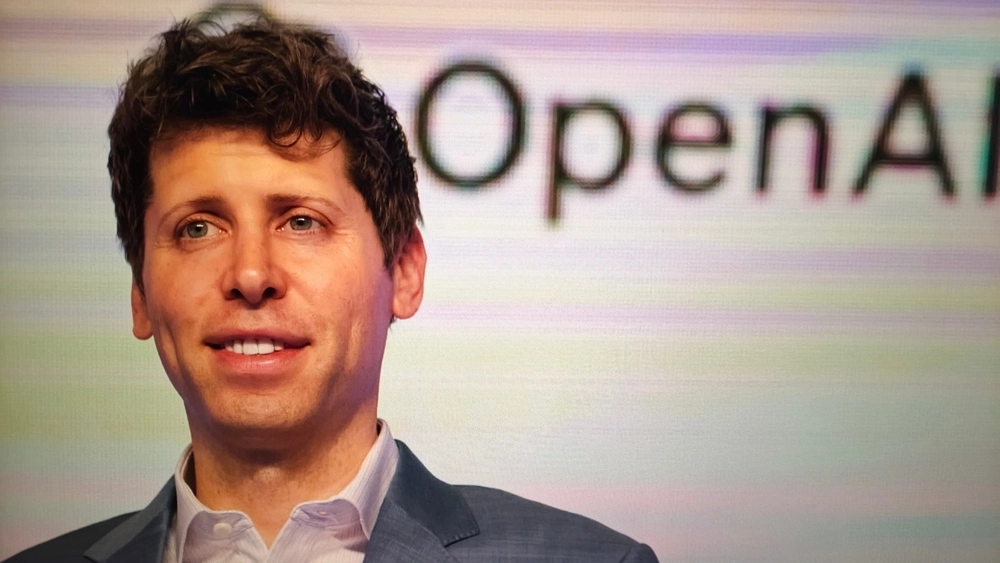
In a late-night AMA on X, Sam Altman defended OpenAI’s newly finalized Pentagon deal, admitting it was “rushed” but arguing AI can strengthen U.S. cyber defense and biosecurity. He also warned that refusing to work with the government could put both industry competition and national security at risk.
Just hours after announcing that OpenAI had finalized a deal with the U.S. Department of Defense, CEO Sam Altman took to X on Saturday night and invited users to “ask me anything.”
The timing was notable. The agreement followed reports that rival AI lab Anthropic declined contract terms that would have allowed its frontier model to be used in areas such as mass domestic surveillance and fully autonomous weapons.
Altman’s impromptu Q&A offered a rare, unfiltered look at how OpenAI is framing its decision — and how it views the broader battle between Silicon Valley and Washington.
Here are five key takeaways.


1. Altman admits the deal was “rushed” — and says the optics aren’t great
Altman acknowledged that OpenAI moved quickly to finalize the Pentagon agreement.
He described the deal as “rushed” and said it was done in part as an attempt to “de-escalate the situation” between the Department of Defense and AI companies.
He also conceded that, publicly, the move doesn’t necessarily look good.
“If we are right and this does lead to a de-escalation between the DoD and the industry, we will look like geniuses,” Altman wrote. “If not, we will continue to be characterized as rushed and uncareful.”
In other words, OpenAI is betting that stepping in now will stabilize tensions between government and AI labs — rather than inflame them.
2. OpenAI was more comfortable with the contract language than Anthropic
When asked why the Pentagon ultimately struck a deal with OpenAI instead of Anthropic, Altman declined to speak directly for his competitor but suggested negotiations may have broken down under pressure.
He said OpenAI and the Department of Defense ultimately “got comfortable with the contractual language,” while hinting that Anthropic may have sought more operational control over how its models would be used.
That difference appears to have been decisive.
Anthropic has positioned itself as more restrictive regarding military and surveillance applications. OpenAI, by contrast, appears to have decided the negotiated terms were acceptable — at least under current safeguards.
3. OpenAI has “three redlines” — but they aren’t permanent
Altman said OpenAI operates with three internal “redlines” governing what it will and won’t allow its technology to be used for.
However, he emphasized that those boundaries are not fixed forever.
As the technology evolves — and as new risks emerge — OpenAI could revise or expand those limits.
At the same time, Altman made a broader philosophical argument: he does not believe private companies should ultimately decide what is ethical in matters of national security.
“We are not elected,” he wrote. “We have a democratic process where we do elect our leaders.”
He suggested that while companies can make decisions about how consumer tools behave, questions involving nuclear threats or national defense should not rest solely with corporate executives.
4. Altman warns Anthropic’s stance could be “dangerous”
Altman said OpenAI had been in discussions with the Department of Defense for months on non-classified projects before talks accelerated into classified work.
He characterized the Pentagon as flexible and stressed that OpenAI wants to support what he described as the department’s “very important mission.”
More pointedly, he suggested Anthropic’s current path could be risky — not just for that company, but for competition and the U.S. more broadly.
“Our industry tells them, ‘China is rushing ahead. You are very behind,’” Altman wrote, paraphrasing the message AI labs send to Washington. “And then we say, ‘But we won’t help you.’”
He argued that refusing engagement while warning of geopolitical risk creates an untenable contradiction.
5. Altman says AI could strengthen cyber defense and biosecurity
Altman framed the Pentagon partnership as having defensive benefits.
He highlighted two areas where he believes AI could play a crucial role:
- Cybersecurity, particularly defending against large-scale cyberattacks that could target critical infrastructure like the U.S. electrical grid.
- Biosecurity, including detecting and responding to novel pandemic threats.
“I do not think we are currently set up well enough to detect and respond to a novel pandemic threat,” Altman wrote.
In this framing, AI becomes less about weapons systems and more about resilience — protecting infrastructure and public health.
A broader shift in the AI-government relationship
Altman’s AMA underscores a growing reality: frontier AI development is increasingly entangled with national security.
Where some companies draw hard lines, OpenAI appears to be choosing engagement — with negotiated safeguards — over refusal.
Whether that decision stabilizes the relationship between AI labs and the U.S. government, or deepens concerns about military AI deployment, remains to be seen.
Sources: Sam Altman posts on X; public statements regarding OpenAI–Department of Defense agreement



