
 Jens Asbjørn Bøgen
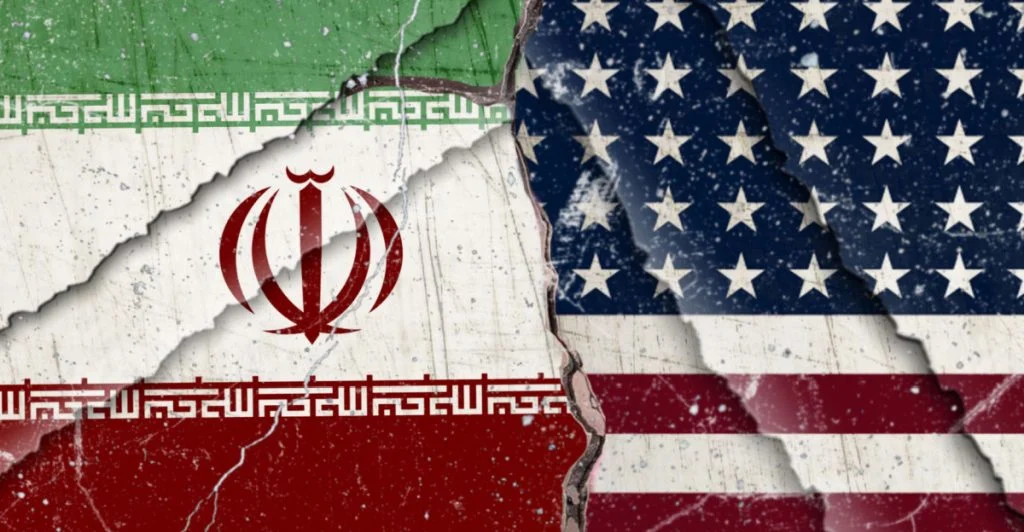
In the early 1970’s, the US even asked Iran to help the US protect security interests in the Middle East.


For decades, the US and Iran have been enemies.
In 2002, then-US president, George W Bush, even included Iran in the “Axis of Evil” alongside Iraq and North Korea.
Considering the harsh rhetoric between the two nations, it’s hard to imagine them being friendly with each other – but they were actually allies once.
So what happened?


Key ally for decades
In the 20th century, the United States and Iran maintained a close strategic partnership, especially during the Cold War.
Under the U.S. “Atoms for Peace” program and other agreements, Washington helped Iran develop civilian nuclear technology.
Iran’s pro-Western monarchy, led by Shah Mohammad Reza Pahlavi, was one of America’s key allies in the Middle East through the 1950s, 60s and early 70s.
This alliance was rooted in shared interests: opposing Soviet influence, stabilising oil markets and mutual security concerns in a tense global landscape.
In 1972, Richard Nixon even visited Iran to ask for help protecting US security interests in the Middle East.
But verything changed in 1979.
Quake of revolution
A popular revolution toppled the shah and brought Ayatollah Ruhollah Khomeini’s Islamic Republic to power.
The new regime rejected Western influence and saw the United States as a symbol of imperialism.
That same year, Iranian students seized the U.S. embassy in Tehran and held diplomats hostage for 444 days — a crisis that destroyed diplomatic ties and seared hostility into both societies.
Decades of hostility
In the years after the revolution, the two countries had no formal diplomatic relations, and Washington imposed extensive sanctions.
Tensions grew further when the U.S. backed Iraq in its war against Iran in the 1980s and when American policy makers labelled Iran a sponsor of terrorism.
In the early 21st century, Iran’s nuclear program became a central point of friction.
President Barack Obama secured a 2015 deal — the Joint Comprehensive Plan of Action — to curb Iran’s nuclear activities, but President Donald Trump withdrew from it in 2018 and reimposed harsh sanctions.
This deepened mistrust and fuelled fears inside Tehran and Washington.
Cooperation turned to war
Today’s conflict is the latest chapter in a long, fractious relationship.
What began as cooperation during the Cold War collapsed into ideological enmity after 1979, and successive disputes over nuclear programs, sanctions and regional influence have pushed the two nations repeatedly to the brink.
Sources: Council on Foreign Relations, congress.gov, NPR, History



