
 Edith Hejberg

The war involving Iran has disrupted the flow of 20 million barrels of oil from across the Middle East almost overnight.


When Russia invaded Ukraine in 2022, oil prices surged by 50% within weeks, climbing above $100 a barrel. Gasoline jumped from about $3.50 to $5 a gallon in short order.
That conflict threatened roughly 3 million barrels a day of Russian crude. Markets reacted fast and sharply.
This time, a new war has broken out in the Middle East, but the market response has been far more restrained.
A much bigger supply at risk
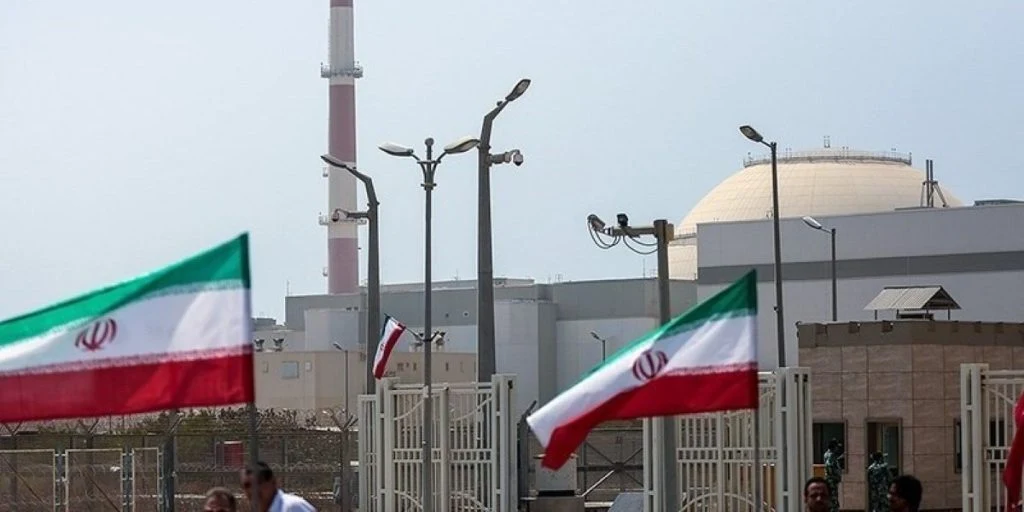
The war involving Iran has disrupted the flow of 20 million barrels of oil from across the Middle East almost overnight.


That’s a far larger volume than what was at stake in the early days of the Ukraine war.
Yet despite the scale of the disruption, oil prices have risen only modestly so far.
Prices move, but not dramatically

Oil climbed 6% on Monday. On Tuesday, it rose another 7% to around $76 a barrel.
Gas prices increased by 11 cents to $3.11 a gallon.
Those gains are noticeable, but nowhere near the spike that sent US drivers scrambling four years ago.
What’s different this time

One key distinction: Russia launched the war in Ukraine. The current conflict was initiated by the United States.
That means Washington ultimately controls how long its military action continues.
Political pressure at home could also limit the timeline, especially with voters already frustrated by high living costs ahead of the midterms.
An uncertain endgame
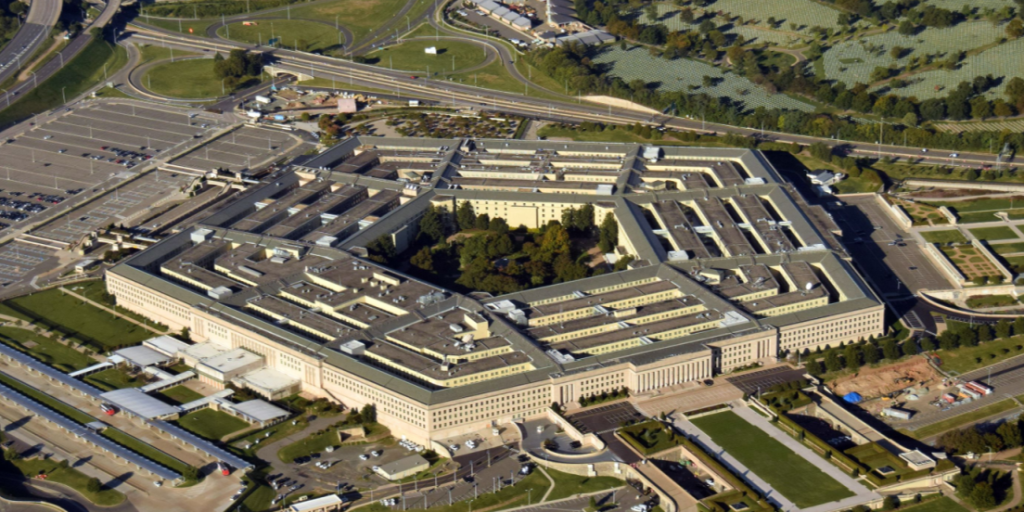
“The specific US endgame remains unclear,” Ed Mills, Washington policy analyst at Raymond James, wrote in a note to clients on Sunday night.
That uncertainty cuts both ways. President Donald Trump can “declare victory” whenever he wants, Mills added.
Early signals from the Pentagon also suggested this may not become a prolonged conflict.
“This is not Iraq”
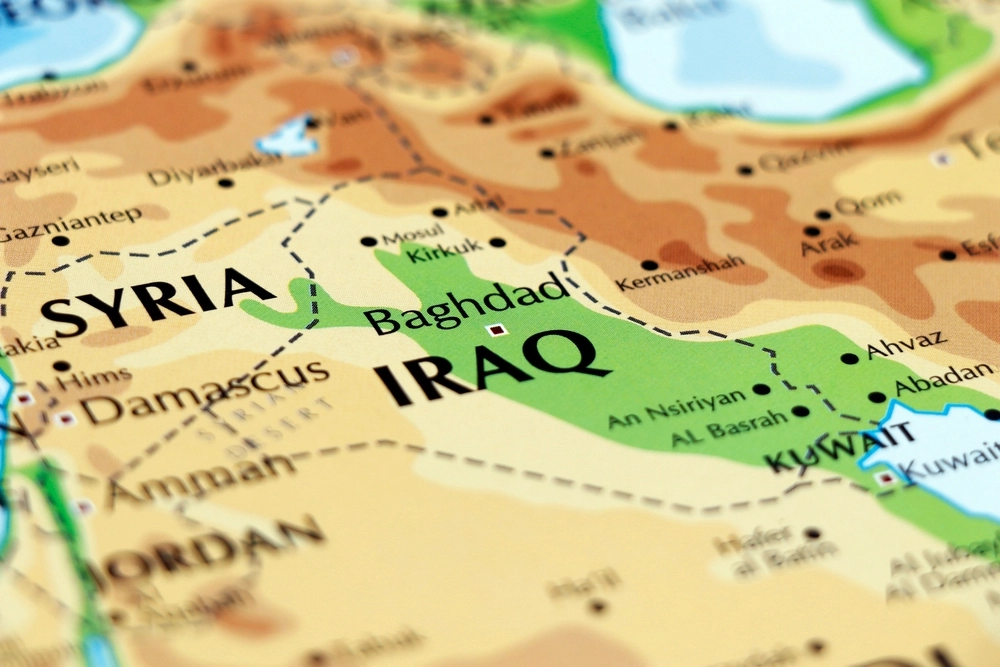
US Secretary of Defense Pete Hegseth appeared to calm markets with remarks on Monday.
“This is not Iraq. This is not endless,” Hegseth said from the Pentagon. “This is the opposite.”
Those comments helped send oil futures down from earlier highs, reinforcing the view that the war could be limited in duration.
A market flush with crude
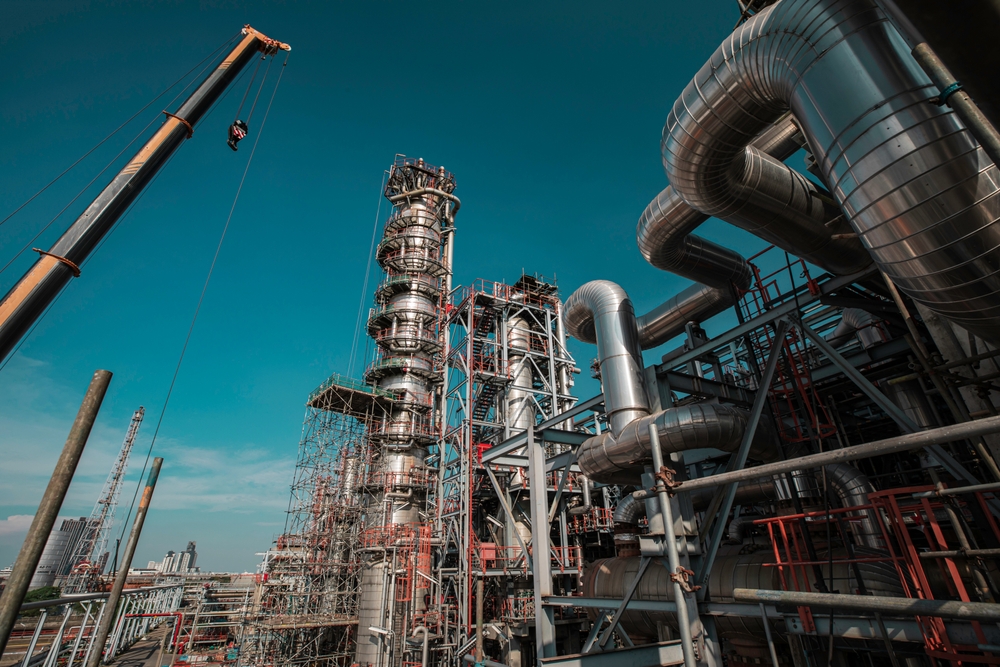
Another major difference from 2022: supply conditions.
Back then, demand was surging as the global economy rebounded from the pandemic.
Today, production has been strong, especially from OPEC+ nations, which ramped up output through 2025 and contributed to a supply glut.
More oil than demand

Until recently, West Texas Intermediate crude traded safely below $60 a barrel.
“There’s plenty of crude oil out there,” said Tom Kloza, an independent oil analyst and advisor to Gulf Oil. “There’s more crude oil… than there is demand for it.”
That cushion has helped soften the immediate price shock.
The risks may be greater
Still, analysts warn that the situation could deteriorate quickly.
Iran produces less oil than Russia. But the conflict has already spilled into neighboring countries, including key OPEC members Kuwait and Qatar, as well as Saudi Arabia, the world’s largest oil exporter.
That broad regional exposure raises the stakes considerably.
The chokepoint that matters

Tanker traffic through the Strait of Hormuz, the narrow passage off Iran’s southern coast, has nearly stopped.
Roughly one in five barrels of the world’s oil passes through that channel.
According to S&P, only five oil tankers transited the strait on Sunday, down from an average of 60 per day.
A potential historic disruption
“The war between the United States and Israel against Iran has the potential to be the largest oil supply disruption in history if oil flows via the narrow Strait of Hormuz remain low or come to a halt,” Jim Burkhard, head of crude oil research at S&P Global Energy, wrote in a report on Monday.
“When Russia invaded Ukraine, crude oil prices rose by about 50% in a few weeks,” said Bob McNally, president of Rapidan Energy Group. “We have way more oil at risk now.”
For now, markets are betting that worst-case scenarios won’t materialize.
Fewer tools in reserve
In 2022, the US released a record 180 million barrels from the Strategic Petroleum Reserve to calm markets.
This time, a source familiar with White House plans said tapping the SPR is not under consideration.
America’s emergency reserves remain sizable, but they are about 30% smaller than when Russia invaded Ukraine.
Stopgaps and a warning

White House spokesperson Karoline Leavitt said, “The Trump Administration’s policies have led to the highest production of U.S. oil ever with even more oil from our newfound market and agreements with Venezuela,” she said.“The Departments of Energy and Treasury will continue to monitor oil markets and do everything possible to keep prices stable.”
“There are buffers, strategic reserves, rerouted cargoes, elevated floating inventories, but those are stopgaps,” said Angie Gildea, KPMG’s US energy strategy leader. The key question, she noted, is duration.
McNally offered a final caution: “Over the past seven years there have been a series of ‘boy-who-cries-wolf’ moments for the oil market. Geopolitical scares that faded and allowed oil prices to recede. Remember, the story didn’t end up well for the boy,” McNally said. “If Iran stays in the fight, this is going to be an authentic energy crisis the likes of which we haven’t seen in modern times. This could be the big one.”



