
 Edith Hejberg
Brent crude saw an even sharper rise, soaring nearly nine percent to $79.31 per barrel. That marks its highest level in more than a year.

American drivers are feeling the impact of rising tensions in the Middle East, with gas prices now sitting above $3 a gallon. The spike follows escalating conflict involving the US, Israel and Iran.
Analysts warn that the upward trend may not stop there. As geopolitical uncertainty grows, fuel costs are expected to climb further in the coming days.
Oil markets react sharply
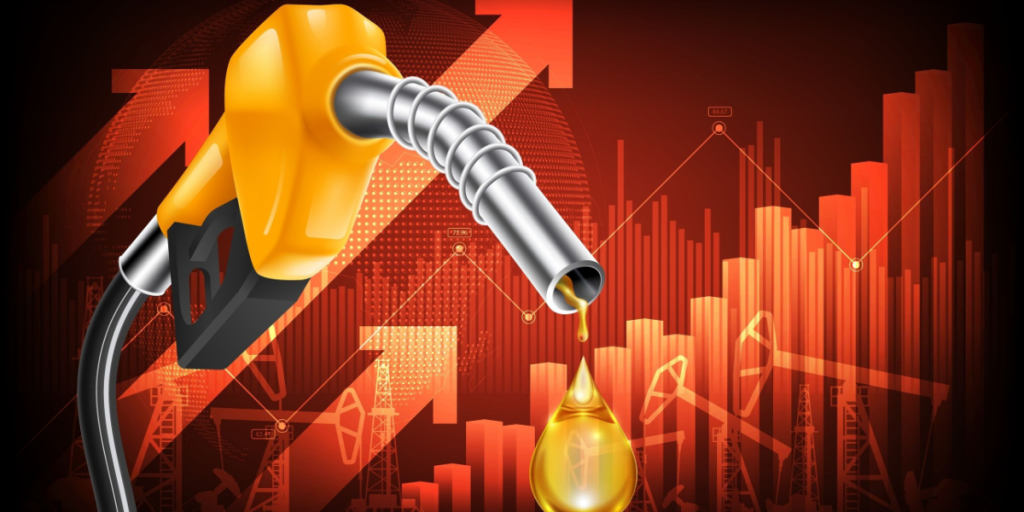
Oil had already been ticking upward for four consecutive weeks. But on Monday (March 2), US West Texas Intermediate crude jumped more than six percent to $71.19 per barrel, according to FactSet data cited by CBS News.
Brent crude saw an even sharper rise, soaring nearly nine percent to $79.31 per barrel. That marks its highest level in more than a year.


Drivers warned to brace for more pain

Industry experts say consumers should prepare for further increases at the pump. Some stations could raise prices by as much as 30 cents per gallon by the end of the week.
GasBuddy petroleum analyst Patrick De Haan said: “In the week ahead, gasoline prices are likely to face heightened upward pressure as seasonal trends continue and markets navigate this evolving geopolitical landscape.
“Most drivers should prepare for gradual increases this week. Low-priced stations will likely move first and more visibly.”
Key price thresholds approaching

De Haan also shared fresh figures on social media platform X, formerly Twitter.
He wrote: “The most commonly encountered gas price today in the US is $2.99/gal, while the most common diesel price is $3.99/gal.
“We’ll likely see both of those rolling over $3/$4 respectively quite soon.”
Strikes trigger wider escalation
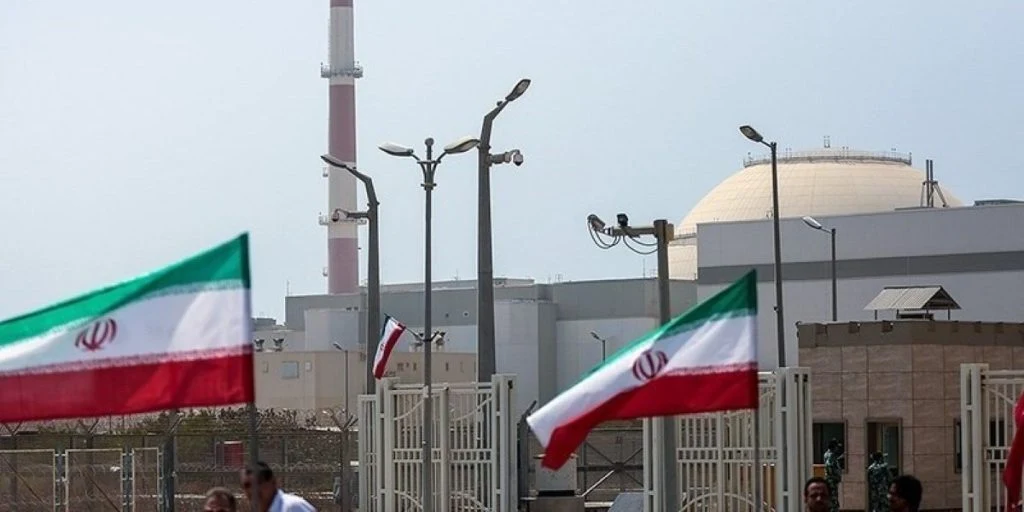
The price surge follows a weekend of intensified military action. On February 28, Donald Trump’s administration and Israel began a series of strikes against Iran.
The attacks killed the country’s Supreme Leader, Ayatollah Ali Khamenei, prompting swift retaliation.
Iran launches counterattacks
In response, Iran carried out counterstrikes targeting Israel, US military bases in the region, and both military and civilian sites in Arab countries hosting American forces.
The escalation has heightened fears of broader instability across a region that plays a central role in global oil supply.
Roots of a long-running conflict
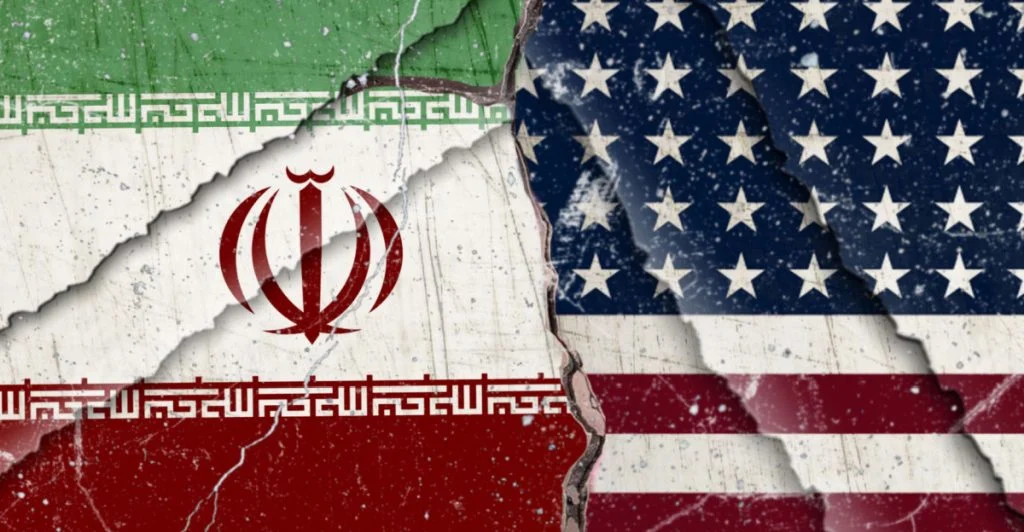
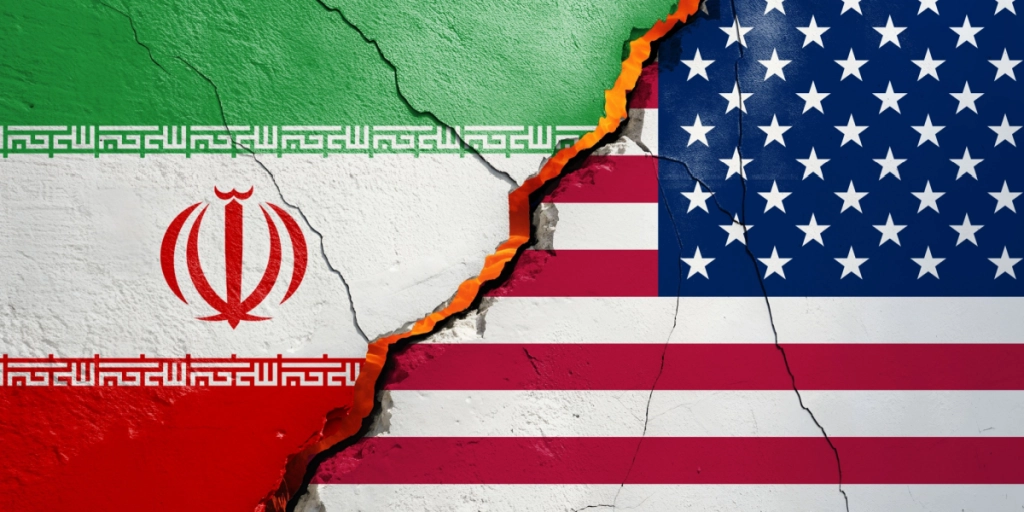
The current crisis is the latest chapter in a decades-long and often turbulent relationship between the US and Iran.
The tensions trace back to 1953, when British and American intelligence services orchestrated Operation Ajax, overthrowing Iran’s nationalist prime minister Mohammad Mosaddegh. The move fueled lasting anti-American sentiment.
Nuclear ambitions and revolution

In 1957, Iran received US backing to develop civilian nuclear energy under President Dwight D. Eisenhower’s ‘Atoms for Peace’ program.
By 1968, both nations had signed the Treaty on the Non-Proliferation of Nuclear Weapons.
But relations unraveled after the 1979 Islamic Revolution. Iranian students stormed the US embassy in Tehran, holding 52 Americans hostage for 444 days.
Sanctions, secret deals and tragedy
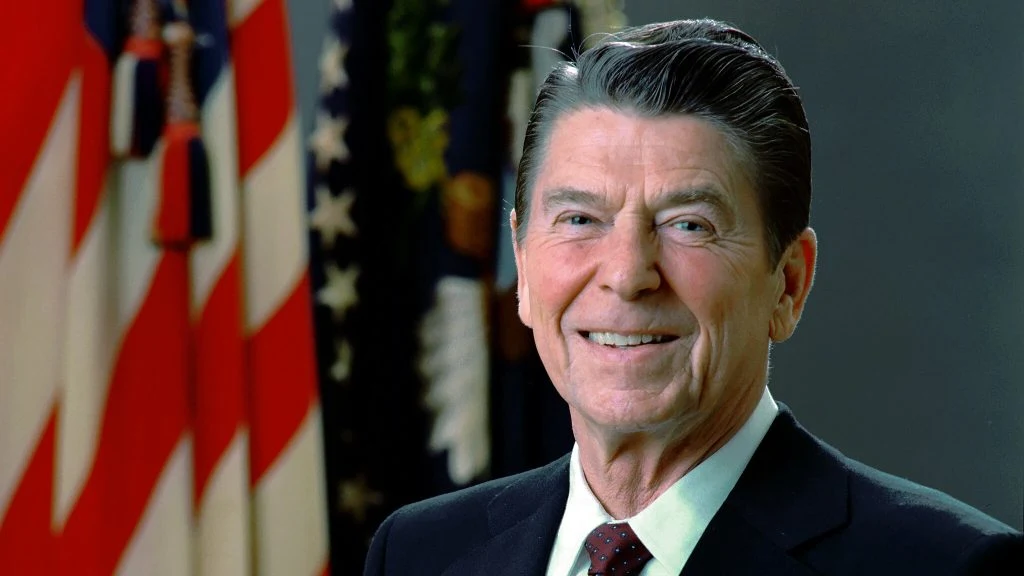
Diplomatic ties were cut in 1980 and have never been restored. During the Iran-Iraq War, the US backed Iraq.
In 1984, Washington labeled Iran a state sponsor of terrorism and imposed sanctions. Yet in 1986, the Reagan administration secretly sold weapons to Iran in a bid to free American hostages in Lebanon.
Two years later, the USS Vincennes mistakenly shot down an Iranian passenger jet, killing all 290 people on board.
Tightening pressure in the 1990s
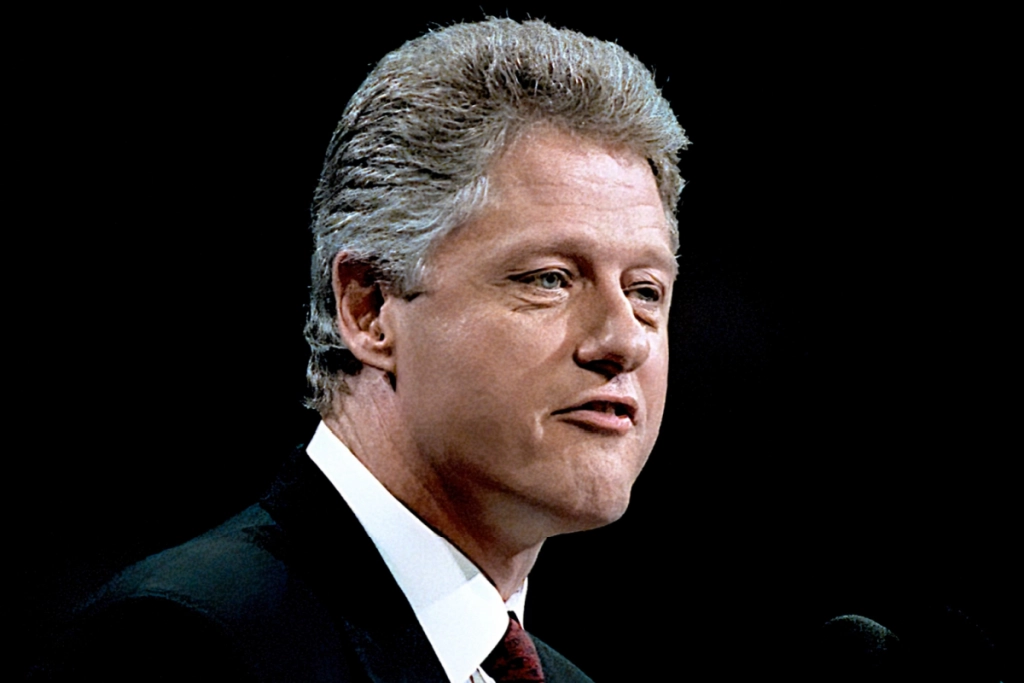
In 1995, President Bill Clinton introduced sweeping sanctions, including an oil embargo and a ban on US trade.
The Iran and Libya Sanctions Act followed in 1996, targeting foreign firms investing heavily in Iran’s oil and gas sector.
Diplomacy and breakdown in the 2000s and 2010s
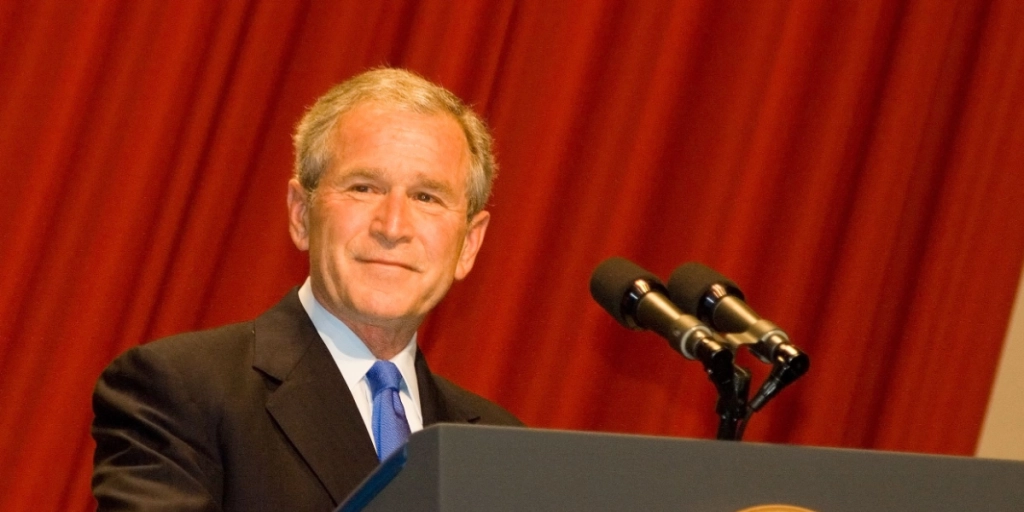
In 2002, President George Bush labeled Iran part of an ‘axis of evil’, sparking outrage.
A decade later, President Barack Obama held the first top-level contact in 30 years, speaking with Iranian President Hassan Rouhani in 2013 to ‘offer a new chapter of engagement on the basis of mutual interests and mutual respect’.
That same year, world powers signed an initial nuclear agreement with Iran, later expanded in 2015 into the Joint Comprehensive Plan of Action.
Maximum pressure returns
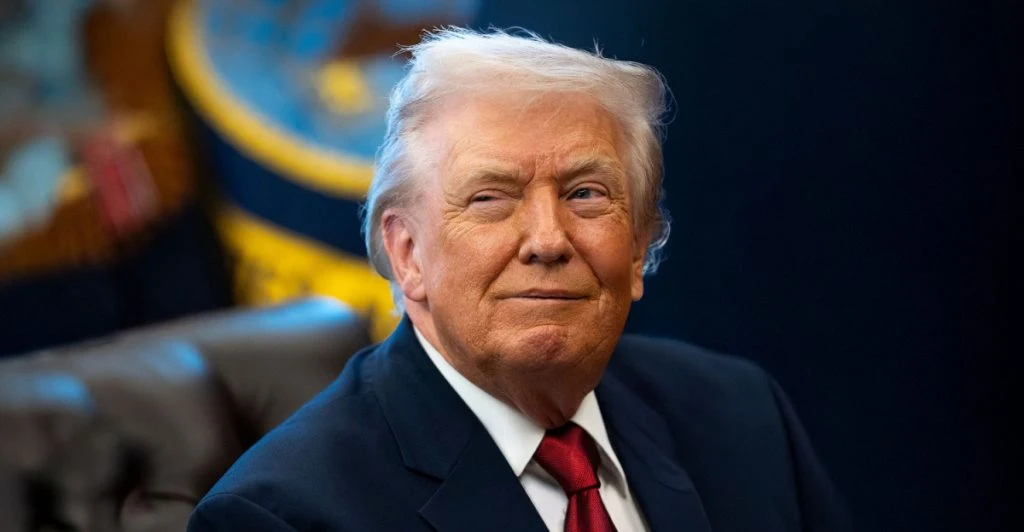
In 2018, President Donald Trump withdrew the US from the nuclear deal, calling it the ‘worst deal ever’. He reinstated sanctions and pursued a ‘maximum pressure’ strategy.
After returning to office, Trump renewed that campaign. In early 2025, the US joined Israel in striking three Iranian nuclear facilities, drawing retaliation.
Unrest and assassination in 2026
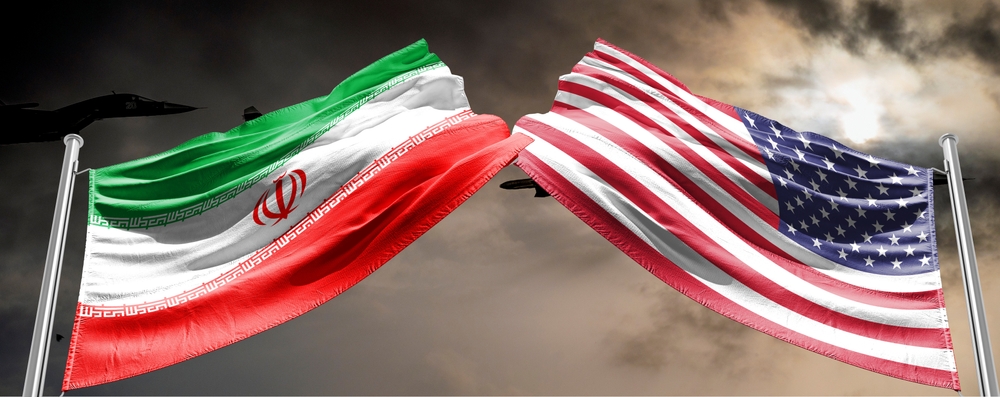
Late 2025 saw widespread anti-government protests in Iran after the collapse of its currency. According to the US-based Human Rights Activist News Agency, more than 6,000 civilians were killed and over 50,000 arrested.
On February 28, 2026, Ali Hosseini Khamenei, aged 86, was killed in a large-scale air attack by the US and Israel.
With tensions at a breaking point, energy markets remain on edge, and American drivers are likely to keep feeling the strain.



