
 Kenneth Glad
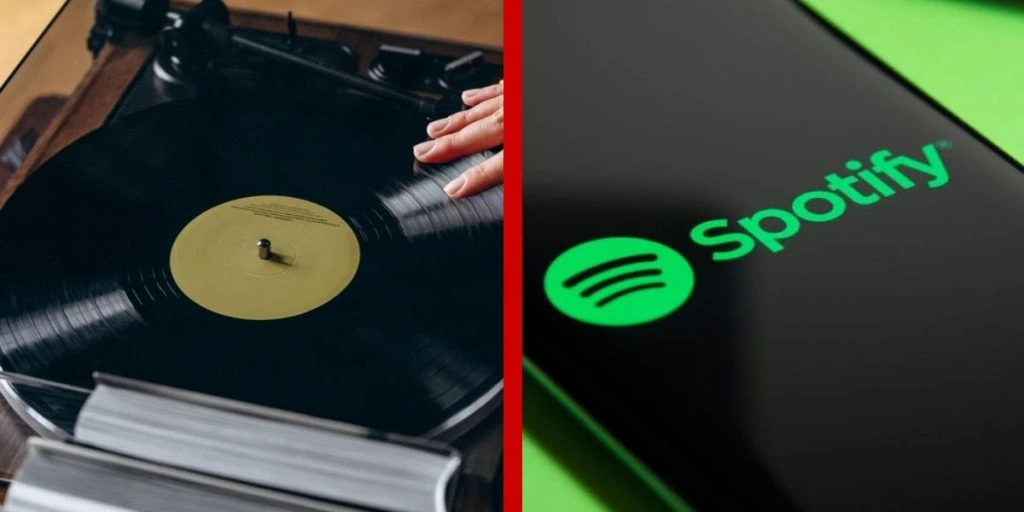
Albums were rarely meant to be shuffled. Today, with streaming shaping how music is consumed, that is often exactly what happens. As listeners jump between tracks in seconds, artists and researchers are beginning to ask what gets lost along the way.


For many musicians, an album is more than a set of songs. It is arranged with intent, where transitions and pacing carry meaning just as much as the lyrics.
Jim Shaw from the British rock band Hot Milk points in interviews with Kerrang! to how carefully those links are built. “Two songs together might share relative keys, a bpm change, or some sort of mesh between the two,” he says.
He adds that smaller moments are often overlooked. “Interlude tracks are kind of missed on people. If you listen to it in isolation, it doesn’t make any sense, but if you listen to it in the whole album it could be a breath from four absolute stonker tracks just smashing the shit out of you, and you have this reset moving into the next phase.”
Break that sequence apart, and the experience changes. The music still works, but not quite in the way it was originally shaped.


Habits and systems
Analysis of streaming behaviour by music data firms such as Chartmetric highlights how frequently listeners skip tracks early, often within the first 30 seconds.
That pattern is closely tied to design. As Professor Abigail Gardner of the University of Gloucestershire explains to Kerrang!, “The platform dictates how you consume.”
Autoplay queues the next track before the current one ends. Algorithms constantly refresh recommendations. Skipping takes a fraction of a second. It is a system built for momentum.
There are upsides. TikTok-driven hits, for example, have helped artists like Steve Lacy and PinkPantheress reach global audiences quickly, often through short clips rather than full albums. Discovery has never been easier.
But albums such as What’s Going On by Marvin Gaye, Blue by Joni Mitchell, Rumours by Fleetwood Mac and To Pimp a Butterfly by Kendrick Lamar were built differently. They rely on progression, not interruption.
Rolling Stone’s 500 Greatest Albums list reflects that approach, ranking records like Disintegration by The Cure and American Idiot by Green Day as complete works rather than collections of standout tracks. That framing highlights why listening in sequence still matters.
Physical formats reinforce the idea. “If you’ve got a hard copy album, you are witness to the band’s broader life,” Gardner says, pointing to artwork and credits as part of the experience.
Listening and the brain
Those listening habits can spill over into how people focus. According to neuroscientist Dr. Julia Jones, also known as Dr. Rock, distraction itself is not new. The difference is intensity.
“From an evolutionary point of view, it was normal and beneficial to have a brain that was distracted by things,” she says, according to Kerrang!
Now, constant input leaves less room for sustained attention. Slower listening can help counter that. “When you’re in a safe environment, like your bedroom, your brain associates it with safety and sleep,” she explains.
There is a broader shift happening here. The more people get used to skipping, the more that becomes the default setting.
Albums push against that habit. Not aggressively, just quietly. They ask you to stay put a little longer than usual.
And maybe that is the point. Not every record has to be heard front to back, but making space for one can encourage focus and offer a rare pause in an otherwise fast-moving listening environment.
Sources: Kerrang!, Rolling Stone, Chartmetric



