
 Edith Hejberg

JD Vance leads the field with strong backing from Republican voters.
According to the poll, he commands 50 percent support.

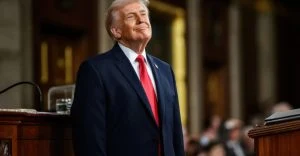
The race to succeed Donald Trump is already taking shape among Republicans.
A new Daily Mail/JL Partners poll offers an early snapshot of voter preferences.
It highlights clear frontrunners while revealing shifting momentum.
Even at this stage, the numbers suggest a defined pecking order.
JD Vance emerges as early favorite

JD Vance leads the field with strong backing from Republican voters.
According to the poll, he commands 50 percent support.
That puts him far ahead of any potential rival in the party.
His position reflects both visibility and alignment with Trump-era policies.
Marco Rubio trails in second place

Marco Rubio sits firmly in second, but at a distance.
Only 17 percent of Republican voters see him as the party’s future nominee.
While still a major figure, the gap between him and Vance is significant.
He remains a contender, but not the frontrunner.
Desantis falls further behind
Ron DeSantis ranks third among Republican voters.
He secures just 9 percent support in the poll.
Once seen as a leading alternative, his numbers now lag behind.
The data suggests his influence may be fading within the party.


Vance’s support begins to slip
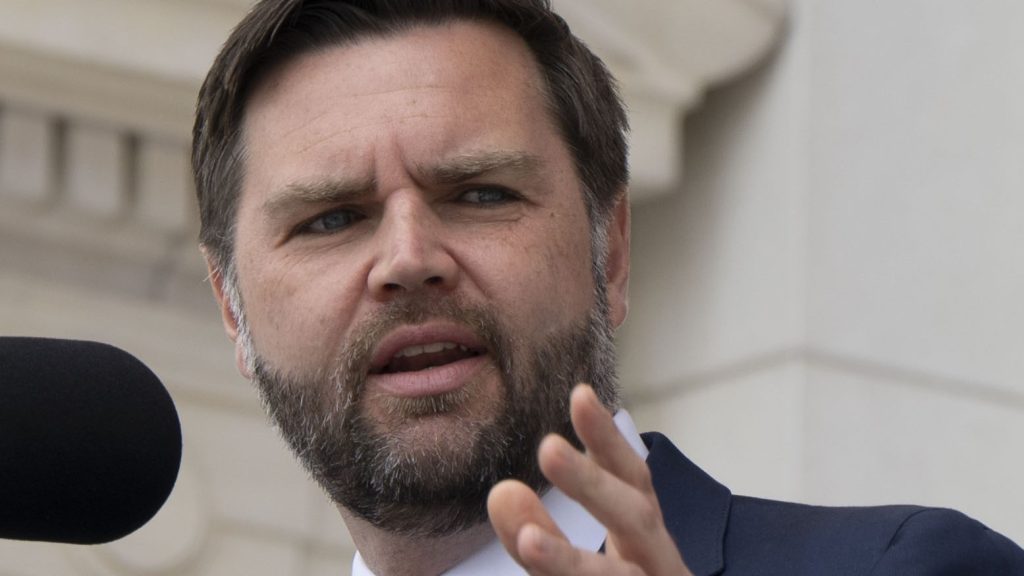
Despite leading the race, Vance has seen a slight drop.
His support fell by 3 percentage points compared to the previous poll.
The dip is modest, but it signals potential vulnerability.
Momentum, even for frontrunners, is not guaranteed.
Rubio gains ground at the same time

While Vance slips, Rubio is moving in the opposite direction.
He gained 3 percentage points in the same poll period.
This shift narrows the gap, even if only slightly.
It hints at a more competitive race ahead.
Middle east conflict shapes opinion

The poll suggests global events may be influencing voters.
US military involvement in the Middle East appears to play a role.
The Trump administration had promised to avoid new conflicts.
However, recent developments have challenged that pledge.
Voters react to broken expectations
Republican voters are sensitive to foreign policy decisions.
Many supported a more restrained approach to global conflicts.
The current situation may be creating frustration.
This could explain changes in candidate support.
A hypothetical face-off tells a different story
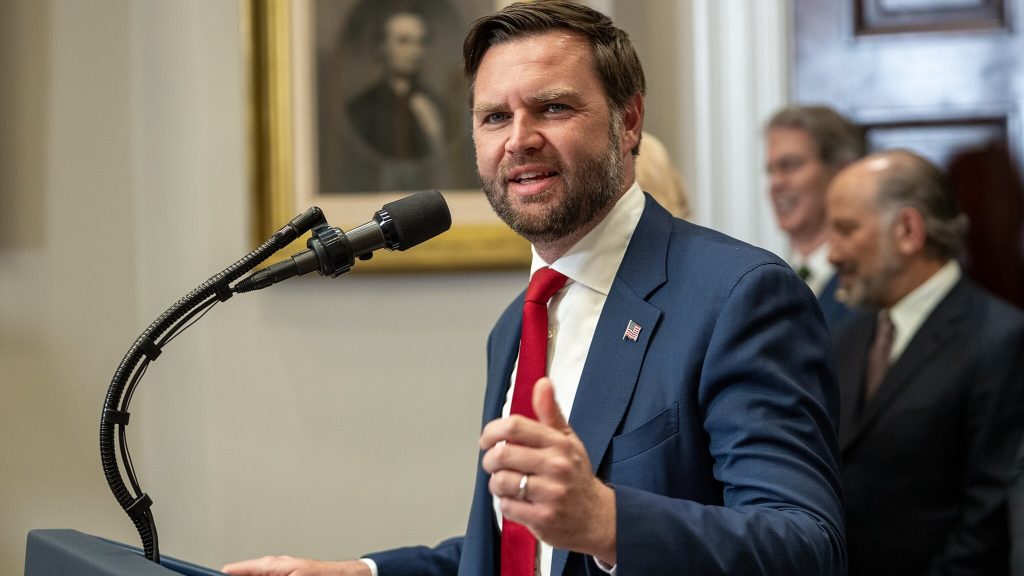
In a direct matchup, the results shift dramatically.
If Vance and Rubio were to compete head-to-head, Rubio leads.
He would win with 62 percent compared to Vance’s 27 percent.
This suggests broader appeal beyond core supporters.
Democrats show a more balanced field
On the Democratic side, the race looks far less defined.
No single candidate dominates the field.
Instead, support is spread across several prominent figures.
This creates a more open and unpredictable contest.
Harris and Newsom lead democrats

Kamala Harris tops the Democratic list with 22 percent support.
Close behind is California Governor Gavin Newsom at 19 percent.
The narrow gap shows a competitive dynamic.
Neither candidate holds a commanding lead.
Other democratic contenders remain in play
Pete Buttigieg ranks third with 11 percent.
Pennsylvania Governor Josh Shapiro follows with 8 percent.
These figures indicate a broader field still taking shape.
Multiple candidates remain viable as the race evolves.
Trump’s approval rating drops sharply
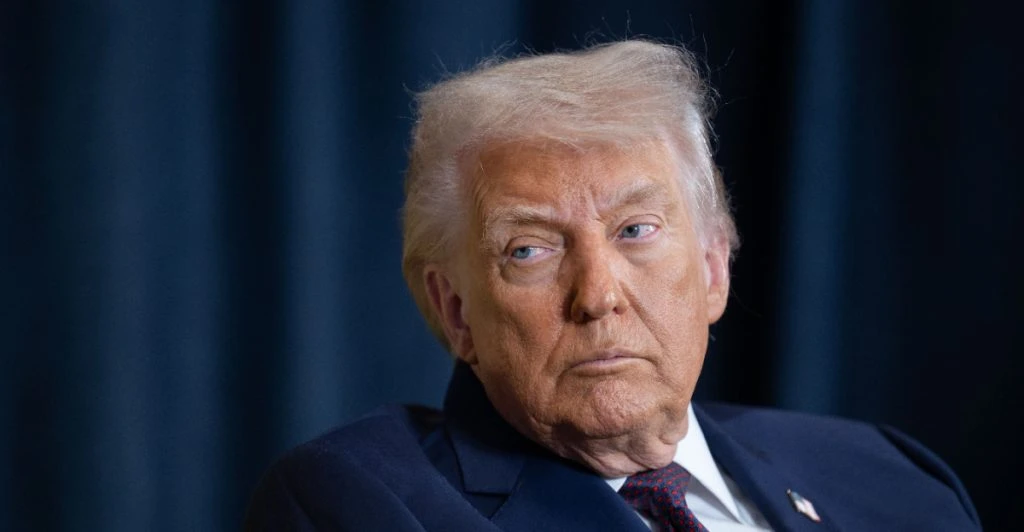
The poll also highlights declining support for Donald Trump.
” The president’s approval rating has hit a nadir of 42 percent, down from 48 percent before Operation Epic Fury began on February 28, ” the British tabloid reports.
Rising fuel prices and conflict in the Persian Gulf are key factors.
The economic and military situation is weighing on public opinion.



