
 Kathrine Frich

When Trump returned to office, he said he could end the war in Ukraine in a single day.
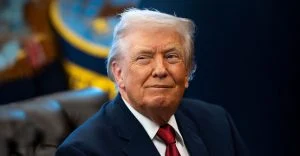

That promise has since proved far more difficult to deliver.
The ongoing conflict has renewed questions about his relationship with Vladimir Putin. It has also brought old Russia-era connections back into focus.
This gallery looks at the key figures around Trump who have been linked, in different ways, to Putin’s Russia.
Donald Trump at the center
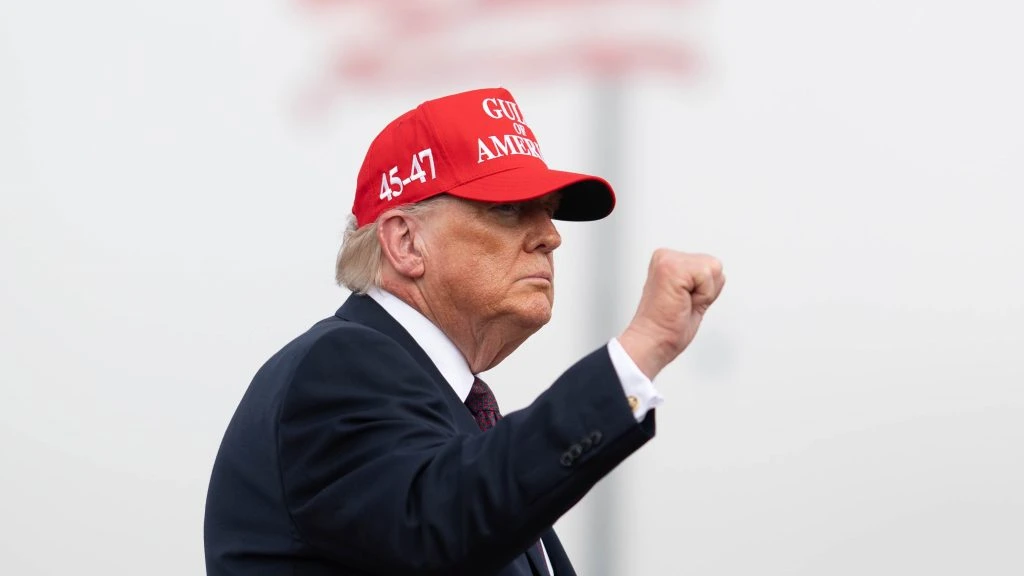
Donald Trump remains the central figure in this network of connections.


The Mueller report noted that he signed a Letter of Intent for Trump Tower Moscow in 2015.
That proposed deal stood out as a major business link to Russia. It tied his private interests to a foreign capital during a key political period.
Because of this, his name anchors any retelling of the story.
Michael Cohen and the Moscow project

Michael Cohen, Trump’s longtime fixer, played a direct role in the Moscow deal.
He later pleaded guilty to lying to Congress about its scope and timing. His statements placed the project closer to the election than first claimed.
That admission made him a key witness in the broader investigation. His name remains closely tied to questions about transparency.
Paul Manafort’s political ties
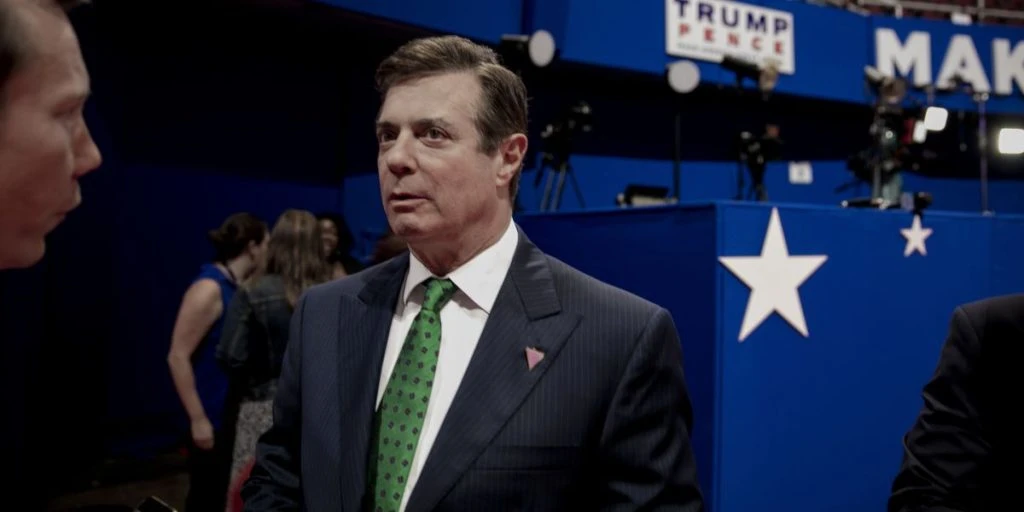
Paul Manafort served as Trump’s campaign chairman during the 2016 race.
Before that, he worked with Ukraine’s pro-Russia Party of Regions.
The DOJ charged him with acting as an unregistered agent for those interests.
His past work raised concerns once he joined the campaign. It placed him at the intersection of politics and foreign influence.
Michael Flynn and transition calls
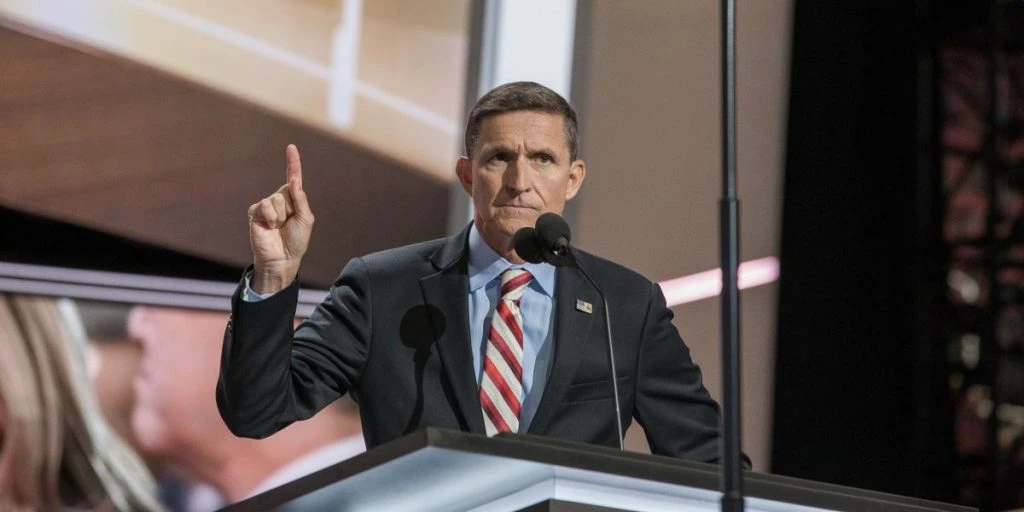
Michael Flynn briefly served as national security adviser.
During the transition, he spoke with Russian ambassador Sergey Kislyak. Mueller found that Flynn urged Russia not to escalate over US sanctions.
These calls became a major issue once disclosed. They highlighted early contacts between the incoming administration and Moscow.
Sergey Kislyak as a key channel
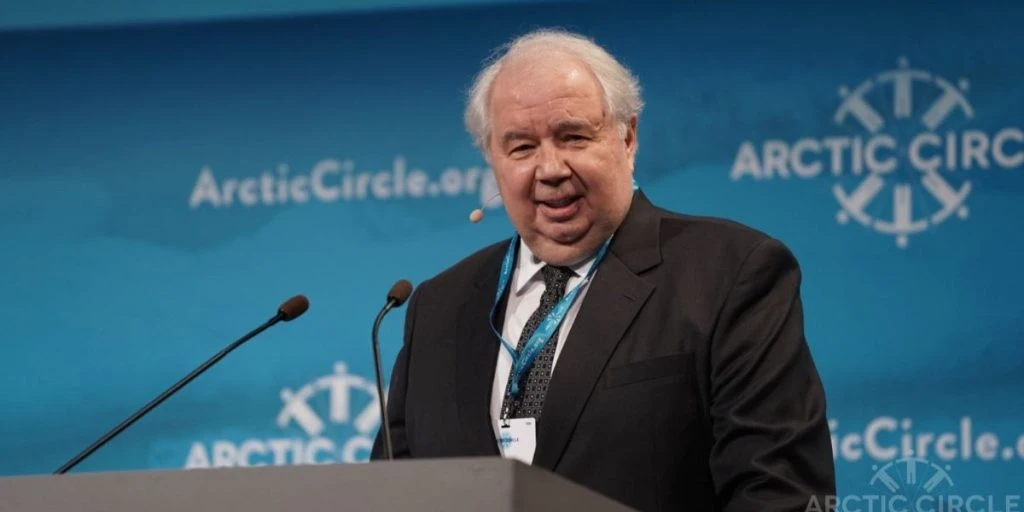
Sergey Kislyak was Russia’s ambassador in Washington at the time. He acted as a main diplomatic link between the two countries.
Several Trump-associated figures had contact with him during the transition. His role was official, but still closely watched.
He became a central figure in mapping communication lines.
Maria Butina’s influence operation
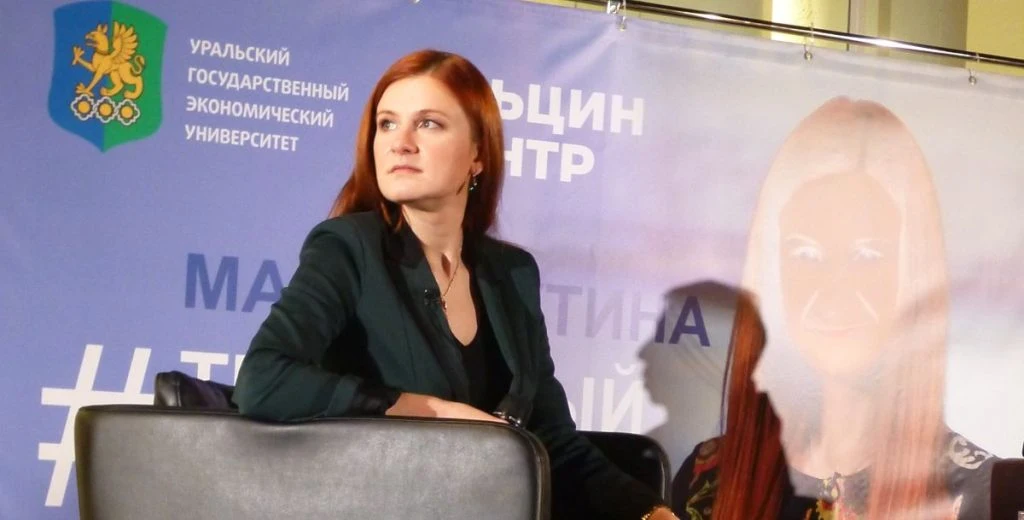
Maria Butina admitted to acting as an agent of the Russian Federation. She pleaded guilty to conspiracy charges in a US court.
Her activities focused on building political connections inside the US.
This made her case one of the clearest legal examples of influence efforts. It showed how soft power tactics could operate on American soil.
Natalia Veselnitskaya and the Trump Tower meeting

Natalia Veselnitskaya gained attention for the June 2016 Trump Tower meeting.
The Senate Intelligence Committee said she had significant Russian government ties.
At the same time, it found no reliable evidence that useful campaign information was shared.
It also said there was no proof Trump knew of the meeting in advance.
Her role remains one of the most debated episodes in the timeline.
Oleg Deripaska and sanctions pressure

Oleg Deripaska is a Russian oligarch tied to major business interests.
He later faced US charges related to sanctions evasion.
His name connects financial power with geopolitical tension.
He also appeared in threads linked to the Manafort story.
That overlap kept him in focus as the investigation unfolded.
Carter Page and Moscow exposure
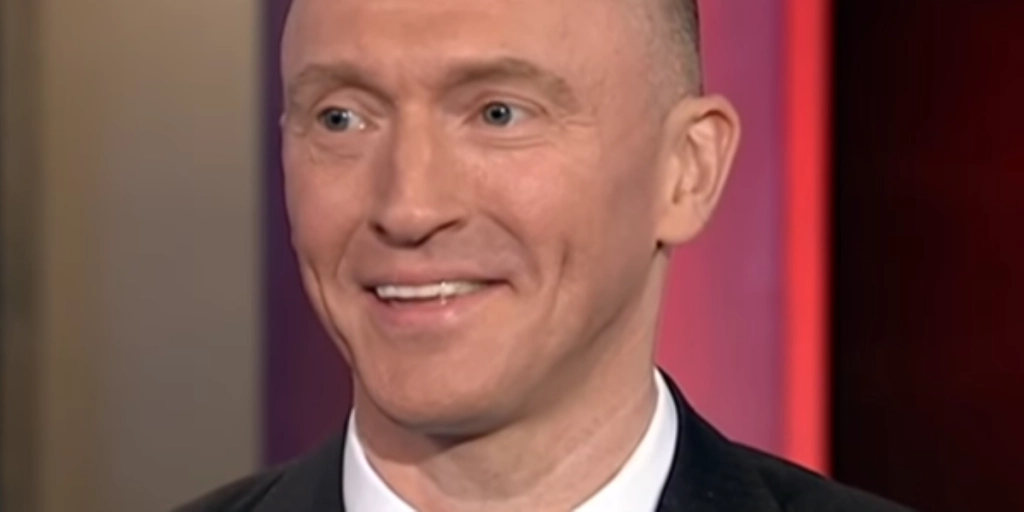
Carter Page served as a foreign policy adviser to the Trump campaign.
Mueller documented that he traveled to Moscow in July 2016. While there, he delivered a public speech.
This trip made him one of the most visible campaign links to Russia. His actions drew scrutiny from both media and investigators.



