
 Mikkel Christensen
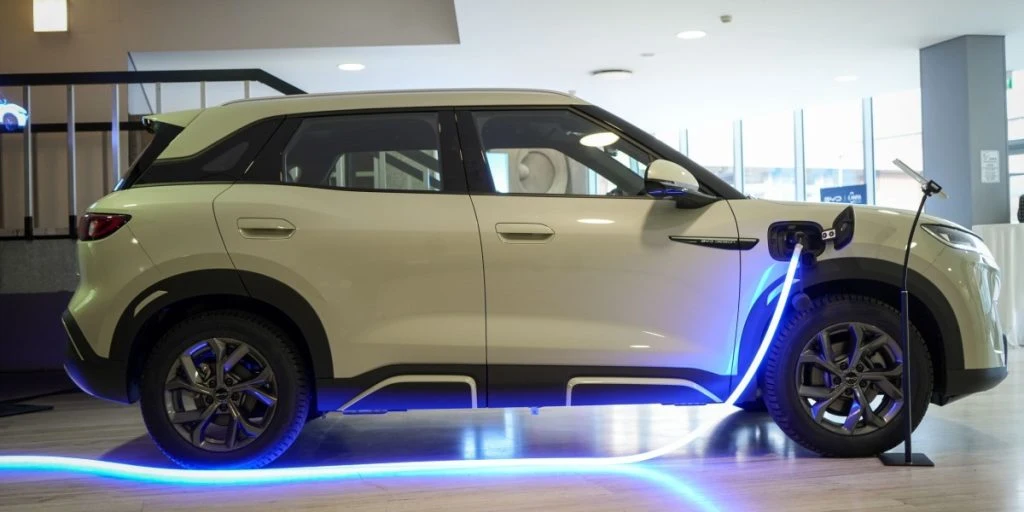
BYD is pushing the boundaries of electric vehicle charging with claims of near petrol-like refuelling times.


BYD is pushing the boundaries of electric vehicle charging with claims of near petrol-like refuelling times.
Its latest system promises to add hundreds of kilometres of range in just minutes, marking one of the most aggressive moves yet in the EV race.
The development reflects a wider industry push, with brands such as Tesla and Hyundai also working to reduce charging times.
Faster charging is increasingly seen as key to wider EV adoption. But not all automakers are convinced the approach delivers real-world benefits.


According to Carsales, BMW has questioned whether BYD’s so-called Flash Charging technology tells the full story.
The German manufacturer argues that extreme charging speeds may come with trade-offs that are not immediately visible.
Executives say headline figures can mask compromises in battery performance and long-term durability.
“You always have to be careful with those kinds of announcements,” BMW battery production boss Markus Fallböhmer said.
“It is possible to optimise one single performance indicator, but you have to make compromises on other sides.”
Competing priorities
At the core of the debate is how batteries handle extreme power. Ultra-fast charging requires very high current, which can generate significant heat and stress internal components.
BMW says pushing charging speeds higher can reduce energy density and accelerate wear if not carefully managed.
Thermal control systems must work harder, potentially affecting reliability over time.
“We look to decrease charging time more and more, but you have to look at range, durability, reliability,” said Mike Reichelt, head of BMW’s Neue Klasse models.
Infrastructure gap
Another challenge lies beyond the car itself. BYD’s technology relies on dedicated high-output chargers, which are currently limited to specific markets.
BMW, by contrast, is focusing on compatibility with existing 800-volt charging networks across Europe and other regions. This approach prioritises consistency over peak performance.
The difference highlights a broader divide in strategy: building new infrastructure versus adapting to what is already widely available.
What it means
For drivers, the gap between a five-minute and a 10–15 minute charge may matter less in everyday use, particularly on longer journeys where breaks are already expected.
However, ultra-fast charging could prove valuable in high-demand scenarios such as fleet operations or busy public charging stations.
As competition intensifies, the outcome may depend not just on speed, but on how well carmakers balance performance, cost and long-term reliability.
Sources: Carsales



