
 Kenneth Glad
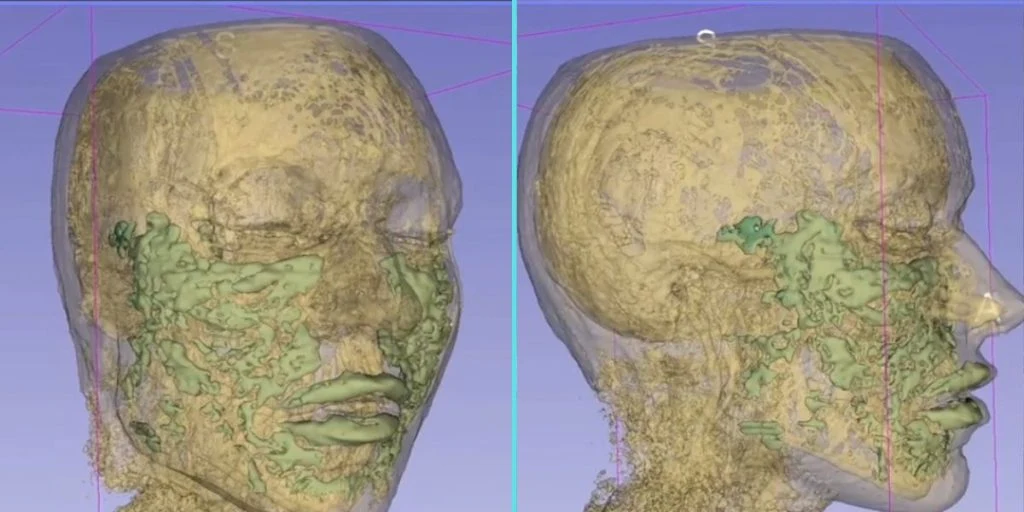
Cosmetic injectables are often promoted as temporary solutions, but their long-term behavior is still being explored. A widely shared medical image is now prompting renewed discussion about what may happen beneath the surface over time.
Others are reading now


A TikTok video from Beverly Hills surgeon Dr. Kami Parsa has racked up more than 12 million views – and it’s stirred up a question that keeps resurfacing: Do facial fillers really fade the way people expect?
The clip, picked up by Newsweek, shows MRI images from a single patient who had undergone multiple hyaluronic acid (HA) filler treatments over roughly six years.
It’s just one case, not a clinical study – but it’s enough to make both doctors and patients take a second look.
When Small Tweaks Turn Into Something Else
Even before this scan started circulating, many practitioners were already flagging a different concern: Too much filler over time.


The “pillow face” look – overly full cheeks, blurred contours – has become more noticeable in recent years. It rarely comes from one appointment. More often, it builds gradually, as small adjustments stack up.
“You are starting to resemble a chipmunk when it comes to your cheeks… or your lips look like sausages,” says aesthetic nurse practitioner Brittany Wilson.
It’s a blunt way to describe it, but the point lands. Fillers themselves aren’t the issue, most experts say. It’s how often they’re used – and how easy it is to keep adding a little more.
What the Scan Actually Suggests
The MRI images add another layer to that conversation. In the video reviewed by Newsweek, Parsa explains that the volume visible in the patient’s face appeared higher than what had been injected over time.
“When we measured the amount of filler… it ended up being close to 28cc, which is more than twice the amount of filler than was injected,” he says.
There’s a likely explanation. Hyaluronic acid attracts water – it’s part of why it works so well in the first place. As Parsa puts it, “Hyaluronic acid fillers are hydrophilic – that means they log water, and they also cause tissue expansion.”
So in some situations, filler may linger and draw in fluid, making treated areas look fuller than expected. It doesn’t happen to everyone, and results can vary quite a bit depending on the person and the technique used.
Rethinking “Temporary”
For many people, the appeal of fillers is simple: They’re not permanent. They soften, fade, and eventually disappear – or at least that’s the idea.
But cases like this hint that the timeline isn’t always so clear-cut. Some viewers reacting to the video said they were surprised. Others weren’t, saying it confirmed what they already suspected.
At the same time, most clinicians still stand by fillers as safe when used conservatively. The bigger issue, they argue, is overdoing it.
Parsa’s advice is straightforward: “We hope that people will learn that less is more when it comes to the HA filler.”
That might be the real takeaway. Not that fillers are inherently risky – but that expectations haven’t quite caught up with how they can behave over time.
Sources: Newsweek, TikTok (video by Dr. Kami Parsa)



