
 August M
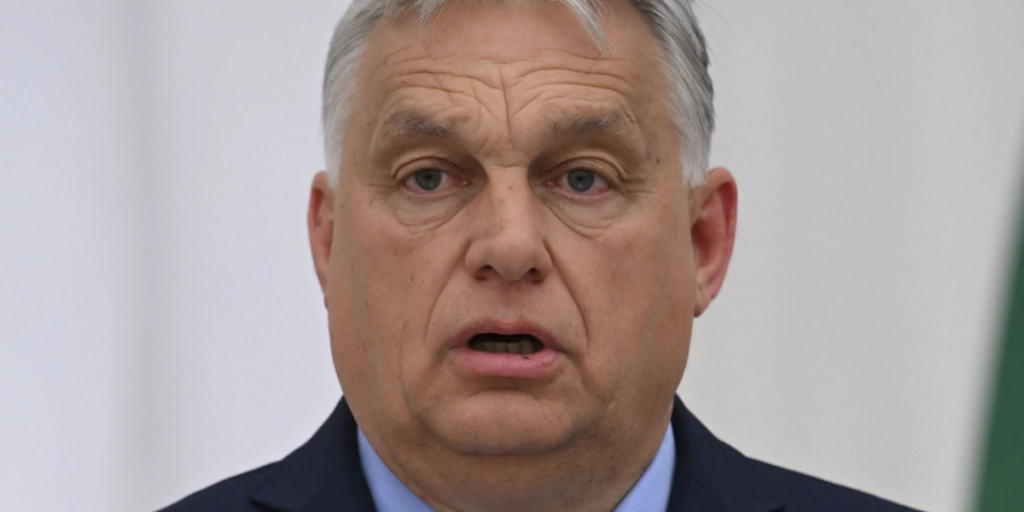
A reported discovery of explosives near a key gas pipeline has ignited political tensions in Hungary just days before a crucial election.


Analysts and opposition figures are questioning whether the incident could be linked to efforts to sway voters, reports The Guardian.
Election pressure
The development comes as Prime Minister Viktor Orbán faces a tight race after 16 years in power.
His main challenger, Péter Magyar, has gained momentum by focusing on domestic issues such as economic stagnation and corruption, while Orbán has stressed security threats linked to the war in Ukraine.
The competing narratives have shaped a deeply polarised campaign ahead of next Sunday’s vote.


Explosives found
According to The Guardian, Serbian authorities said they uncovered “two large packages of explosives with detonators” near a section of the TurkStream pipeline in Kanjiža.
President Aleksandar Vučić described the find as a serious threat to critical infrastructure, noting it was located only a few hundred metres from the pipeline carrying Russian gas.
He added the materials could have “endangered many lives” but declined to reveal further details about their origin.
Doubts emerge
The timing of the discovery has prompted scepticism among opposition figures and analysts.
Magyar said he had received warnings that an incident involving a pipeline could occur, possibly with foreign involvement. “And now it has,” he wrote, urging the government not to spread panic.
He went further, alleging: “Hungarians have every reason to fear that the outgoing prime minister, following the advice of Russian agents, is attempting to instil fear in his own people through false-flag operations.”
Political risk analyst Mujtaba Rahman also questioned the situation, describing it as a “seemingly convenient threat of terrorist action.”
Blame and denial
Hungarian officials have pointed to broader tensions with Ukraine, though without directly assigning responsibility for the incident.
Orbán said preliminary information suggested a prepared “act of sabotage,” while reiterating that Ukraine has long sought to limit Europe’s access to Russian energy.
Kyiv rejected any link, stating: “Ukraine has nothing to do with this,” and suggesting instead it could be “a Russian false-flag operation.”
Campaign impact
The incident has intensified scrutiny of the final days of campaigning, with concerns about misinformation and external influence.
Independent MP Ákos Hadházy dismissed the reports as “completely transparent and pathetic,” while warning that such narratives can still shape public opinion.
Sources: The Guardian



