
 Jens Asbjørn Bøgen
The price tag is $52.5 million.
Others are reading now


Russian Railways (RZhD), Russia’s state railway monopoly, is in deep financial trouble.
In February, the Jamestown Foundation reported that the railway company was $51.9 billion in debt after RZhD’s cargo volume saw a 5.6% drop in 2025, hitting a 16-year low.
Now, the railway monopoly is trying to reduce some of its debt by auctioning off assets.
The newest item up for sale is a railway station in Moscow.


$52.5 million price tag
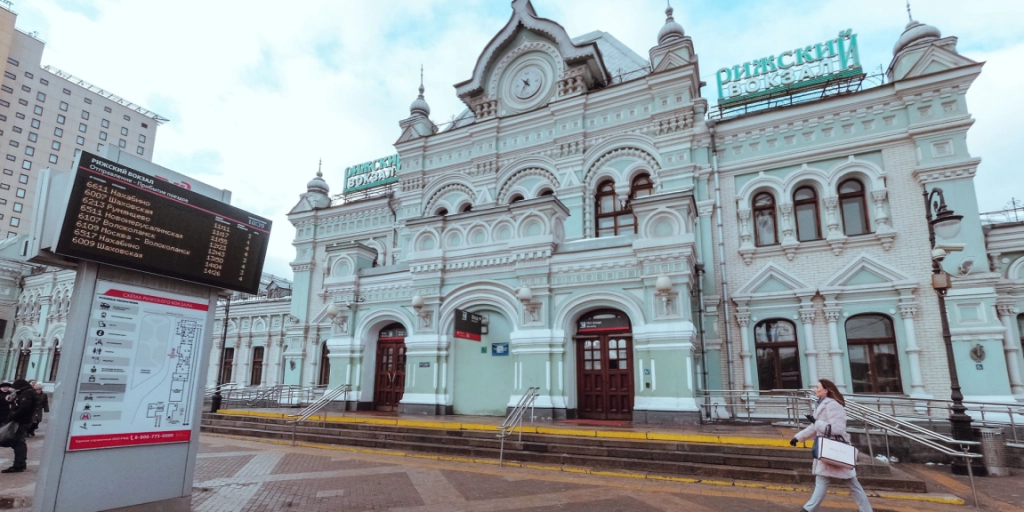
According to the Russian news agency Tass, cited by The Moscow Times, the historic Rizhsky Station complex is now for sale, offering a rare redevelopment opportunity in the capital.
The state-owned operator is seeking 4 billion rubles ($52.5 million) for the site.
“The station buildings have not been used for passenger transportation for a long time, which opens up possibilities for adapting them for new purposes,” the company says in the advertisement.
What’s included
The Rizhsky site includes a main station building constructed in 1901, additional structures from 1929, and a large adjacent land plot.
The auction was delayed from mid-April to April 29, with applications closing on April 20.
The company is also selling other high-value assets, including the Moscow Towers skyscraper, and plans to offload a stake in its freight subsidiary.
Declining role
Rizhsky Station has seen reduced use in recent years, serving only suburban trains since 2021.
Long-distance routes were redirected elsewhere, while international services to Riga were halted during the pandemic.
Today, just 23 commuter trains arrive daily, with long gaps between some services, according to Yandex Schedules.
Mounting pressures
Russian Railways is one of the country’s largest state firms, but rising borrowing costs and weaker freight demand have weighed on its performance. Meanwhile, the government has opted not to extend further financial support.
As a result, the company has turned to asset sales to cut debt and avoid sharply raising freight tariffs.
Sources: Tass, The Jamestown Foundation, The Moscow Times



