
 Mikkel Christensen
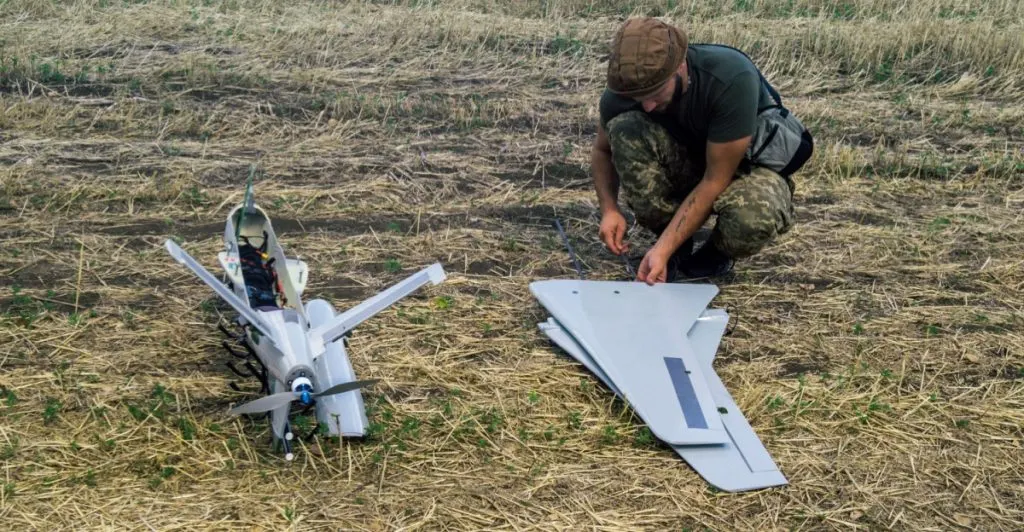
Small, low-cost drones are increasingly testing Europe’s air defences, exposing gaps that traditional military systems were not designed to handle,


Small, low-cost drones are increasingly testing Europe’s air defences, exposing gaps that traditional military systems were not designed to handle, as highlighted in a Monocle report.
Across the region, security planning has long focused on large-scale threats, but recent conflicts show simpler technologies can be just as disruptive.
The shift is now forcing European governments to rethink what real preparedness looks like.
A changing threat
Systems built to detect jets and missiles often struggle with low-flying drones that are harder to track and intercept.


Recent battlefield trends linked to the war in Ukraine underline how widely these tools are being used, often at a fraction of the cost of conventional weapons.
NATO officials have also warned in recent briefings that adapting to drone warfare is becoming a priority across the alliance.
Finland in focus
The challenge became more visible when Ukrainian drones, en route to Russian targets, entered Finnish airspace before crashing, as reported by Monocle.
The incident drew attention because Finland is widely seen as one of Europe’s most prepared countries, with strong border defences and a deeply rooted security culture.
Initial government communication appeared uncertain, raising questions about response speed and coordination during a live security event.
More than hardware
The episode shows that readiness is not only about military capability, but also about how institutions react under pressure.
Clear messaging and rapid coordination are essential, especially when incidents unfold in real time and in public view.
For Europe, the implication is broader: closing these gaps will likely require not just new technology, but faster decision-making and closer coordination across borders.
Sources: Monocle, NATO



