
 August M
Hungary’s heavy reliance on Russian energy is set to dominate the agenda of its incoming leadership. Despite political change, structural constraints remain difficult to overcome.

Pressure from the European Union to cut ties with Moscow is mounting, but analysts say Budapest faces a slower path than many of its peers.
Between 2021 and 2025, Hungary sharply increased its reliance on Russian oil, with imports rising from 61% to 93%, according to reporting by money.pl citing the Center for the Study of Democracy. Russia also supplies roughly three-quarters of the country’s gas, making Hungary the most dependent EU member in this area.
Pressure and limits
The EU aims to phase out Russian energy by 2027, but Hungary’s trajectory appears far more gradual. Experts cited by money.pl say existing infrastructure, long-term contracts, and pricing concerns all complicate a rapid transition.
A key obstacle is a gas agreement signed in 2021 that runs until 2036, limiting flexibility for any government seeking quick change.


Analysts also point to years of underinvestment in alternative routes under Viktor Orbán, leaving Hungary with fewer options compared to neighbors such as Poland or the Czech Republic.
Cost over politics
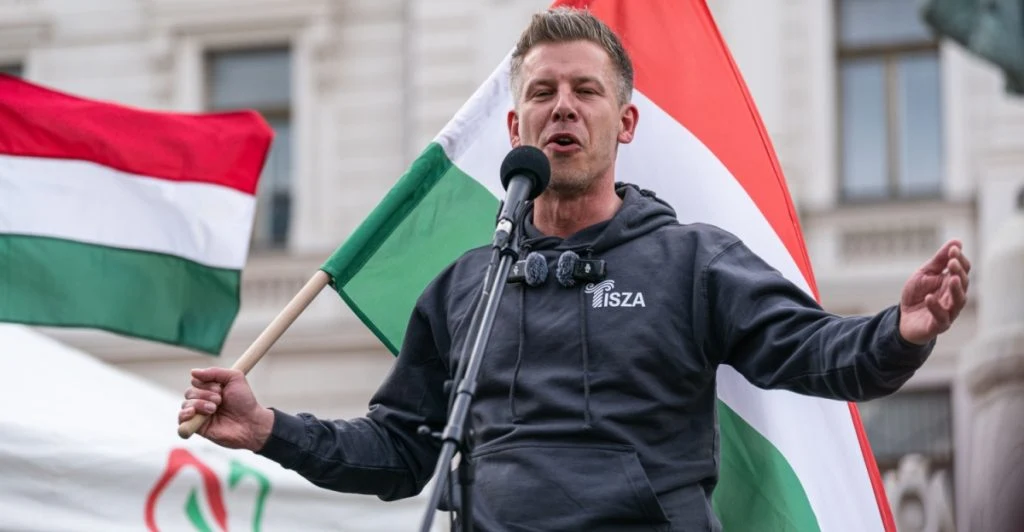
Against this backdrop, incoming prime minister Peter Magyar has signaled a pragmatic approach. Speaking after election results, he emphasized diversification without committing to a full break from Russia.
“We have made this clear several times, but I can repeat that Tisza will do everything in its power to diversify our energy sources,” he said, according to money.pl.
He framed the issue primarily in economic terms, arguing that multiple suppliers would ensure both security and lower prices.
Gradual shift ahead
Magyar acknowledged the limits imposed by geography and existing ties. “We will do everything, we will diversify, but that doesn’t mean we will isolate ourselves,” he said.
Experts interpret this as a sign that Hungary will seek new supply routes while maintaining some level of cooperation with Russia in the near term.
At the same time, potential regional partnerships, including possible LNG imports via Poland, could support diversification efforts if developed.
Sources: money.pl



