
 Kenneth Glad
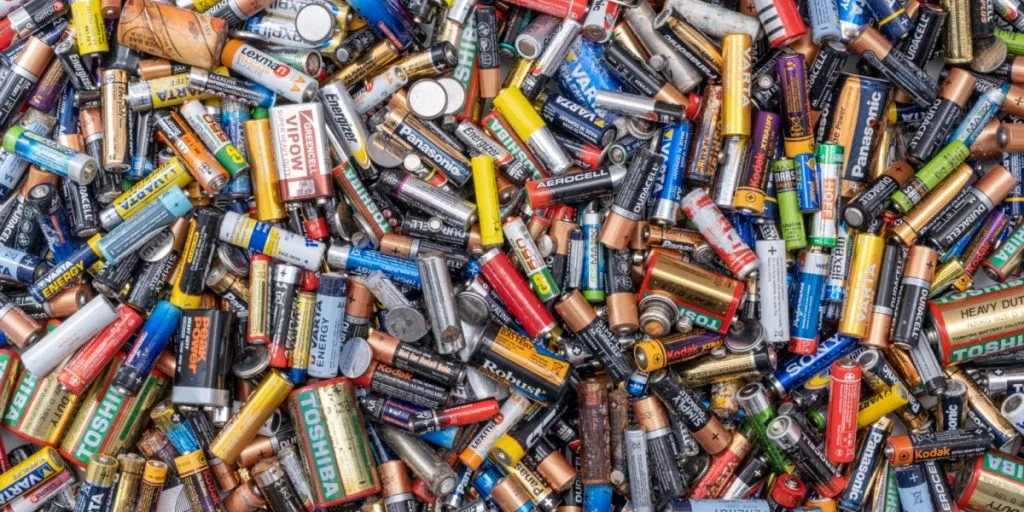
A new battery recycling facility has gone into operation in Ginsheim-Gustavsburg, in southern Hesse, Germany. The goal is straightforward: Pull usable metals out of old batteries and keep more of those materials within Europe.


The plant is operated by Austrian recycling company Saubermacher alongside Meinhardt Städtereinigung. It uses artificial intelligence combined with X-ray scanning to sort incoming waste.
BILD reported that the system can distinguish between everyday household batteries and more specialized units, including those built into electronic devices.
Battery recycling sounds simple until you look closer.
Different battery types contain different material mixes, which makes sorting a critical first step. At the new facility, metals like zinc, nickel, iron and aluminum are separated out.


Plastics and glass are handled in parallel, while hazardous components are removed and dealt with separately.
Capacity signals growing pressure
The plant is built for volume. Up to 100 tons of household batteries per day can be processed, according to BILD.
That figure says a lot on its own. Battery waste is increasing, and so is demand for the materials inside it. Not just for consumer goods, either – industrial use is expanding, and supply chains are under strain.
Here, the sorting system does the heavy lifting. Instead of relying only on conventional methods, the AI helps decide where each item goes. It’s faster, and more precise. At least in theory.
More than just a recycling project
At the opening, Hessian Minister-President Boris Rhein leaned into the bigger picture:
“A modern industrial location must today not only produce, but also keep value creation in the country.”
He tied the project to supply security as well:
“Particularly in these geopolitically unsettled times, we need more independence and resilience.”
It’s a familiar line, but one that keeps coming up. Recovering materials locally is becoming part of how governments think about industrial strategy – not just environmental policy.
Or put more bluntly: Don’t throw away what you might need later.
Investment — and the reality check
The facility didn’t come cheap. The companies involved are investing a double-digit million-euro sum, with 700,000 euros in support from the state of Hesse, BILD reported.
Public funding like that is becoming more common. Recycling capacity is being treated as infrastructure now.
Still, there are open questions. Processing mixed battery waste efficiently is difficult. Profitability depends on recovery rates, energy costs and volatile metal prices. And newer battery designs could make the job harder, not easier.
So yes, the direction is clear.
Execution is where things usually get complicated.
Source: BILD



