Kenneth Glad
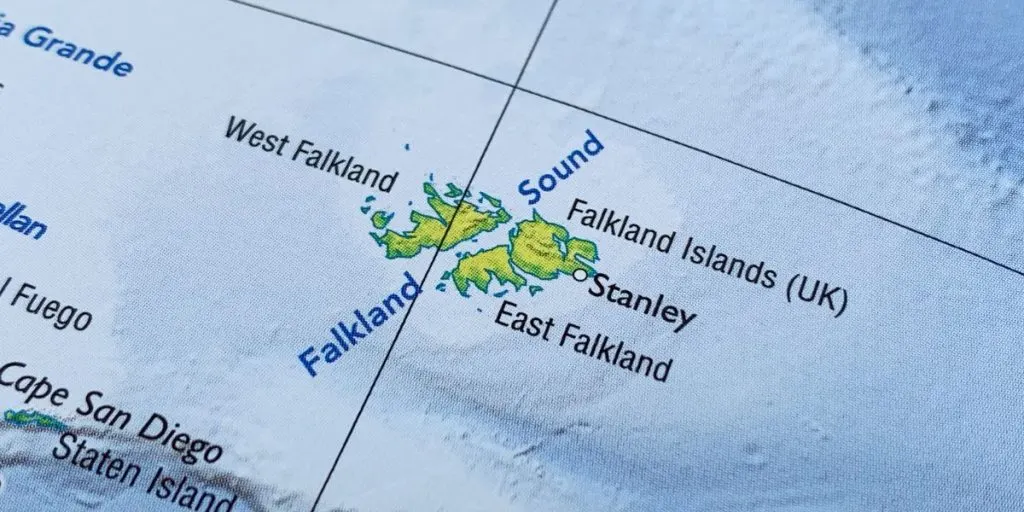
A reported US policy shift has thrust the Falkland Islands back into the centre of international tensions. Britain is pushing back as questions emerge over alliance unity and strategic priorities.


A transatlantic dispute has intensified after reports the United States may reconsider its stance on the Falkland Islands, following disagreements over Iran. The development has placed fresh strain on relations between Washington and London.
Prime Minister Keir Starmer has responded by reaffirming the UK’s position, signalling that sovereignty over the islands is not open to debate.
A Pentagon document outlines, according to The Mirror, possible responses to allies who declined to support recent US actions linked to Iran. Among the options discussed was a review of American diplomatic backing for European overseas territories.
That proposal brought renewed attention to the Falkland Islands, a British Overseas Territory claimed by Argentina. The issue remains politically sensitive decades after the 1982 war.

Responding to the reports, a Downing Street spokesperson for Keir Starmer said:
“We could not be clearer about the UK’s position on the Falkland Islands. Its longstanding and unchanged sovereignty rests with the UK and the island’s right to self-determination is paramount, and it’s been our consistent position and will remain so.”
Government stands firm
Starmer’s government has made clear that its stance will not shift under external pressure.
Officials stressed that the principle of self-determination for the islanders remains central to UK policy.
The Falklands continue to hold strategic importance in the South Atlantic, while Argentina maintains its long-standing claim to the territory, keeping the issue alive diplomatically.
Reuters reports that the Pentagon memo included broader measures under consideration, such as reviewing US troop deployments in Europe, reflecting wider tensions within NATO.
Reactions mount
The reports have prompted strong responses in the UK. Falklands War veteran Simon Weston criticised the suggestion of US involvement, arguing it should not interfere in matters concerning the islands.
“We’re all independent countries and we have our right to our own opinion and the way we deal with things. And if he doesn’t like it well tough on him you can’t be a schoolyard bully forever.”
He added that the proposal would anger residents:
“It’ll enrage the islanders because they don’t deserve this. All they want to do is live peacefully and get on about their business and they’ve done it incredibly well in the last 44 years.”
Wider tensions grow
The disagreement comes alongside economic pressure from Washington. President Donald Trump warned: “If they don’t drop the tax, we’ll probably put a big tariff on the UK,” referring to Britain’s digital services tax on US technology firms.
A Pentagon spokesperson, quoted by Reuters, said:
“As President Trump has said, despite everything that the United States has done for our Nato allies, they were not there for us.”
As divisions widen across defence, trade and diplomacy, the Falklands issue has become a symbol of broader strain between long-standing allies.
Sources: Reuters, The Mirror