
 August M
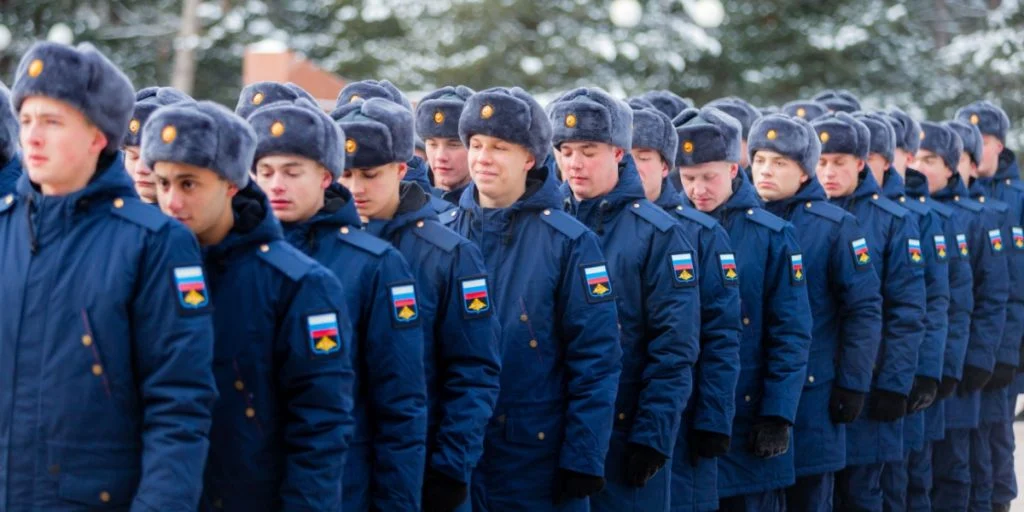
Russia’s military recruitment drive is increasingly under scrutiny as reports point to growing desertion and controversial enlistment practices. Accounts from recruits suggest confusion over contracts and roles promised before deployment.


The issue highlights mounting pressure on Moscow to sustain troop numbers during the ongoing war.
Recruitment tactics
According to Money.pl, citing Al Jazeera, some recruits sign military contracts without fully understanding the terms.
In certain cases, individuals are reportedly offered roles away from combat, only to find themselves assigned to frontline duties.
The report describes how financial incentives, including high salaries and bonuses, are used to attract volunteers.


However, the lack of transparency in contracts has led some to attempt to leave the military after enlistment.
Personal account
Al Jazeera recounts the story of Oleg, a 24-year-old from Ufa, who believed he had secured a job as a security guard at the Zaporizhzhia Nuclear Power Plant.
He was drawn by a salary of 200,000 rubles, but says he later signed additional documents that redirected him into a combat role as a drone operator.
“I signed in a hurry, without reading and without understanding,” Oleg said.
His experience is presented as one of several similar cases, though the overall scale remains unclear.
Desertion figures
Reliable data on desertion is limited, as Russian authorities do not publish official figures.
However, Mediazona reported that nearly 21,000 service members had been convicted for refusing to serve as of June.
Separately, a UN Special Rapporteur on Human Rights estimated that at least 50,000 Russian soldiers have deserted since 2022.
These figures suggest a broader challenge for the military beyond recruitment alone.
Escape networks
The report also highlights how some deserters attempt to leave Russia or go underground.
Routes mentioned include travel through Belarus to Armenia or attempts to cross into Georgia.
Support networks have emerged to assist those trying to avoid detection. According to Al Jazeera, at least 3,000 people have used help from the group “Idite Lesom,” which offers advice on how to remain untraceable.
Reflecting on motivations, Oleg said: “Patriotism ends with money.”
Sources: Money.pl, Al Jazeera, Mediazona, UN



