
 Edith Hejberg
Fishback says Trump abandoned his promise to avoid new foreign wars and instead dragged the United States into another costly Middle Eastern conflict.


Donald Trump once united the American right under the banner of “America First.” But his decision to confront Iran militarily has opened a deep fracture inside the MAGA movement, with former allies accusing each other of betrayal, extremism, and abandoning conservative principles.
The divide has become so intense that some Republicans now describe it as a political civil war unfolding inside their own party.
A former Trump loyalist turns against him

James Fishback, a 31-year-old Republican candidate for governor of Florida, once admired Trump wholeheartedly. Today, he says he would grade Trump’s presidency only a “C+ or B-.”
Fishback argues the administration has failed ordinary Americans on economic issues and mishandled several controversies, including the Epstein case. But for him, the turning point was Iran.


He says Trump abandoned his promise to avoid new foreign wars and instead dragged the United States into another costly Middle Eastern conflict.
“America First” means no foreign wars

Fishback insists the Iran conflict does not serve American interests.
“My definition of ‘America First’ is that if it doesn’t benefit the American people, it’s not ‘America First,’” he said.
He points to rising fuel prices and argues Iran poses no existential threat to the United States. In his view, the war has only increased economic pressure on American families already struggling with inflation and housing costs.
Conservatives are now attacking each other openly

The MAGA coalition was once known for strict loyalty to Trump. That unity is rapidly disappearing.
“There’s a real civil war going on in the Republican Party right now,” Fishback said.
The fight is no longer simply between Republicans and Democrats. Instead, major conservative figures are publicly accusing one another of treason, anti-American behavior, and ideological betrayal.
Tucker Carlson and other right-wing stars break ranks

Several of the most influential conservative media personalities have distanced themselves from Trump over Iran.
Tucker Carlson, Megyn Kelly, and Candace Owens argue the war contradicts Trump’s long-standing promise to keep America out of new Middle Eastern conflicts.
Carlson’s criticism shocked many conservatives because he had strongly supported Trump during the 2024 campaign. In a recent podcast episode, he even apologized to listeners for backing him.
“I want to say I’m sorry I misled people,” Carlson admitted.
Pro-Israel conservatives remain firmly loyal
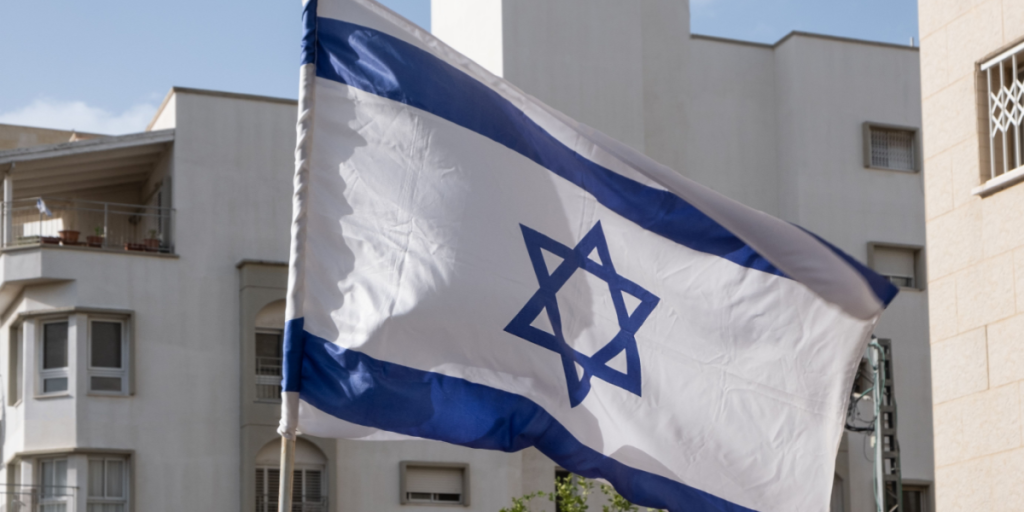
Not everyone on the right opposes Trump’s stance.
Influential conservative commentators including Mark Levin, Ben Shapiro, and Laura Loomer continue defending the president and supporting military action against Iran.
They argue the conflict is necessary for American security and describe Iran as a major supporter of global terrorism.
For them, backing Israel and confronting Tehran are consistent with protecting American interests abroad.
The online right turns increasingly toxic

The debate has become especially vicious online.
Laura Loomer called Tucker Carlson “mentally ill” and labeled him a “threat to national security.” Mark Levin accused anti-war conservatives of effectively helping America’s enemies.
Meanwhile, nationalist commentator Josh Hammer attacked critics of the war as part of an “anti-American riot.”
The language reflects how emotionally charged the conflict has become within conservative circles.
Analysts call it “the MAGA divorce”
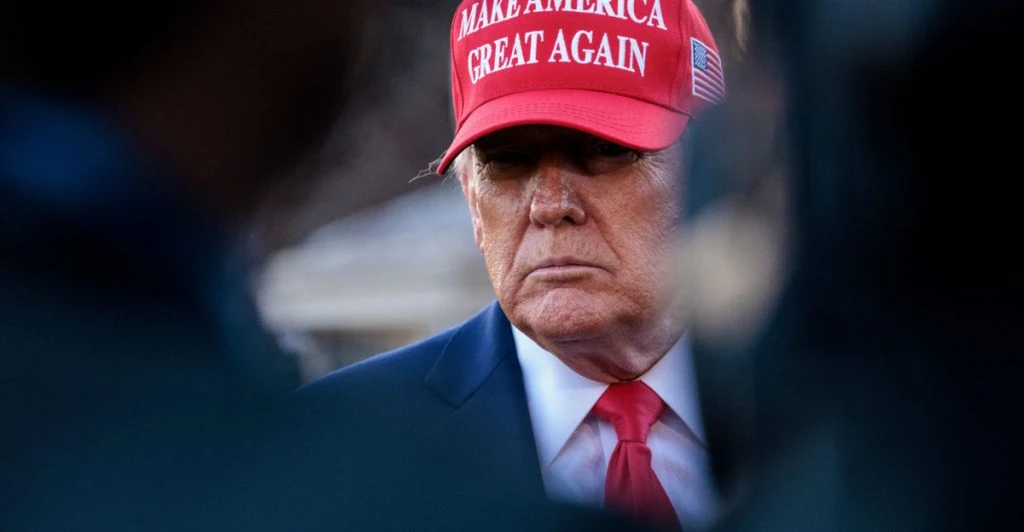
Political observers say the split inside the Republican movement is unlike anything seen during Trump’s rise to power.
Conservative podcaster Scott Greer described it as a “MAGA divorce,” arguing that large parts of the online right are now openly hostile toward Trump.
He says many right-wing influencers are adapting because their audiences increasingly reward criticism of the president instead of loyalty.
According to Greer, becoming anti-Trump is now politically useful in some conservative media spaces.
Trump still controls the Republican Party machinery
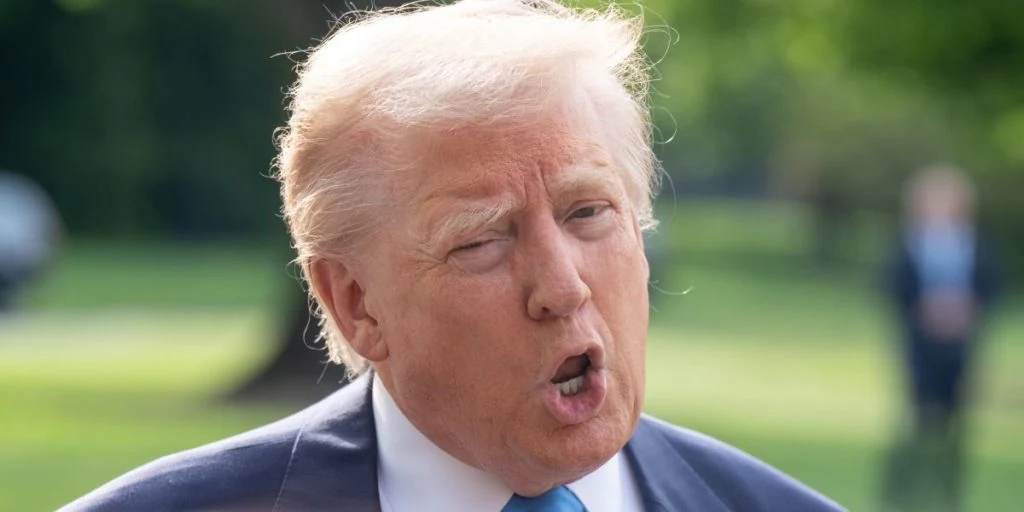
Despite the backlash, Trump remains dominant inside the formal Republican Party structure.
In Indiana’s recent primary elections, MAGA-backed candidates defeated most Republicans who challenged Trump’s redistricting plans.
The victories showed that Trump still commands enormous influence over Republican voters and party organizations, even while conservative media figures rebel against him online.
Fishback’s campaign attracts a new radical audience

Fishback’s campaign events in Florida are drawing enthusiastic crowds, especially younger conservatives associated with the “America First” movement.
Many supporters wear symbols linked to far-right influencer Nick Fuentes and his “groyper” movement, which has repeatedly been accused of promoting anti-Semitic ideas.
Fishback has made opposition to Israel a central theme of his campaign, promising to end aid to Israel and redirect the money toward helping Americans buy homes.
Those speeches have received loud applause from supporters.
Critics warn anti-Semitism is spreading on the right

Fishback’s rhetoric has alarmed many Republicans.
He has used inflammatory language online and attacked political opponents with comments critics describe as racist and anti-Semitic.
Florida Congressman Byron Donalds accused Fishback of being “exactly what people hate about politics, a cheap farce.”
Republican consultant Gabe Groisman warned that extremist ideas are spreading among younger conservatives, especially online and in activist circles tied to nationalist politics.
Trump’s coalition may be starting to crack
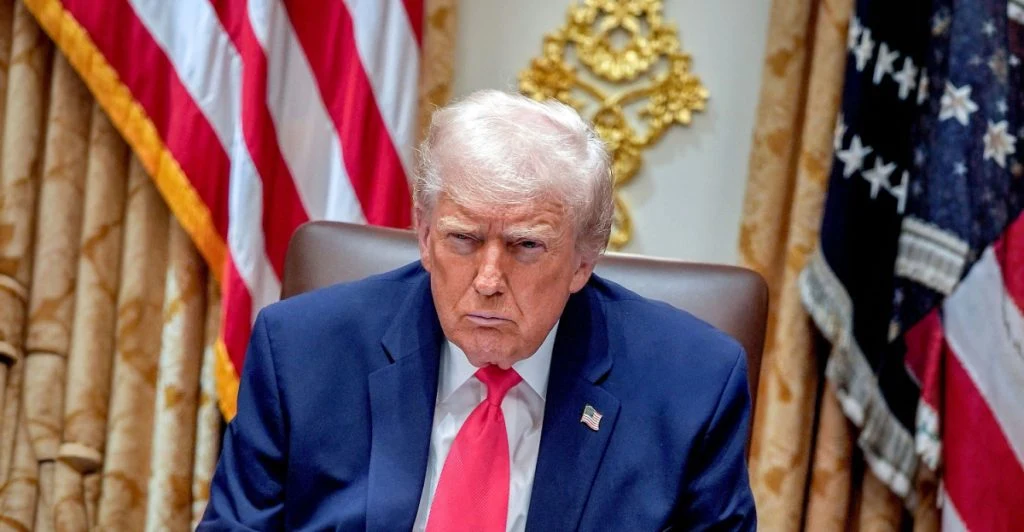
The internal MAGA battle comes at a dangerous moment for Republicans.
Trump’s approval ratings have reportedly fallen to their lowest levels of his second term, while Democrats hope to capitalize in the upcoming midterm elections.
Some analysts believe Trump is losing support among younger voters, independents, Hispanics, and African-Americans, groups that helped him expand his coalition in 2024.
If the divide over Iran continues growing, Republicans could enter the next election cycle more fractured than at any point since Trump first took over the party.
Fishback embraces the extremist label
Fishback says he understands why establishment Republicans view him as dangerous. But he insists his message reflects growing frustration among ordinary voters.
“I’m an extremist for the political establishment,” he said, “but… not for the average American… who is fed up with both Democrats and Republicans.”
His rise may still be politically limited. Yet the anger fueling his movement reveals how deeply Trump’s Iran conflict has shaken the modern American right.



