Mikkel Christensen
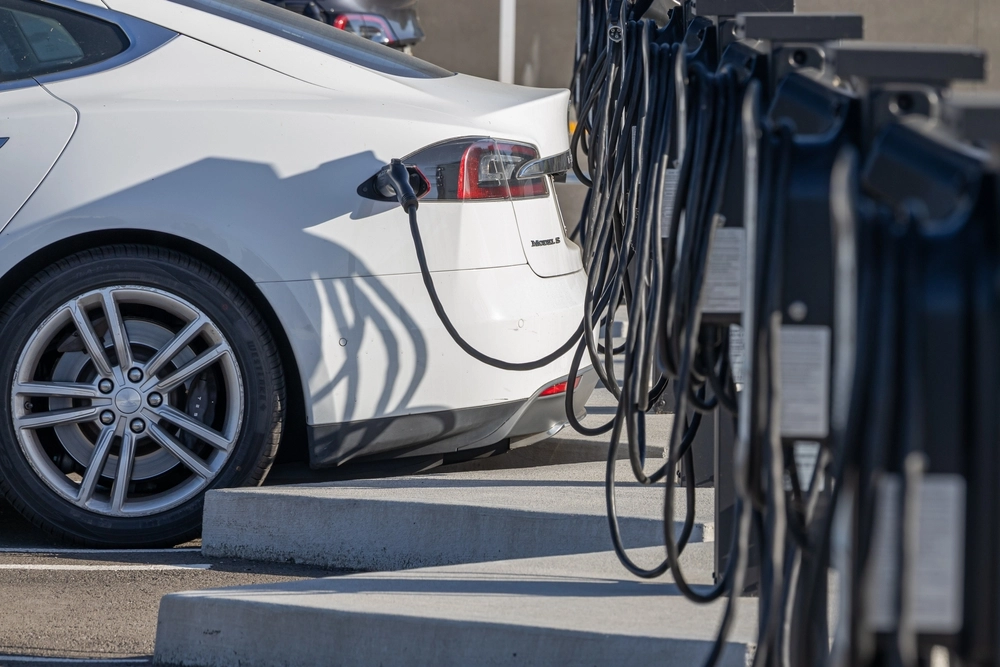
The race to cut EV charging times is accelerating, but infrastructure and real-world limits may matter more than headline figures.


The race to cut EV charging times is accelerating, but infrastructure and real-world limits may matter more than headline figures.
As battery and platform technology improves, manufacturers are pushing charging speeds to levels once considered unrealistic.
The shift highlights a new battleground in the electric vehicle market.
Beyond battery size
For years, range dominated EV development. Now, attention is turning to how quickly that range can be replenished.


According to Top Gear, several premium models can already add hundreds of miles of range in minutes under ideal conditions, signalling a move away from simply increasing battery capacity.
Industry analysts note that faster charging could have a bigger impact on usability than marginal range gains.
Technology leap
Much of this progress is driven by 800-volt and higher electrical systems, which allow more energy to flow safely into the battery.
Vehicles like the Mercedes EQS and newer BMW and Volvo models are part of this shift, combining long range with rapid charging capability.
However, real-world charging speeds often fall below peak figures due to temperature, charger availability and battery management limits.
New competition
Chinese manufacturers are playing a growing role in advancing charging performance.
Brands such as XPeng, Zeekr and BYD are introducing high-rate charging systems and new battery designs aimed at reducing wait times.
Their rapid development cycles and control over battery supply chains are helping accelerate innovation across the sector.
Pushing the limits
At the extreme end, some platforms are now targeting megawatt-level charging.
BYD has unveiled technology capable of supporting up to 1,000kW, while experimental models from European brands have recorded similar or higher peaks in testing.
Such speeds could theoretically deliver hundreds of miles of range in just a few minutes, though widespread deployment remains limited.
Trade-offs remain
Despite the progress, ultra-fast charging presents challenges.
Higher charging rates can increase heat and stress on batteries, potentially affecting long-term durability if not carefully managed.
This means manufacturers must balance speed with battery health and safety.
What comes next
As charging networks expand and technology improves, ultra-fast charging could reduce one of the biggest barriers to EV adoption.
But analysts say the real breakthrough will come when high speeds are consistently available in everyday conditions, not just in controlled tests.
The next phase of EV competition may depend less on peak numbers and more on how reliably drivers can access them.
Sources: Top Gear