
 Kenneth Glad
A high-profile collaboration in the electric vehicle sector is facing unexpected uncertainty. Strategic shifts and external pressures are reshaping plans once seen as firmly on track.


A major push into the automotive world has hit an unexpected obstacle for Sony. Its partnership aimed at blending consumer technology with car manufacturing now faces an uncertain future after a sudden shift from its key ally.
The development highlights how quickly conditions in the electric vehicle sector can shift, even for projects backed by established global players.
Honda’s decision to cancel several planned electric models for the U.S. market is at the center of the disruption. As reported by TechCrunch, the automaker pointed to tariffs introduced under President Trump and increasing pressure from Chinese competitors as reasons for pulling back.
That move has left Sony Honda Mobility, the joint venture behind the Afeela brand, without a clear path to continue its vehicle program.


Honda’s pivot leaves Afeela exposed
Sony Honda Mobility had structured its plans around Honda’s manufacturing capabilities and engineering base. The company said it intended to use “certain technologies and assets” from Honda, but that foundation has now been withdrawn.
One of the key products affected, according to Reuters, is the Afeela 1 sedan, expected to enter a crowded premium EV segment with a starting price of about $90,000, competing with established high-end electric brands.
The company said it will “continue to discuss and evaluate the future of” the venture, adding it will “jointly announce SHM’s future direction, mid to long-term positioning as well as contributions to the future of mobility at the earliest possible opportunity.”
It remains unclear what this means for employees working on the project in Japan and the United States.
From prototype to paused plans
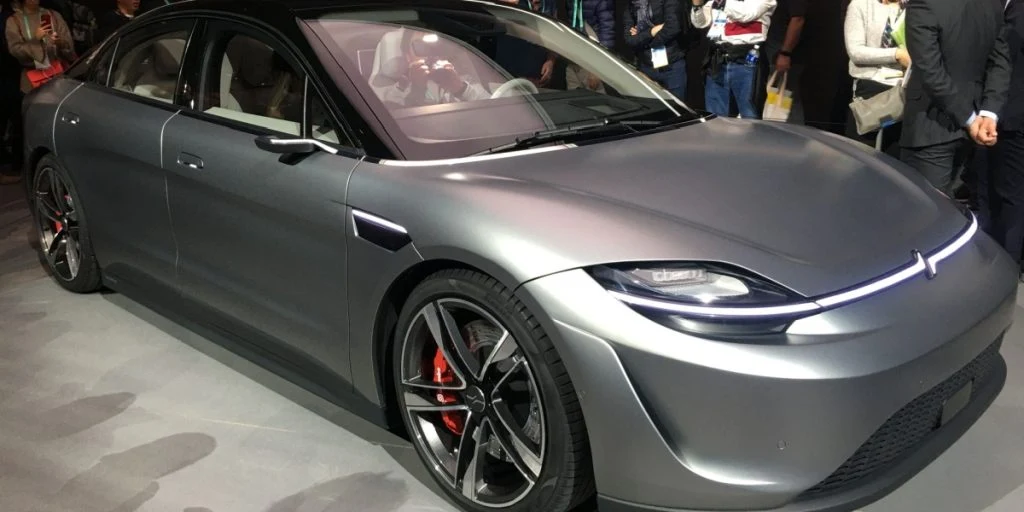
Sony’s automotive ambitions began with the Vision-S concept, unveiled at the 2020 Consumer Electronics Show. The prototype emphasized digital experiences, featuring expansive screens, advanced audio, and a network of sensors.
“This prototype embodies our contribution to the future of mobility,” then-CEO Kenichiro Yoshida said at the time.
What started as a technology showcase gradually turned into a commercial effort. Sony formalized its intentions in 2022 through a partnership with Honda, later introducing the Afeela brand as its entry into the EV market.
That earlier optimism now contrasts sharply with today’s uncertainty.
A tougher road for new entrants
The shift also reflects broader industry pressures. TechCrunch notes that changes in U.S. policy, including the rollback of federal EV incentives, have slowed momentum in the sector.
The outlet also reports that several EV-focused startups have struggled or pivoted, while major automakers have delayed or scaled back electrification plans.
In that environment, launching a new premium EV brand has become increasingly difficult. Afeela’s positioning raised questions about how it would differentiate itself in a field already defined by strong competitors and rapid innovation.
For Sony, the pause may not mark the end of its mobility ambitions – but it does underline how challenging it is for technology companies to translate expertise into success on the road.
Sources: TechCrunch, Reuters



