
 Kenneth Glad
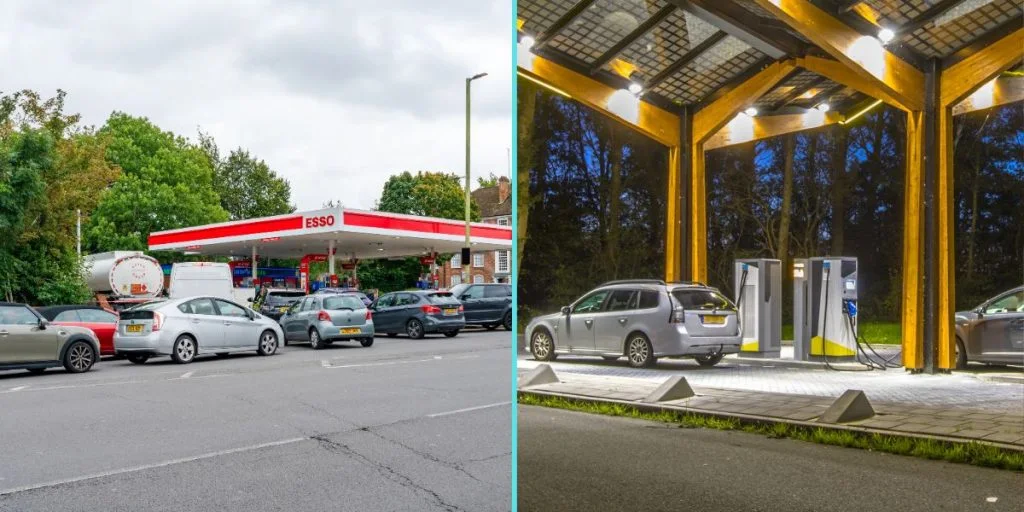
Europe’s shift away from fossil fuels is becoming more complex than expected, as policymakers weigh competing technologies and economic realities. A new industry-backed analysis suggests the road to climate neutrality may depend on a broader mix of solutions than previously assumed.


According to a joint study by the eFuel Alliance and Porsche Consulting, the EU could phase out fossil fuels by 2046, replacing them with alternatives such as synthetic fuels produced using renewable electricity, water and captured CO₂.
European Commission projections cited in the study indicate liquid fuels will remain widely used. By 2040, around 37% of passenger cars and 62% of trucks are still expected to rely on them, alongside most aircraft and ships.
The Commission also expects these fuels to provide more than half of transport energy by 2050, highlighting their continued role even as electric vehicles expand.
Limits to EV growth
But that outlook is far from certain. The study contends that bottlenecks in raw materials, including lithium and nickel, could slow EV adoption in the near term.


Over a longer horizon, constraints tied to electricity grid expansion may further limit electrification, it adds.
If those pressures persist, industry projections cited in the report suggest fuel demand could outpace current EU expectations.
Critics, however, have long debated whether such projections overstate future reliance on liquid fuels.
Financing remains key
Industry estimates referenced in the study indicate that eFuel production capacity could surpass 200 billion litres by 2045, potentially covering transport demand without supply competition.
Yet progress has been slow. “Financing is the make-or-break issue. Only six percent of those 300 projects have cleared a final investment decision,” said Ralf Diemer, Executive Director of the eFuel Alliance, in the press release.
He added: “If the EU delivers on its electric mobility ambitions, our industry can drive fossil fuels out of the market before 2050.”
Most projects focus on transport, with eMethanol — a synthetic fuel that can be used across multiple sectors — gaining traction.
The report calls for clearer regulation and stronger incentives, while broader EU climate policy debates continue over how best to balance electrification with alternative fuels.
Sources: eFuel Alliance, Porsche Consulting, European Commission



