
 Kenneth Glad
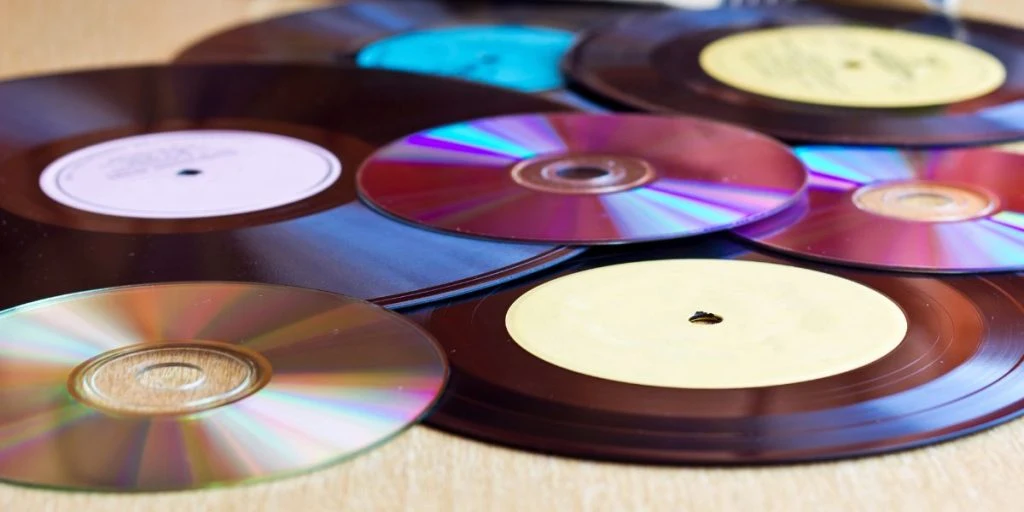
Physical releases are taking on a different role in a market dominated by instant access. For many buyers, the product now matters as much as the recording.


U.S. CD sales rose 16% to 16.3 million units in the first half of 2026, according to Luminate figures cited by Headphonesty. Vinyl increased by 2.4% during the same period.
The increase is not simply a return to older listening habits. Many younger consumers still stream the albums they buy, while roughly half of Gen Z and Millennial CD purchasers reportedly lack a player.
Collecting reshapes the market
K-pop supplied much of the momentum. Without sales from the genre, CD growth would have been 6.7%, according to the Luminate data.
BTS sold 567,000 CD copies of Arirang in the United States through the first 26 weeks of 2026. Combined with releases from ENHYPEN and ATEEZ, the three groups generated about 6.9% of all U.S. CD purchases.


Labels can offer several versions of one release through alternative artwork, deluxe packaging and retailer-exclusive extras. The approach positions the CD between a music format and an affordable souvenir, allowing committed fans to purchase more than one edition.
“The act of buying physical music is as much about aesthetic ownership and direct financial support for the artist as it is listening to the music on the product itself,” Luminate notes.
RTi Research has connected the appeal to permanence. Unlike music accessed through a streaming subscription, a disc remains available when a service ends or licensing arrangements change:
“You don’t own anything on Spotify. You rent access.”
CDs fill separate roles
The format occupies a different price category from vinyl. CDs commonly sell for $10 to $15, compared with roughly $25 to $40 for records, making them easier to market through major retail chains and more accessible to younger buyers.
Direct sales can also matter to independent musicians. A CD may cost about $2 to manufacture, although the artist receives less when labels, distributors and retailers divide the proceeds.
Meanwhile, many established users never stopped playing discs. MusicWatch estimates that more than 40 million Americans listened to CDs while driving in 2025, often through older car stereos.
The same product can therefore serve as everyday playback for one buyer and low-cost fan merchandise for another.
Sources: Headphonesty, Luminate, RTi Research, MusicWatch



