Jens Asbjørn Bøgen
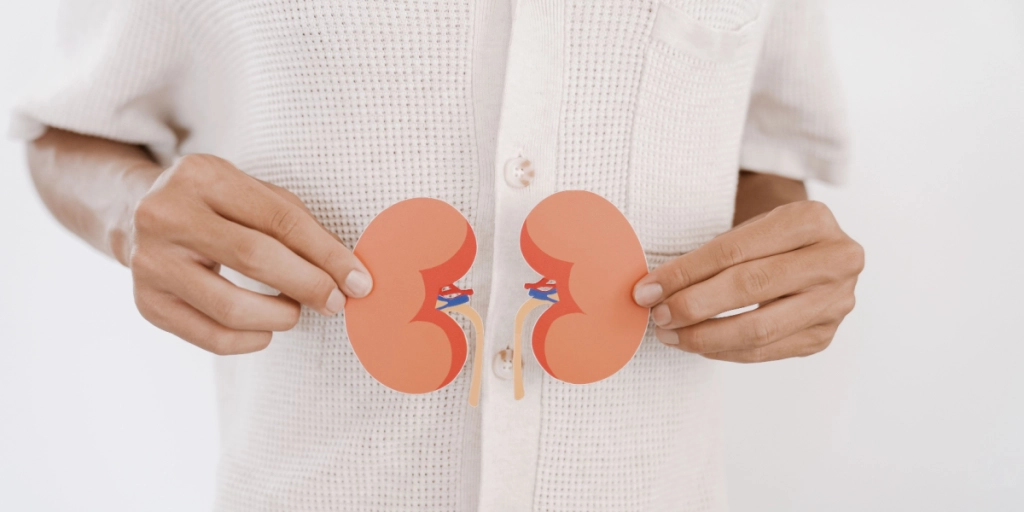
The drug “signicifantly” slowed the decline in kidney function.
Others are reading now


Living with a chronic illness is exhausting.
For millions of people worldwide, protecting vital organs becomes a daily, quiet battle against time.
Now, a major global trial offers fresh hope for an overlooked group of patients.
A quiet breakthrough
The study examined a drug called finerenone, first approved in the US in 2021. Doctors have previously used this medication to treat people with both type 2 diabetes and kidney disease.


But this new trial focused entirely on adults with chronic kidney disease who do not have diabetes.
According to The New England Journal of Medicine, the trial followed 1,584 adults for just over three years. Every patient entered the study with impaired kidney function and high protein levels in their urine.
Researchers split the participants into two groups. While half took finerenone daily, the rest received a placebo. All participants continued with their standard medical care.
Slowing the decline
The results were striking. Over the course of the study, the drug significantly slowed the decline in kidney function. It provided vital protection for organs that would otherwise deteriorate rapidly.
Lead researcher Hiddo Lambers Heerspink, a pharmacologist at the University Medical Center Groningen, noted that the drug lowered the risk of major health complications. It reduced the risk of kidney failure, heart failure, and cardiovascular death.
“In the finerenone group, 13.9 percent experienced such a complication, compared to 16.9 percent in the placebo group. That amounts to a reduction in risk of approximately 23 percent,” Lambers Heerspink said.
Trapping the damage
The drug also targeted an early warning sign of severe kidney damage by reducing the amount of protein leaking into the patients’ urine.
Lambers Heerspink explained, “The presence of protein in the urine is often an important early sign of kidney damage. In the finerenone group, it decreased by an average of more than 41 percent, compared to about 9 percent in the placebo group. More than half of the patients who received finerenone achieved a reduction of at least 30 percent in the amount of protein in their urine. Such a reduction is an important indicator of a more favorable renal prognosis.”
“Now it turns out the drug is also effective in people without diabetes, even though more than half of all CKD patients worldwide are non-diabetic. Chronic kidney disease now affects an estimated 800 million adults worldwide,” Lambers Heerspink said.