
 Edith Hejberg

The situation is closely tied to the Druzhba pipeline, a key route for Russian oil into Central Europe.

Hungary has announced it will stop sending gas to Ukraine, marking a new escalation in regional energy tensions.
The decision comes amid ongoing disruptions linked to the Druzhba pipeline.
Prime Minister Viktor Orban confirmed the move in a public statement on Wednesday.
The announcement adds strain to already fragile relations between the two neighboring countries.
Orban outlines Hungary’s position
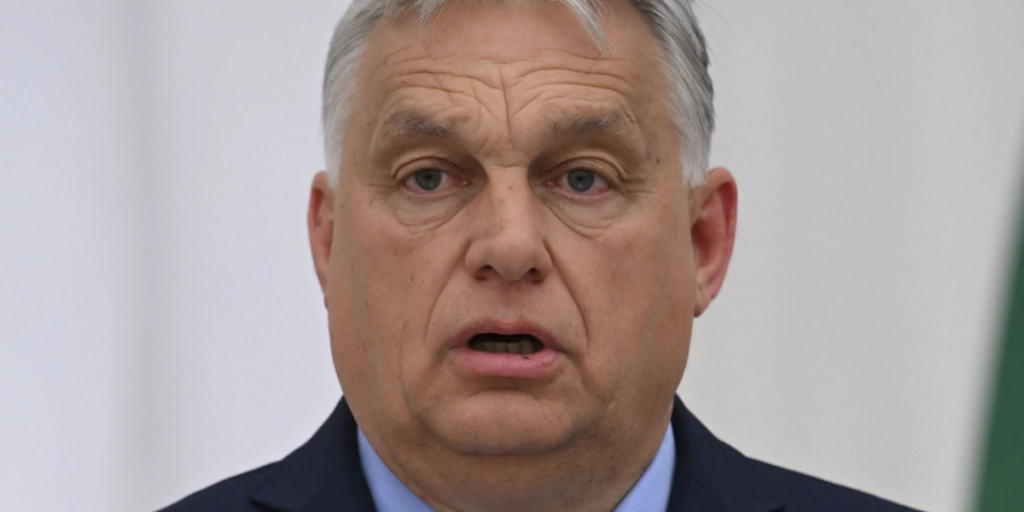
Viktor Orban made Hungary’s stance clear in a video posted on Facebook.
“We are gradually stopping gas deliveries from Hungary to Ukraine and will store the gas that remains with us in Hungary,” he said.
The message signals a shift toward prioritizing domestic energy security.
It also reflects growing frustration within Hungary’s leadership.
The role of the Druzhba pipeline
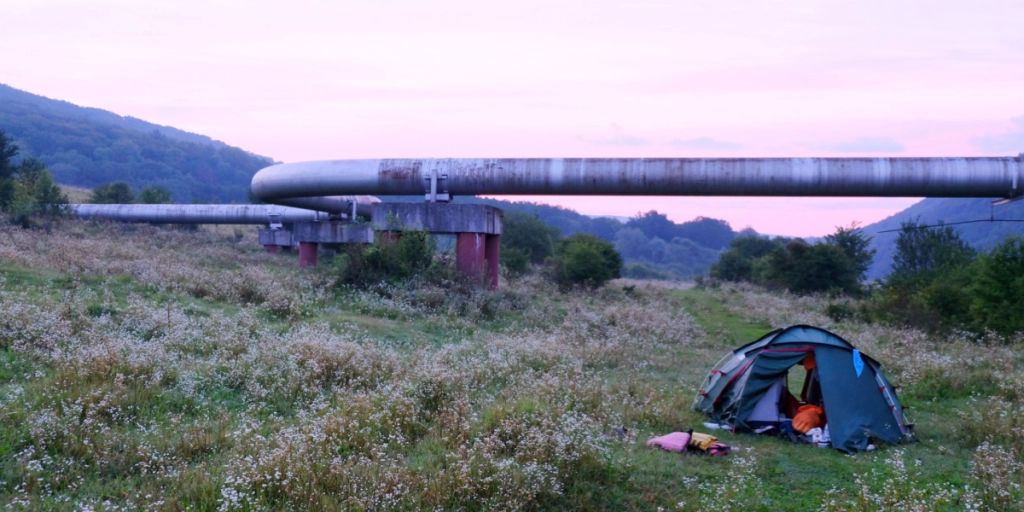
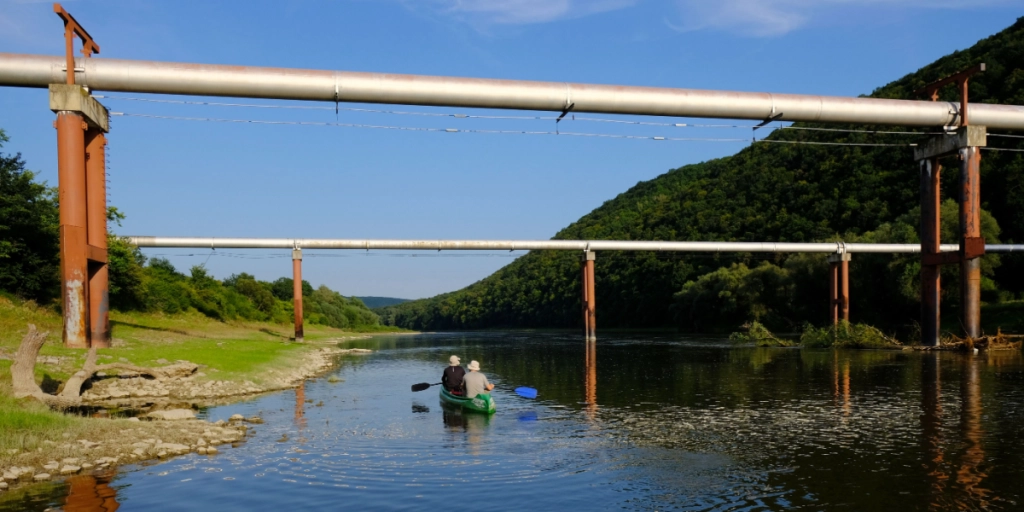
The situation is closely tied to the Druzhba pipeline, a key route for Russian oil into Central Europe.
Hungary and Slovakia have not received oil through the pipeline since January 27.
The disruption has had ripple effects across regional energy supplies.
It remains a central point of dispute between the countries involved.
Ukraine points to drone attack

Ukraine has attributed the pipeline disruption to a Russian drone attack.
According to Kyiv, the damage has made repairs necessary and time-consuming.
President Volodymyr Zelensky has warned that restoring full operations will not happen quickly.
This explanation has not satisfied all parties affected.


Hungary and Slovakia push back
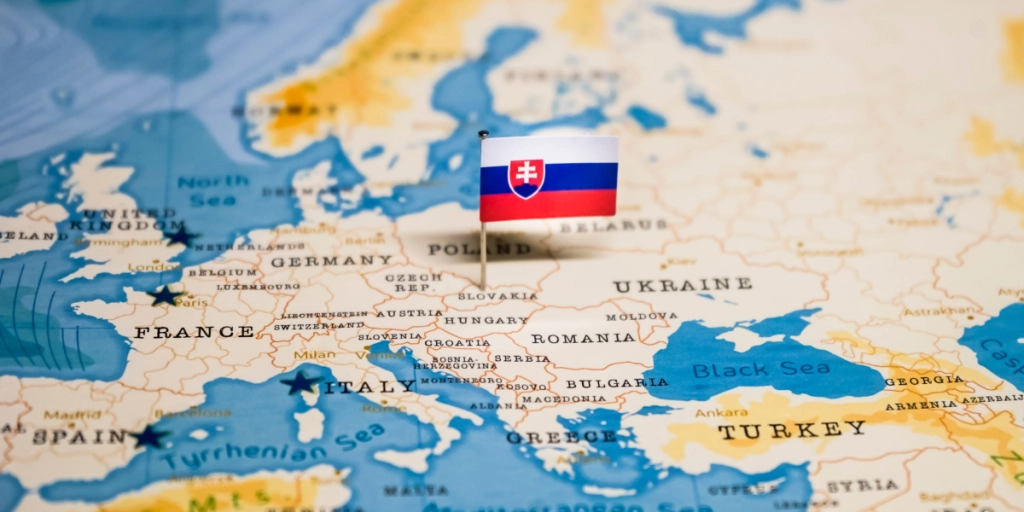
Hungary and Slovakia have challenged Ukraine’s account of the delays.
Both governments argue that repairs are being intentionally slowed.
They suggest the situation is not purely technical.
Instead, they frame it as part of a broader political dispute.
Accusations of political pressure
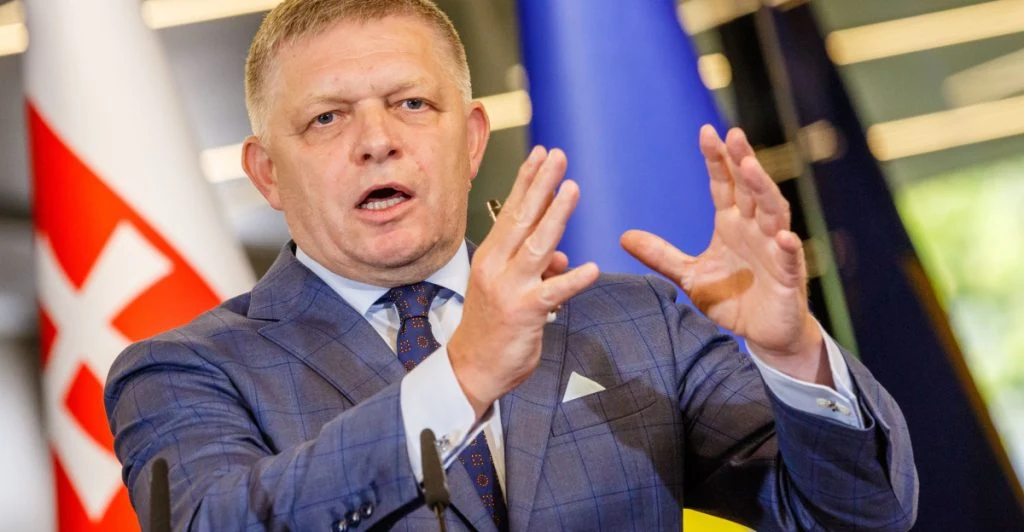
Orban and Slovak Prime Minister Robert Fico have accused Ukraine of using the pipeline as leverage.
They claim the delays amount to blackmail.
According to their view, Ukraine is retaliating against their political positions.
This has deepened divisions within the region.
Disagreement over Ukraine’s EU ambitions

A major source of tension is Hungary’s opposition to Ukraine joining the European Union.
Orban has consistently resisted Kyiv’s accession efforts.
This stance has put Hungary at odds with other EU members.
It also feeds into the current energy dispute.
Energy becomes a political tool
The halt in gas supplies highlights how energy is being used as a strategic instrument.
Both sides appear to be leveraging infrastructure and resources.
This reflects a broader trend across Europe since the start of the war in Ukraine.
Energy security is now tightly linked to geopolitical positioning.
Impact on Ukraine’s supply
Hungary’s decision could further complicate Ukraine’s access to gas.
The country already faces pressure on multiple energy fronts.
Reduced inflows from neighboring states may increase vulnerability.
The long-term effects will depend on how quickly alternative routes are secured.
Domestic priorities in Hungary

Orban’s statement emphasizes a focus on keeping resources within Hungary.
Storing remaining gas domestically suggests concern over future supply stability.
This approach prioritizes national reserves over regional cooperation.
It may resonate with domestic audiences worried about energy shortages.
Slovakia aligns with Hungary
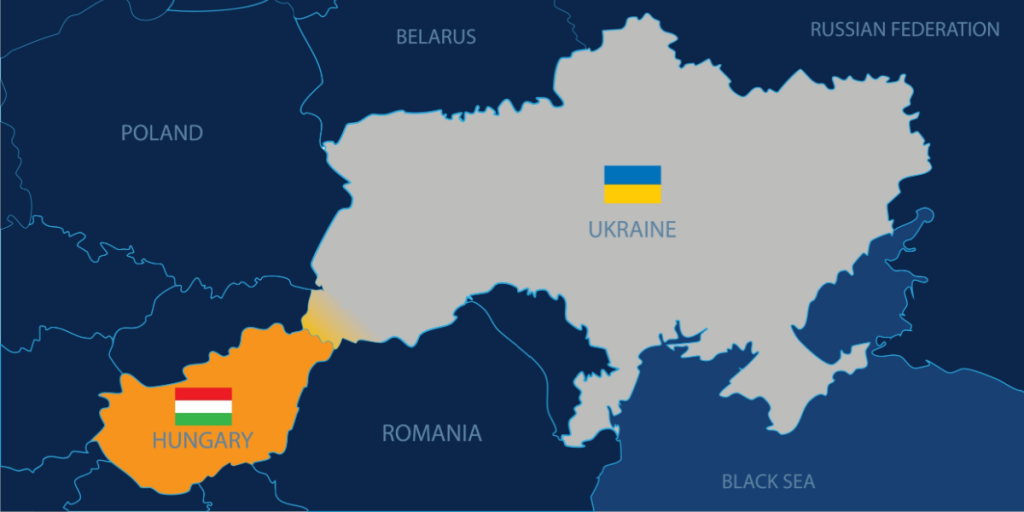
Slovakia has taken a similar stance alongside Hungary.
Prime Minister Robert Fico has echoed concerns about Ukraine’s actions.
The two countries appear increasingly aligned on both energy and political issues.
This partnership strengthens their position within regional debates.
A growing regional divide

The dispute underscores widening divisions in Central and Eastern Europe.
Different countries are taking sharply contrasting approaches to Ukraine.
Energy disputes are becoming entangled with broader political disagreements.
This trend risks further fragmentation within the EU.
Uncertain path forward
With repairs delayed and tensions rising, the situation remains unresolved.
Gas flows from Hungary to Ukraine are now being phased out.
The future of the Druzhba pipeline remains uncertain.
Much will depend on whether political and technical issues can be addressed in tandem.



