Edith Hejberg

“If you’ve got a slightly sluggish digestion, that can be helpful,” Leeming explains.


For many people, reaching for a coffee after a heavy meal feels instinctive. The idea is simple: caffeine might help things move along.
But while coffee can support digestion for some, it is far from a universal fix. Experts say its effects depend heavily on your gut, your habits and your timing.
Why coffee feels like a digestive boost

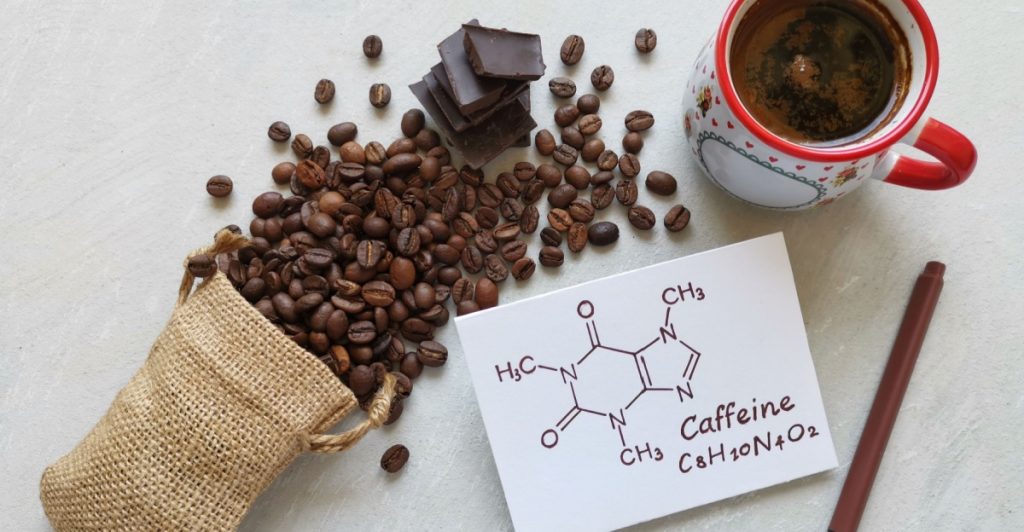
Caffeine stimulates the gut by increasing muscle contractions in the digestive tract. This process, known as gut motility, helps food move through the system more efficiently. For people with slower digestion, this can feel like welcome relief after eating.
What the expert says
“For some people, absolutely,” says Dr Emily Leeming, a dietitian at King’s College London. “But it’s not always a good idea.” Her advice reflects the wide range of ways bodies respond to caffeine.


Helping sluggish digestion
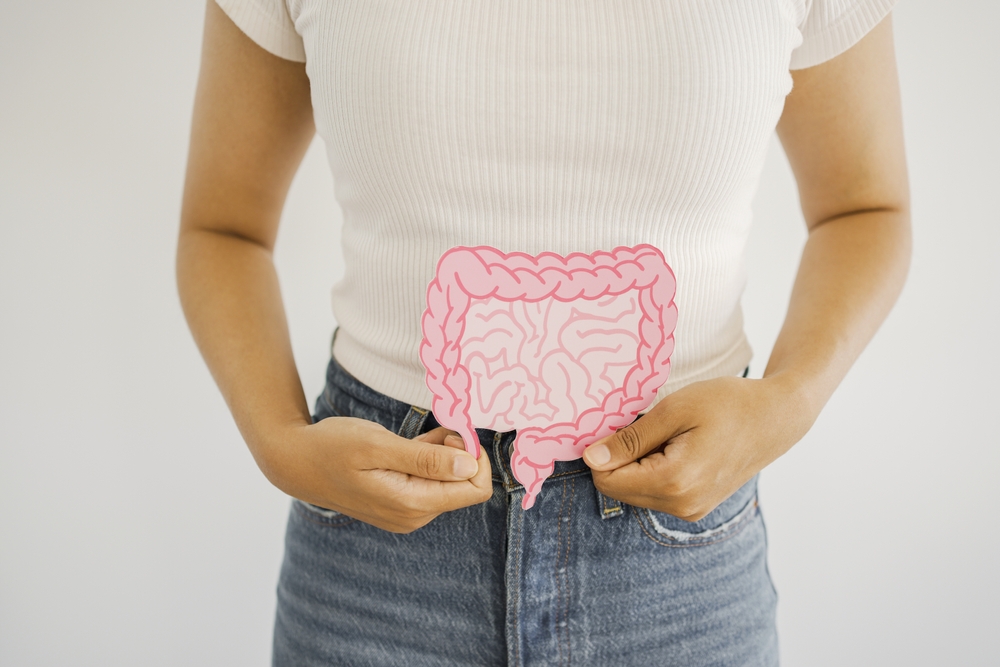
“If you’ve got a slightly sluggish digestion, that can be helpful,” Leeming explains. Coffee can encourage the bowels to work at “a nice pace”, making digestion feel smoother and more comfortable for some people.
When coffee can make things worse
For others, stimulation is not a benefit. “But for others, if you have irritable bowel syndrome, for example, it can backfire,” Leeming says. In these cases, coffee may speed digestion up too much, leading to discomfort or urgency.
Beyond bowel movements

Coffee does more than affect how fast food moves through the gut. Regular consumption has been linked to better overall gut health, especially when coffee is part of a consistent daily routine rather than an occasional habit.
Coffee and the gut microbiome
Studies suggest that habitual coffee drinkers often have a different gut microbiome. This community of trillions of microbes plays a crucial role in digestion and nutrient absorption, and some of the microbes linked to coffee intake are associated with better health.
The role of polyphenols

Coffee is one of the main sources of polyphenols in many diets. These antioxidant compounds are not just good for us directly. They also act as food for beneficial gut microbes, helping them grow and thrive.
A small fibre bonus

While it is not a high-fibre drink, coffee does contain a small amount of fibre. Combined with its polyphenols, this adds another reason it can support gut health when consumed in moderation.
Why timing really matters
When it comes to using coffee as a gut health tool, timing is key. Leeming points out that gut health is closely linked to the health of other body systems, including sleep and metabolism.
The long life of caffeine

Caffeine has a long half-life and can stay in the body for up to 12 hours for some people. This means an afternoon coffee may still be affecting your system late into the evening, even if you feel fine at the time.
Sleep, coffee and your gut

Poor sleep is linked to poorer gut health, Leeming says. Disrupted sleep can also lead to grogginess and less healthy food choices the next day, which can further harm the gut.
The expert’s simple advice

Leeming recommends sticking to caffeinated coffee before noon. After that, switching to decaf or herbal tea can help protect sleep while still letting you enjoy a warm drink without upsetting your digestion.