Edith Hejberg

Participants who reduced unhealthy food intake over a decade saw clear gains.


A new study suggests that eating more plant-based foods can help lower the risk of cognitive decline.
The benefit appears even for people who begin changing their diet later in life.
Whole grains, fruits, and vegetables stand out as key contributors to better brain health.
The findings add to growing evidence linking diet and long-term cognitive function.
It’s not too late to start eating better

Researchers emphasize that timing is flexible when it comes to diet changes.
“It’s never too late to start eating healthy to lower the risk of Alzheimer’s disease and related dementias,” said senior author Unhee Lim.
People in their late 50s and 60s still saw meaningful benefits after improving their diets.
This challenges the idea that prevention must start early in life.
Cutting unhealthy foods makes a difference

Participants who reduced unhealthy food intake over a decade saw clear gains.
Their risk of Alzheimer’s and dementia dropped by 11% compared to those who made no changes.
The study highlights how gradual improvements can still lead to measurable outcomes.
Even modest dietary shifts appear to matter over time.
Not all plant-based diets are equal

Simply eating plant-based foods is not enough to protect the brain.
Highly processed plant foods can still harm overall health.
Refined grains and sugary products fall into this less healthy category.
Quality, not just category, is key when choosing foods.


Unhealthy plant foods may increase risk

The study found a striking downside to poor plant-based choices.
People who consumed more low-quality plant foods had a 25% higher risk of dementia.
These foods often include added sugars and refined ingredients.
This shows that plant-based eating can backfire if done poorly.
Experts highlight the importance of diet quality

Specialists agree the findings reinforce a broader message about nutrition.
“The findings suggest that both plant-predominant eating and high diet quality help protect brain function as we age,” said Dr. David Katz.
Focusing on whole, minimally processed foods is essential.
A balanced approach appears to offer the strongest protection.
What counts as a healthy plant-based diet

A plant-based diet simply means prioritizing plants over animal products.
However, that definition can include both healthy and unhealthy choices.
A diet filled with processed vegan foods may still damage health.
The study aimed to separate these differences clearly.
Examples of poor plant-based choices

Not all plant-based meals support brain health.
Highly processed breakfasts, fast-food veggie meals, and sugary drinks can do harm.
Refined pasta, sweet sauces, and packaged desserts also fall short.
These foods may meet the “plant-based” label but lack real nutritional value.
How the study measured diet quality

Researchers followed nearly 93,000 people with an average age of 59.
Participants came from diverse ethnic backgrounds.
Diet quality was assessed at the start and again after 10 years.
Foods were grouped into tiers based on their health impact.
Breaking down the three diet tiers

The lowest tier included animal fats, meat, dairy, and eggs.
The middle tier covered less healthy plant foods like refined grains and added sugars.
The top tier featured whole grains, fruits, vegetables, nuts, and legumes.
These top-tier foods offered the strongest protection for brain health.
Why some plant foods fall short
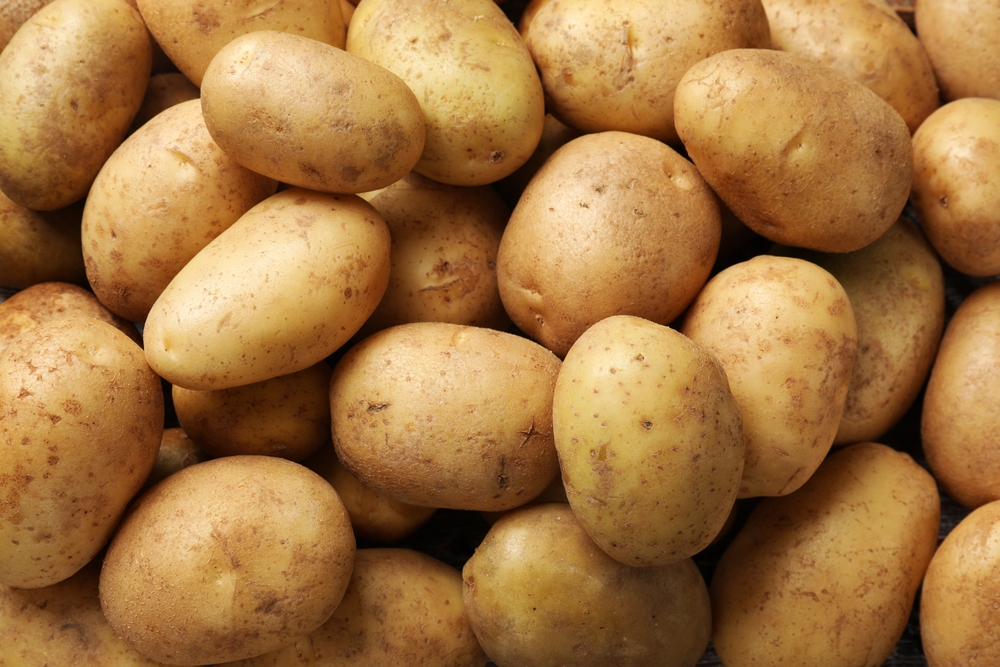
Certain plant foods can still cause blood sugar spikes.
Potatoes and fruit juices, for example, break down quickly into sugars.
Whole fruits are better because fiber slows sugar absorption.
Preparation methods also matter, especially when frying or adding fats.
The strongest benefits come from whole foods

Among people eating the healthiest plant foods, those who ate the most saw a 7% lower dementia risk.
In contrast, those consuming more unhealthy plant foods had a 6% higher risk.
“We found that adopting a plant-based diet, even starting at an older age, and refraining from low-quality plant-based diets were associated with a lower risk of Alzheimer’s and other dementias,” said Song-Yi Park.
The results underline the importance of food quality.
Benefits extend beyond brain health

Healthy plant-based diets are linked to broader health gains.
They may reduce the risk of diabetes, heart disease, and high blood pressure.
Such diets also support weight management and metabolic health.
“Our findings highlight that it is important not only to follow a plant-based diet, but also to ensure that the diet is of high quality,” Park said.
A diet that helps people and the planet

Research also connects plant-based eating with longer life and environmental benefits.
A global report found this approach can cut premature death risk by nearly one-third.
It also reduces greenhouse gas emissions.
“The findings show just how linked human and planetary health are. Eating healthfully boosts environmental sustainability, which in turn is essential for the health and well-being of every person on Earth,” said Dr. Walter Willett.