
 Kenneth Glad
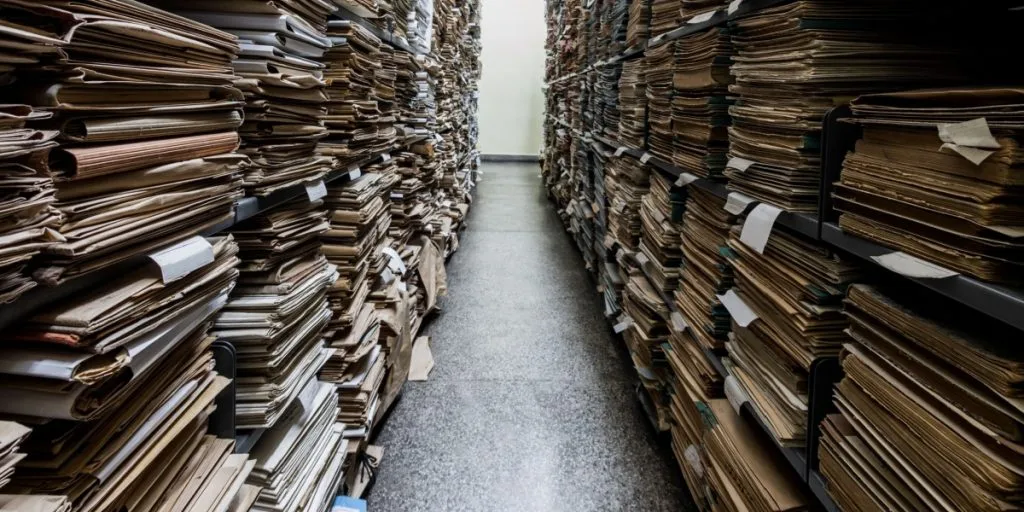
A legal challenge has pushed Swiss authorities toward opening records kept from public view for decades. The material may not resolve every suspicion, but historians say the secrecy itself has become part of the story.


Historian Gérard Wettstein has helped force new attention onto long-sealed records linked to Josef Mengele, the Nazi SS doctor responsible for selections and experiments at Auschwitz.
According to the BBC, the Swiss Federal Intelligence Service has now said access to the file will be granted, although it has not yet explained what restrictions may apply.
Wettstein had challenged the decision to keep the records closed until 2071. He told the BBC: “It seemed ridiculous. As long as they are closed until 2071, it fuels conspiracy, everyone says ‘they must have something to hide’.”
His legal challenge also drew crowdfunding support, showing that interest in the case extends beyond historians and archival researchers.


Unresolved past
The dispute is not only about whether Mengele passed through Switzerland after the war. It also points to wider questions about Swiss neutrality, wartime conduct and postwar accountability.
Switzerland has long faced scrutiny over its treatment of Jewish refugees during World War II and over the role of Swiss banks in holding assets linked to families later murdered in Nazi camps.
For historians, closed files connected to a major Nazi fugitive remain especially sensitive.
Mengele escaped Europe in 1949 using Red Cross travel papers issued under a false identity in Genoa. The papers were intended for people displaced or made stateless by the war, but Nazi fugitives also managed to obtain them.
The International Committee of the Red Cross later apologised for the misuse of those documents.
Zurich connection
Mengele is known to have taken a skiing holiday in Switzerland with his son in 1956. The unresolved question is whether he returned after an international warrant for his arrest was issued in 1959.
Historian Regula Bochsler found that Austrian intelligence warned Switzerland in 1961 that Mengele might be travelling under an assumed name and could be in the country.
At around the same time, his wife had rented an apartment in Zurich and applied for permanent residency.
“There seems to be evidence Mengele was planning a trip to Europe in 1959. Why did Mrs Mengele rent an apartment in Zurich?” Bochsler said to the British network.
The apartment’s location has drawn attention because it was close to the international airport, even though the family had enough money to live in a more expensive area.
What may emerge
Some historians doubt the files will definitively prove whether Mengele was in Switzerland in 1961.
Sacha Zala, president of the Swiss Society for History, said that he believes the records may instead contain references to foreign intelligence services or informants.
That could explain why authorities have resisted full disclosure. By the late 1950s and early 1960s, Israeli agents were pursuing Nazi fugitives abroad, and intelligence contacts may have appeared in Swiss records.
Jakob Tanner, a Swiss historian who worked on the Bergier Commission examining Switzerland’s wartime role, said the case reflects a broader tension:
“It’s a conflict between national security and historical transparency, and the former often prevails in Switzerland.”
Lingering doubts
Mengele was never arrested or tried. He died in Brazil in 1979 and was buried under a false name. His body was later exhumed, and DNA testing confirmed his identity in 1992.
Wettstein has warned that the file could be heavily censored: “Maybe we will never get to the real truth. We will never know if he was here or not… but maybe we can have at least a clearer idea.”
For now, the decision to open the archive matters because it moves the issue from rumour toward evidence, even if the evidence proves incomplete.
Sources: BBC



