
 Edith Hejberg
From James Madison to Gerald Ford, five other U.S. presidents made efforts,some bold, others secret, to either buy or control the vast Danish territory.


For more than 200 years, Greenland has held an irresistible allure for the United States. Though Donald Trump’s 2019 offer made headlines, the icy island had captured Washington’s imagination as early as 1814.
From James Madison to Gerald Ford, five other U.S. presidents made efforts,some bold, others secret, to either buy or control the vast Danish territory. Beneath every attempt lies the same strategic desire: securing American geopolitical dominance and access to untapped Arctic resources.
Madison and the Treaty of Ghent: a missed opportunity

In 1814, as James Madison’s administration helped negotiate the Treaty of Ghent, which ended the War of 1812, American officials briefly considered Greenland. At the same time, the European powers hammered out the Treaty of Kiel, splitting Denmark and Norway and granting Denmark full control of Greenland.
Though Madison’s government never formally pursued it, the island’s strategic value was noted even then, a silent beginning to an enduring American interest.


The Alaska model: Johnson’s unrealised vision

President Andrew Johnson, who oversaw the U.S. purchase of Alaska from Russia in 1867, wanted to go further. His Secretary of State, William Seward, floated an offer to buy both Greenland and Iceland for $5.5 million. While foreign negotiations went well, Congress refused to support the plan.
The political mood in Washington had shifted, and the proposal died on the Hill. Still, it set a pattern: presidents eyeing Greenland, only to be blocked at home.
Taft’s bold trade: Greenland for Mindanao
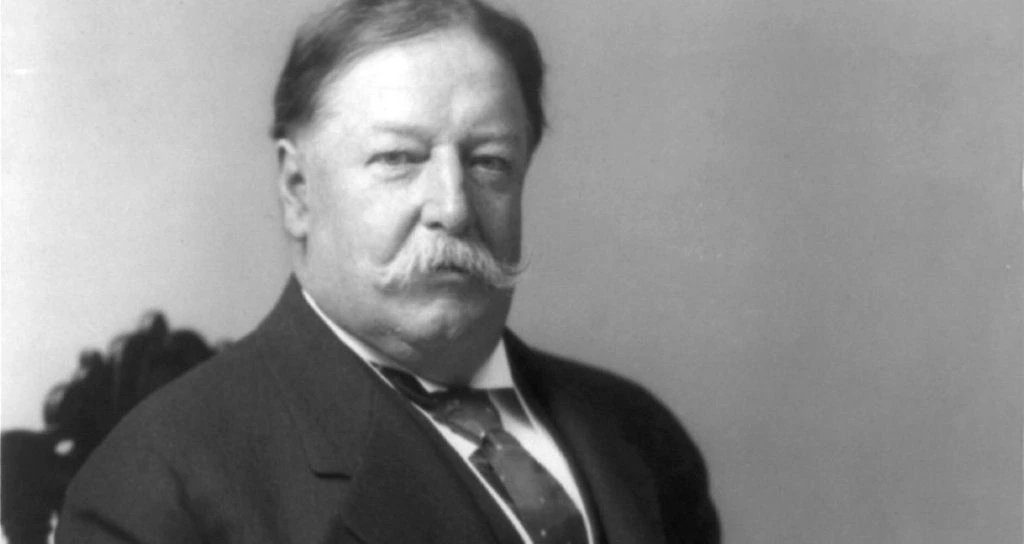
In 1910, President William Taft backed an unusual diplomatic trade. His ambassador to Denmark suggested giving up Mindanao, then a U.S. territory in the Philippines, in exchange for Greenland and the Danish West Indies.
While Denmark showed some interest, the plan ultimately faltered. The U.S. did, however, purchase the West Indies in 1917, now the U.S. Virgin Islands, but Greenland, once again, slipped through Washington’s fingers.
Roosevelt’s wartime grab
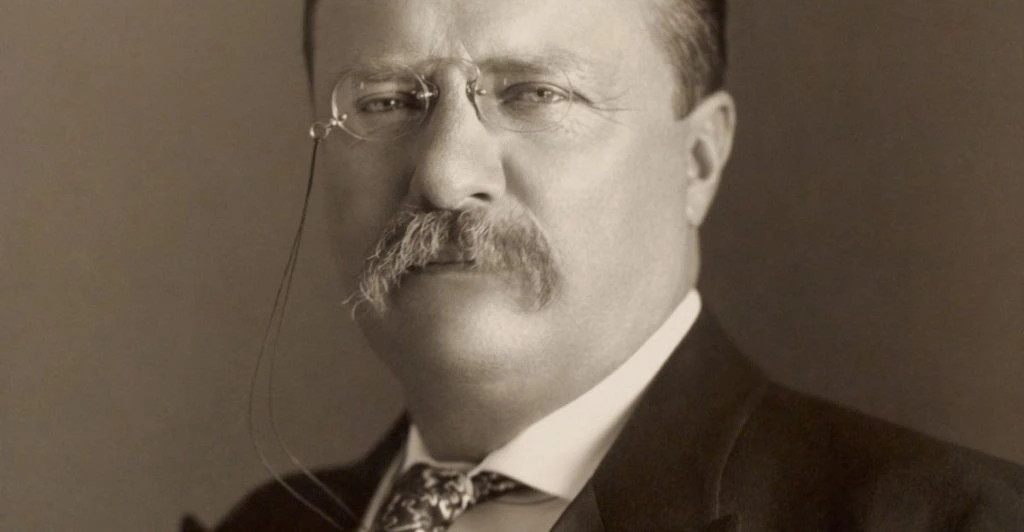
During World War II, with Denmark under Nazi occupation, the U.S. took de facto control of Greenland. President Franklin D. Roosevelt justified the move on national security grounds, fearing a German military presence in the North Atlantic.
It was a wartime exception, not a permanent acquisition, but it marked the first time America controlled the island in practice. After the war, control was handed back to Denmark, but a precedent had been set for acting unilaterally when needed.
Truman’s secret offer: $100 million in gold
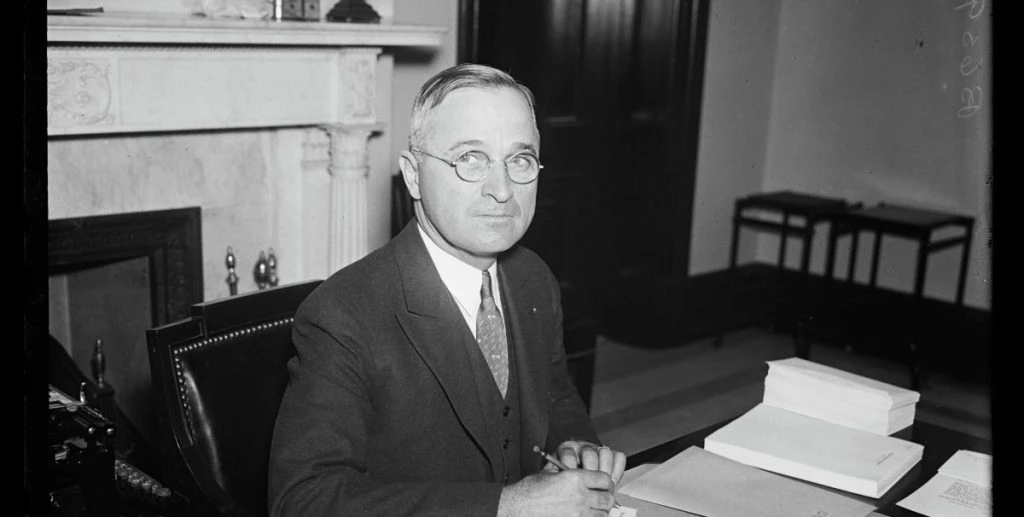
In 1946, President Harry Truman made the most serious and secretive push to buy Greenland. Backed by a State Department task force, the U.S. offered Denmark $100 million in gold for the island.
The reasoning was blunt: Greenland was vital to America’s Cold War security, and Denmark wasn’t making use of it. Denmark declined but allowed the U.S. military to stay, leading to the long-standing presence at Thule Air Base, later known as Pituffik.
Eisenhower’s Cold War buildup
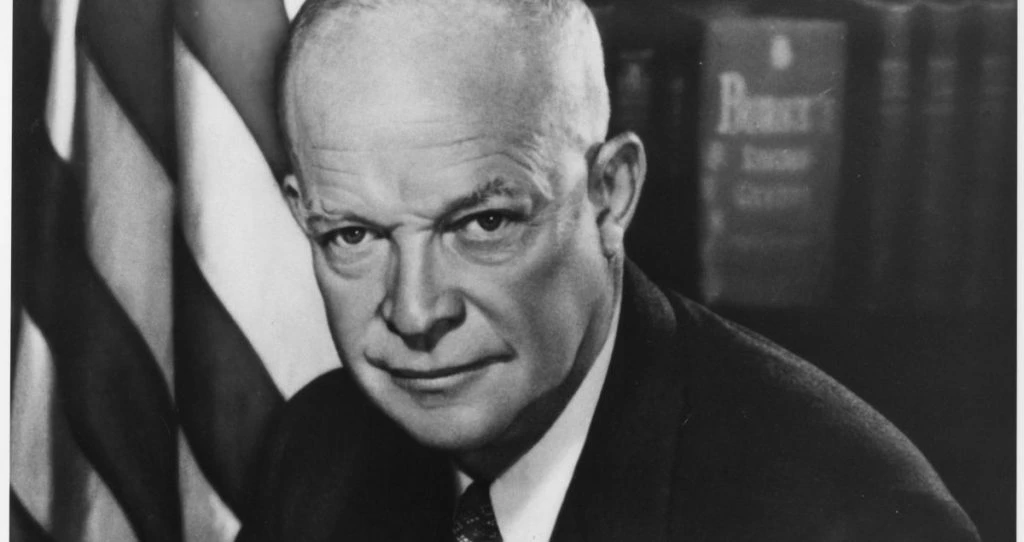
Under President Dwight D. Eisenhower, Greenland became a front line in the Cold War. Operation Blue Jay saw the construction of a massive air base at Thule in the island’s far north. At its peak, 10,000 Americans and 1,000 Greenlanders worked there.
The U.S. also envisioned Project IceWorm a plan to hide 600 nuclear missiles beneath the ice. Though never realised, it highlighted just how far Washington was willing to go to cement its hold on Greenland’s strategic terrain.
Ford and Rockefeller’s quiet diplomacy

In the 1970s, Gerald Ford’s administration, guided by Vice President Nelson Rockefeller, floated new ideas for securing Greenland’s cooperation. While no purchase was attempted,
Ford followed the longstanding tradition of pushing hard behind the scenes without publicly challenging Denmark’s sovereignty. Though ultimately unsuccessful, these efforts showed a continued, bipartisan American desire to bring Greenland closer into its orbit.
Trump revives the dream

In 2019, President Donald Trump stunned the world by publicly floating an offer to buy Greenland. According to reports, the idea came from his longtime friend Ronald Lauder, who told him no president had succeeded in acquiring the island.
The appeal to Trump’s ego resonated. He reportedly believed that owning Greenland would secure his place in history above his predecessors. His approach, however, was combative, laced with threats, trade tariffs, and diplomatic pressure.
A new tone, a familiar goal

Unlike past presidents, Trump’s pursuit of Greenland veered into public spectacle and brinkmanship. He dismissed the value of treaties, insisting that “property is more solid.” In interviews, he suggested that U.S. action in Greenland was inevitable, whether allies liked it or not.
His aggressive rhetoric even included threats of trade wars with Europe and friction with NATO. This marked a dramatic departure from previous administrations’ more discreet handling of Denmark’s sovereignty.
Europe pushes back

Trump’s tactics rattled European allies. The European Union warned of economic retaliation, fearing that Trump’s power play could embolden Russia’s own territorial ambitions.
Comparisons to Putin’s miscalculated invasion of Ukraine were raised. While U.S. strategic interests in Greenland are longstanding, Trump’s confrontational style was seen as reckless, undermining transatlantic trust and stirring fears of escalating global tension.
The limits of ownership

One of the key lessons from past attempts is that the U.S. doesn’t need to own Greenland to benefit from it. From Truman to Eisenhower, military access and security arrangements achieved American goals without full sovereignty.
Trump, however, dismissed these legal structures, arguing that only property ownership would suffice. His stance ignored the long-standing practice of cooperation with Denmark and dismissed international norms in favour of personal ambition.
Geopolitics meets personality
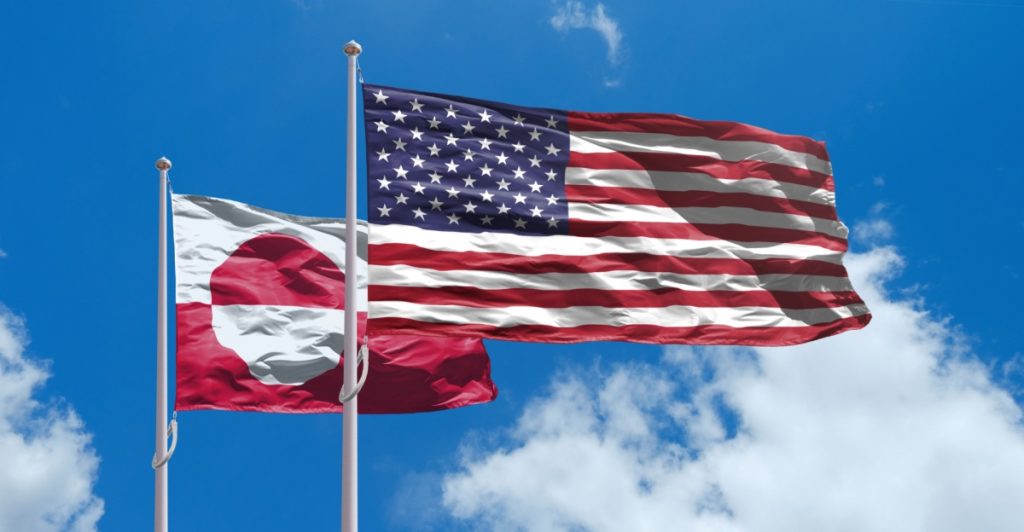
Ultimately, Trump’s pursuit of Greenland may say as much about his own psychology as it does about American strategy. While his predecessors pursued the island quietly and pragmatically, Trump framed it as a personal conquest.
His desire to succeed where others had failed, Madison, Johnson, Taft, Truman, Ford, fused national interest with personal legacy. The result: an unpredictable mix of diplomacy, ego, and geopolitical rivalry.
What history tells us

The story of America’s interest in Greenland is not new, but Trump’s approach is. Where others negotiated, he threatened. Where others respected Denmark’s choices, he questioned the legitimacy of their sovereignty.
Yet across two centuries, one theme remains: Greenland is seen as a key to America’s security future. Whether through cooperation or conflict, the icy island isn’t leaving Washington’s sights anytime soon.



