
 Camilla Jessen
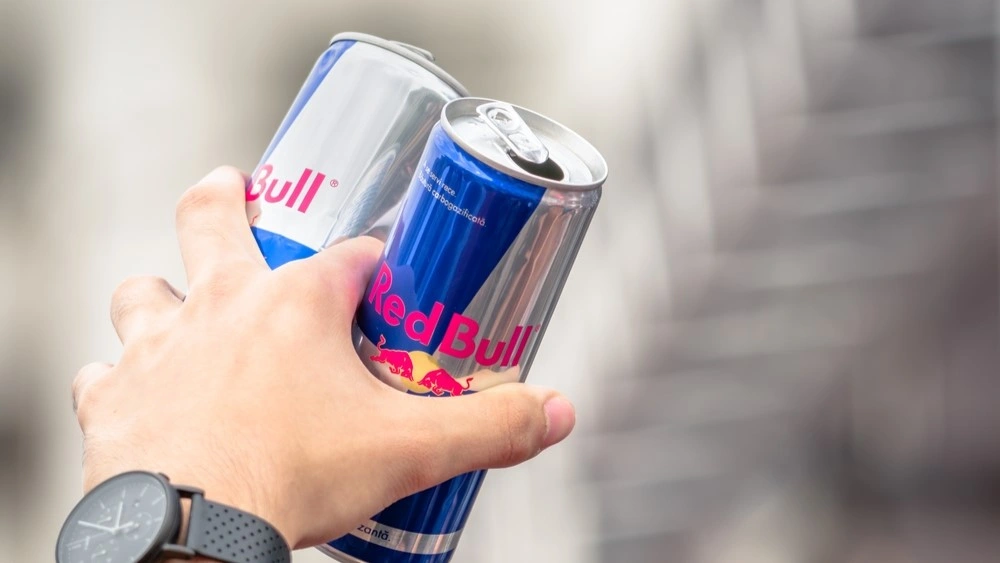
What happens to your body when you drink energy drinks every day.


Energy drinks have become a daily habit for many, often replacing coffee as a quick source of energy.
But health experts warn that regular consumption may come with trade-offs.
With brands like Red Bull, Monster and Celsius dominating shelves, these drinks are widely marketed as convenient energy solutions.
Energy drinks are typically high in caffeine, often ranging from 80 to 200 milligrams per can.


Some research suggests caffeine can improve alertness, reaction time and physical performance.
Dietitians say this is why many people rely on them for workouts or long workdays.
Impact on the body
However, experts warn that high caffeine intake can strain the nervous system.
“Large amounts of caffeine and other stimulants in energy drinks may be harmful to the nervous system, such as increasing blood pressure, heart rate and breathing,” said Patricia Bannan, M.S., RDN.
Regular use may also lead to anxiety, jitters and sleep problems.
Risk of dependence
Daily consumption can lead to caffeine dependence, meaning users may need increasing amounts to feel the same effect.
“Becoming dependent on energy drinks to keep your energy levels up is a real concern,” said dietitian Caroline Thomason.
Experts also note that caffeine levels are not always strictly regulated, making intake harder to track.
Sugar spikes
Many energy drinks contain high levels of added sugar, often meeting or exceeding daily recommended limits.
This can cause a rapid rise in blood sugar followed by a crash, leaving users feeling more fatigued.
Choosing sugar-free versions may reduce this effect, though they come with separate considerations.
Who should avoid them
Health experts say energy drinks are not suitable for everyone.
Children, teenagers, pregnant or breastfeeding women and those mixing them with alcohol are advised to limit or avoid them.
Dietitians emphasize that occasional consumption is generally safe for most adults, provided total caffeine intake stays below 400 milligrams per day.
They recommend alternatives such as water, tea or coffee, along with lifestyle habits like proper sleep and hydration to maintain energy levels.
While energy drinks can offer a temporary boost, experts say relying on them daily may do more harm than good over time.
Sources: Registered dietitians, USDA guidance, Nutrients



