
 Kenneth Glad
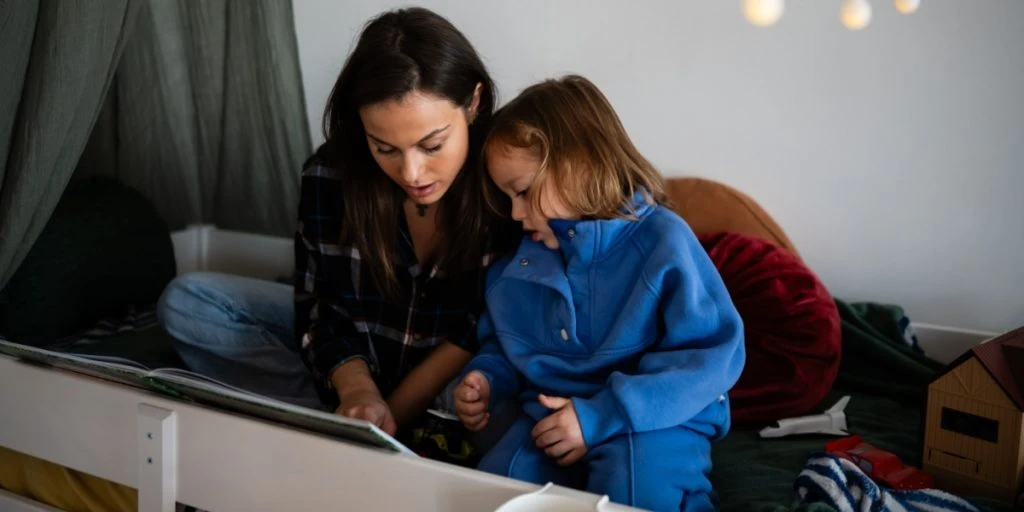
At a neighborhood café in São Paulo, conversations between parents can sound more like strategy sessions than small talk. Schools, rankings and achievements dominate the table. Yet just as noticeable is a quieter countertrend. Some families are stepping away from the idea that childhood must double as a performance.


Across many countries, parenting has become increasingly visible. Milestones are shared online, schedules are tightly managed, and progress is often measured against others.
Ainura Kalau, writing for Global English Editing, highlights a different approach. In some homes, parents avoid spotlighting success altogether. Life unfolds without constant comparison or the need to showcase results.
Children in these settings are less focused on proving themselves through outcomes. Instead, they absorb how adults behave in everyday situations, especially when things go wrong.
Studies in developmental psychology suggest, according to the American Psychological Association, that children tend to mirror emotional patterns they repeatedly observe.


When adults handle pressure calmly and without theatrics, that response often becomes embedded over time.
When everything counts
In more competitive environments, however, nearly every activity can feel like it carries weight. From structured hobbies to school performance, signals of success are everywhere.
Kalau points to situations where children are introduced through their accomplishments. That framing, she argues, subtly teaches them what matters most – at least in the eyes of their parents.
Her observation cuts to the core: “Children of competitive parents rarely know what they actually want.” Instead, she writes, they become attuned to “what earns praise.”
This distinction shapes behavior. If recognition depends on output, then slowing down can feel uncomfortable. For some, even a quiet afternoon carries a sense of falling behind.
Psychologists have linked this dynamic to rising anxiety among young people, particularly in high-pressure academic environments in cities like London and New York, where expectations can start early and intensify quickly.
What carries forward
The effects of quieter parenting tend to appear later, and less dramatically. People raised without constant comparison often approach life with a steadier baseline.
They listen without trying to steer conversations. When things go wrong, they adjust rather than spiral.
And they are usually more comfortable not having all the answers.
This may be where the real divide sits. Not in achievement, but in how uncertainty is handled. In homes where adults admitted limits and moved forward anyway, ambiguity becomes manageable rather than threatening.
More broadly, this raises a difficult question for modern parenting culture. If confidence is built through repeated validation, what happens when that validation disappears?
Or put more bluntly: if everything feels important early on, it becomes harder to tell what actually is.
The quieter model does not promise exceptional outcomes. What it seems to offer instead is something less visible, but more durable, a sense of self that does not depend on constant confirmation.
Sources: Global English Editing, American Psychological Association



