
 Kenneth Glad
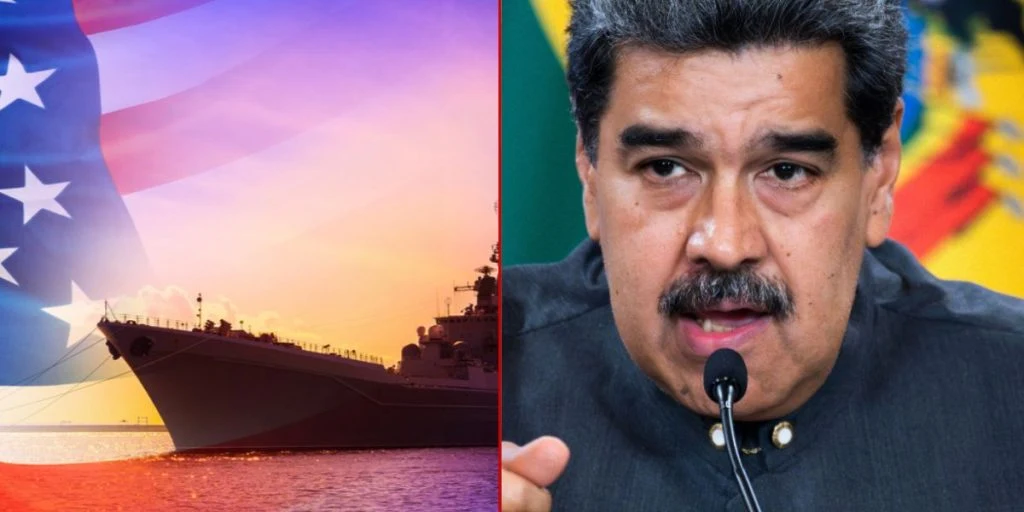
What the Pentagon’s Budget Reveals About the Maduro Operation.


Conflicts add extra costs. That warning from Mark Cancian of the Center for Strategic and International Studies cuts to the heart of the debate now unfolding in Washington after U.S. forces captured Venezuelan President Nicolás Maduro in early January.
The helicopter raid that removed Maduro and his wife, Cilia Flores, from Caracas lasted only hours. The financial footprint behind it stretched across months, as documented by CSIS.
Reporting by Romanian media outlet Digi24, based on a detailed Bloomberg analysis, found that the operational cost of U.S. naval vessels deployed to the Caribbean climbed above $20 million per day during the peak period from mid-November to mid-January.
Those figures were derived from Pentagon operating data and Congressional Budget Office cost models, and largely reflect ship operating expenses.


The administration has maintained that the mission did not require new appropriations because the forces were already deployed and funded under the existing defense budget.
That distinction matters
Cancian noted, writes Digi24, that “There are no emergency funds in the Department of Defense budget for unforeseen operations.”
When operations intensify, costs rise inside the same topline budget through additional flight hours, extended deployments and replenished munitions.
Bloomberg estimated that the broader Southern Spear deployment, which preceded the Maduro raid known as Operation Absolute Resolve, has likely cost about $2 billion since August 2025. That calculation focuses on incremental operating costs, such as extra days at sea and aircraft usage.
Separate figures referenced by the Romanian outlet placed the total closer to $3 billion. Those higher estimates appear to incorporate a wider set of expenses, including sustained air patrols, fuel consumption, logistical support and deployment-related personnel benefits. The totals vary depending on what categories are included.
One Senate aide familiar with internal discussions described the accounting approach as “budget smoke and mirrors,” reflecting frustration that no single comprehensive figure has been presented publicly.
Lawmakers seek clarity
Members of the Senate Armed Services Committee have said they have not received a formal Pentagon cost breakdown. That absence of clarity could sharpen oversight hearings in the coming months.
The scale of the buildup reflected more than a single arrest mission. U.S.–Venezuela relations have deteriorated for years over sanctions, narcotics indictments and contested elections.
Bloomberg reported that the USS Gerald R. Ford carrier strike group alone carried an estimated daily operating cost of roughly $11.4 million, alongside amphibious ships such as the USS Iwo Jima.
Several vessels initially scheduled for NATO exercises and other deployments were redirected to the Caribbean, according to Bloomberg’s tracking of ship movements, narrowing U.S. flexibility elsewhere as other global tensions persisted.
The raid may have been brief. The financial and strategic ripple effects are not.
Sources: Digi24, CSIS



