
 August M
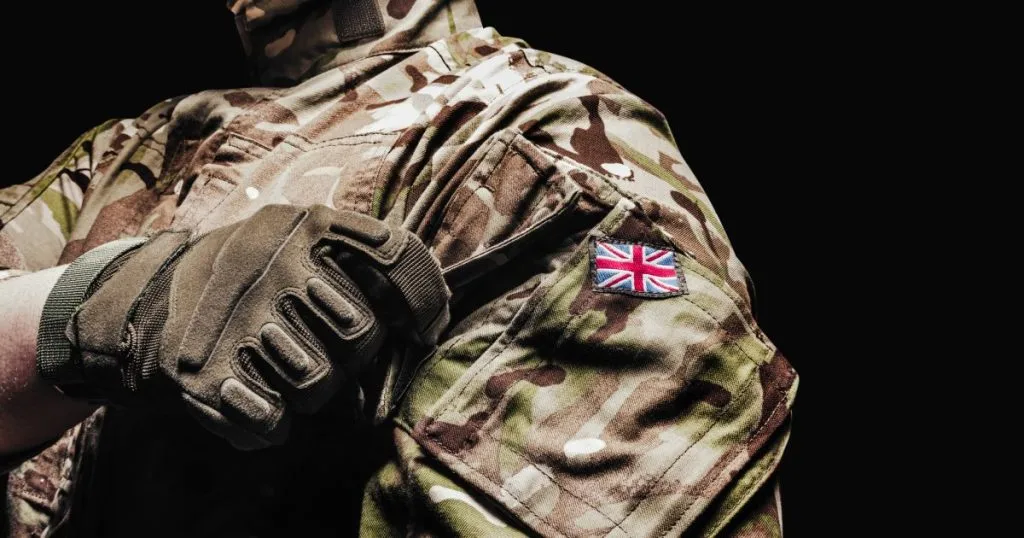
Military strategies are shifting rapidly as modern warfare evolves on the global stage.


For decades, heavy armor and massive tanks defined the front lines of international defense. Now, smaller and more agile technologies are completely changing how soldiers prepare for potential conflict, reports The Express.
Simulating the strike
British soldiers stationed on the eastern border of Europe are testing highly advanced military equipment. As part of a major deterrence mission in Estonia, troops have rehearsed using new jet-powered tools to target key regions.
The military is using specialized Nyan drones that cost eighty thousand pounds each. These uncrewed aircraft can fly more than 150 miles, which puts major urban hubs well within their range. According to The Express, soldiers tested whether the weapons could reach the childhood home city of Vladimir Putin during recent wargames.
The one-way attack drones are designed to destroy critical targets like command posts and oil depots. However, flying them requires navigating complex defenses. A gunner from the Royal Artillery opened up to The Sun about the technical challenges of the exercise.


“On an exercise we tested whether it can reach St Petersburg from here. It all depends on enemy air defences and electronic warfare, which affects how much we would have to dog-leg around,” the soldier told The Sun.
Shifting the line
This new technology marks a massive change for the British military presence in the region. Starting next April, these high-tech drones will officially replace the heavy Challenger 2 tanks currently stationed in Estonia.
The military plans to increase its troop presence from 800 soldiers to 1,200 as they transition into a new mobile force. According to The Express, the Ministry of Defence stated the changes “reflect the realities of modern conflict” on the ground. Officials noted the updated unit will be able to “deploy, disperse and demonstrate combat readiness more rapidly than a traditional armoured formation” during operations.
The tactical adjustment comes amid growing warnings about international stability. The head of NATO recently warned that regional conflicts could escalate by the end of the decade. Leaders view the Baltic states as the most vulnerable target for potential aggression.
The shift highlights a new philosophy in defense. Heavy vehicles still hold value, but remote weapons offer new options. Speaking to The Sun, a senior military source summed up the new approach. “A tank can deny Russia ground, a drone can punish them,” the source stated.
Sources: The Express, The Sun



