Kathrine Frich
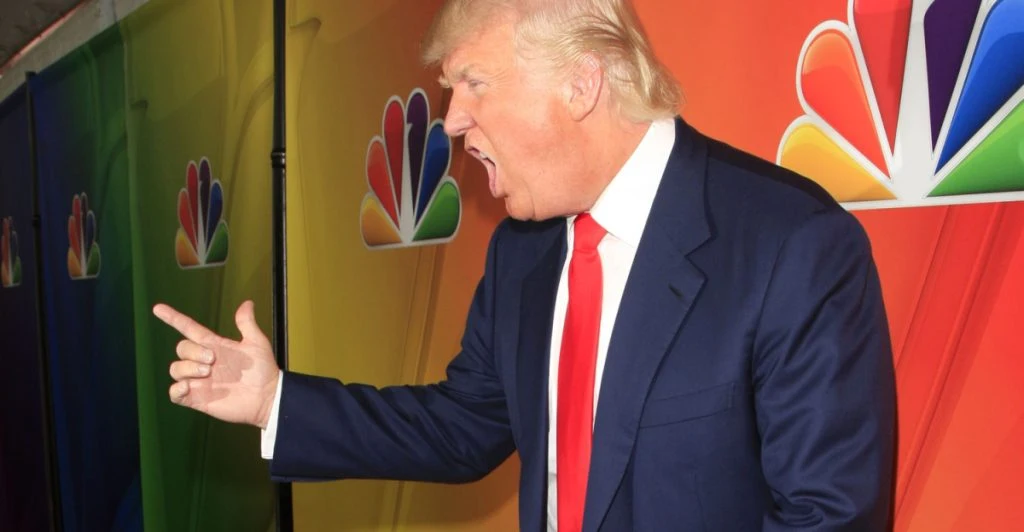
Presidential powers in the United States are tightly defined,


There is clear constitutional mechanisms in place for situations where a leader may be unable to perform their duties.
While rarely used, these provisions remain a key safeguard within the political system.
A recent controversy has brought one of those mechanisms back into focus.
Controversial remarks
Donald Trump has faced criticism following a social media post about the ongoing conflict with Iran, according to reporting by LADbible.


In the post, he warned of further military action, writing: “There will be nothing like it!!! Open the Fckin’ Strait, you crazy bstards, or you’ll be living in Hell – JUST WATCH! Praise be to Allah.”
The comments came amid tensions over the Strait of Hormuz, which Iran has reportedly closed, and calls from Trump for allies to assist in reopening it.
Political backlash
The remarks drew criticism from both political opponents and some allies.
Democratic Senator Chris Murphy said: “If I were in Trump’s Cabinet, I would spend Easter calling constitutional lawyers about the 25th Amendment. This is completely, utterly unhinged. He’s already killed thousands. He’s going to kill thousands more.”
Republican congresswoman Marjorie Taylor Greene also criticized the comments, writing: “This is NOT what we promised the American people when they overwhelmingly voted in 2024.”
She added: “This is not making America great again, this is evil.”
Amendment explained
The debate has centered on the 25th Amendment to the US Constitution, which outlines procedures for replacing a president.
Its fourth section allows the vice president and cabinet to declare a president unable to carry out their duties.
In such a case, the vice president would assume power.
Removal process
If invoked, the president could contest the decision by declaring themselves fit for office.
The vice president and cabinet would then have four days to reaffirm their position, triggering a vote in Congress.
A two-thirds majority would be required to permanently remove the president from power.
The amendment has never been used to remove a sitting president against their will.
It is primarily intended for situations involving incapacity rather than political disagreement.
Click to display external content from twitter,
– You can always enable and disable third-party content.