
 Kenneth Glad
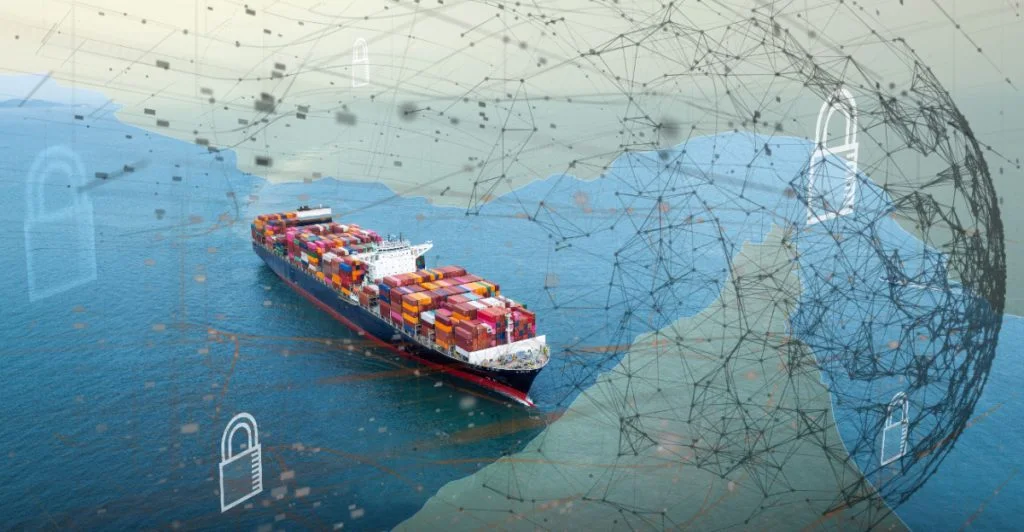
Military pressure and backchannel diplomacy are colliding in the Strait of Hormuz, leaving global shipping in a state of uncertainty. Vessel movements have not stopped entirely, but they remain limited, uneven, and increasingly difficult to verify. The result is a fragmented picture where official accounts and commercial tracking do not fully align.


The US naval blockade targeting ships tied to Iranian ports has sharply reduced traffic, at least on paper. US Central Command said vessels were initially turned back and compliance was high in the early phase.
However, shipping records reviewed by the BBC indicate a modest but steady trickle. Roughly a dozen-plus vessels appear to have made the passage since the restrictions began, many of them connected to Iran through ownership, flag, or recent port calls.
That discrepancy suggests enforcement may not be absolute in practice, particularly in a corridor where ships can alter or obscure their tracking signals.
Coastal rerouting
Routing patterns have shifted noticeably. Data referenced by the Wall Street Journal, drawing on Lloyd’s List Intelligence, shows that 15 of 27 large vessels chose a narrow lane running close to Iran’s coastline rather than the traditional channel.


This coastal routing follows guidance issued by Tehran earlier in April and signals a growing effort to shape traffic flows through the strait.
Separately, figures cited by TASS from US officials point to more than 20 ships transiting the waterway within a single day.
Some of those vessels reportedly switched off their identification systems, complicating efforts to build a complete operational picture.
Diplomatic opening
Negotiations behind the scenes could ultimately determine whether traffic stabilizes. Iran, according to Reuters, has floated a proposal to allow ships to pass safely along the Omani side of the strait if broader terms with Washington are agreed.
A source familiar with the talks indicated that such an arrangement would reduce the risk of interference, though key details remain unresolved, including which vessels would qualify.
The implications stretch far beyond the region. The strait carries about 20% of global oil and gas supplies, and prolonged disruption has already stranded hundreds of ships and thousands of crew members.
Until there is clarity on both enforcement and access, shipping through Hormuz is likely to remain constrained, with knock-on effects for energy markets and supply chains.
Sources: BBC, Reuters, The Wall Street Journal, TASS



