
 Kenneth Glad
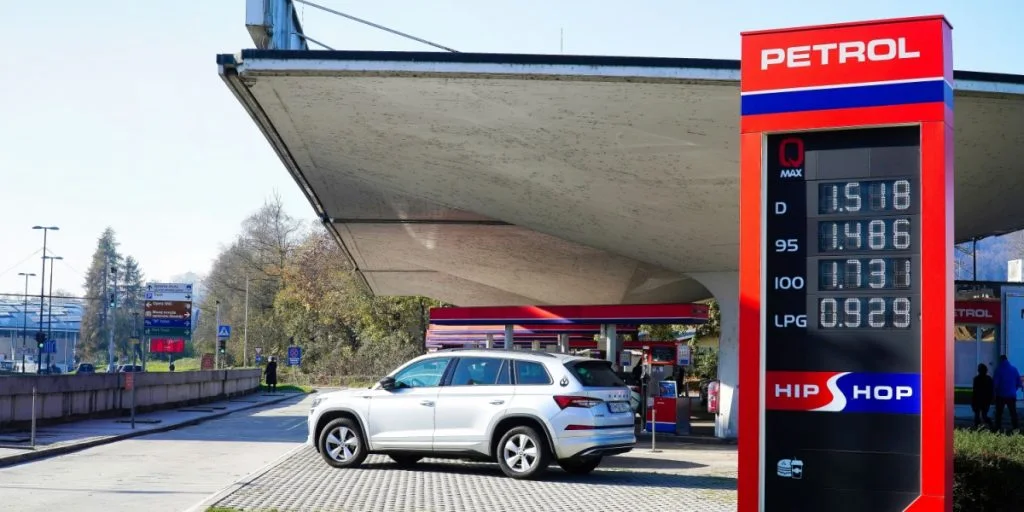
Oil prices are climbing fast, and the effects are showing up where it hurts most: Fuel bills, home loans and grocery costs. What began as a supply disruption is quickly turning into a broader economic strain. The question now is how long consumers can absorb it.


In Washington, officials are looking for quick ways to ease pressure. President Donald Trump said he could consider suspending the federal gas tax, describing it as “something we have in our pocket if we think it’s necessary.”
Such a move could shave a few cents off fuel prices, but analysts note, according to the New York Times, that it would not fix the underlying supply crunch driving the surge.
Treasury Secretary Scott Bessent suggested the spike may not last, arguing markets remain stable and predicting lower inflation after the conflict, citing “absolute security.”
Borrowing costs rise
Markets have already reacted. Bond yields have jumped as investors brace for more persistent inflation, and that shift is feeding directly into mortgage costs.


Freddie Mac data shows the average 30-year U.S. mortgage rate has risen to 6.38 percent, one of its highest levels since early autumn, reversing a brief period of easing that had encouraged buyers back into the market.
For a typical borrower, even a small rate jump can mean hundreds of dollars more per month. Some buyers are already pulling back.
“Unless the war is brought to a quick end, higher mortgage rates and softer labor market conditions will weigh on residential spending this year,” said Nancy Vanden Houten of Oxford Economics.
Inflation risks build
The broader inflation picture is shifting again. The OECD now expects U.S. inflation to reach about 4.2 percent this year, a sharp turnaround after months of gradual cooling and a level that edges closer to the spikes seen during the 2022 energy crisis.
The driver is straightforward: Less energy supply moving through one of the world’s busiest oil corridors means higher costs everywhere else. According to Reuters, attacks on shipping and energy infrastructure have cut traffic through the region and injected fresh volatility into global markets.
The OECD warned that prolonged disruption could test the global economy’s resilience and keep price pressures elevated, even as growth slows.
If that scenario holds, central banks may be forced to keep interest rates higher for longer. That would tighten credit, squeeze household budgets further and complicate political decisions as leaders head toward key elections and economic turning points.
Sources: The New York Times, Reuters, Oxford Economics



