
 August M
Economic warfare often shapes international relations just as much as battlefield movements.

When global tensions flare, powerful nations frequently look for new ways to tighten the financial and diplomatic screws on their adversaries, reports The Moscow Times.
Off-limits to soldiers
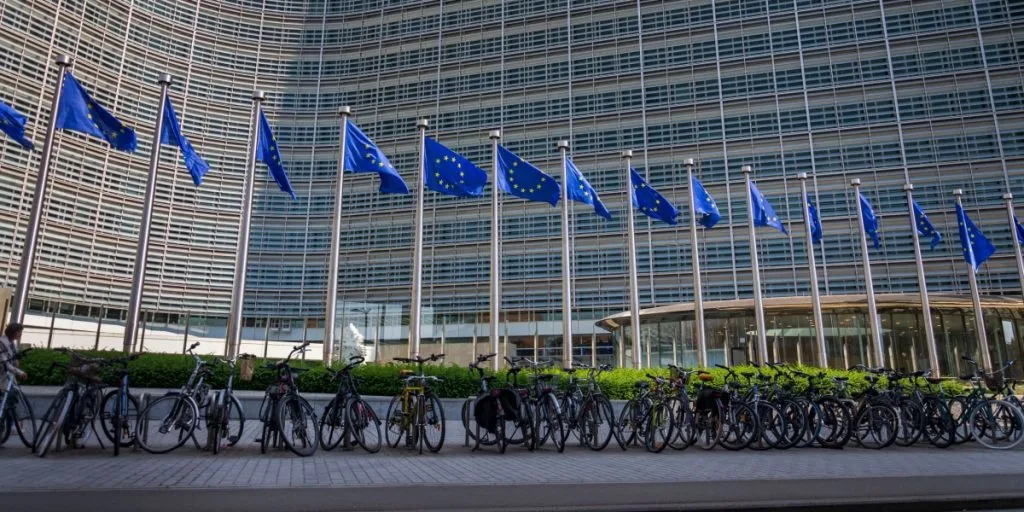
The European Union is preparing to roll out an aggressive new set of restrictions aimed directly at the Kremlin. According to a report by The Moscow Times, the newest proposal takes a personal aim at individuals who have actively participated in the conflict.
European Commission President Ursula von der Leyen announced the sweeping plan on Tuesday. The cornerstone of this policy involves a strict travel ban targeting military personnel.
“We propose for the first time to ban entry into the European Union for anyone who has served in the Russian armed forces since the beginning of the war,” von der Leyen stated. She explained that the goal is to “make sure that Europe stays off-limits for anyone who has participated in the invasion of Ukraine,”.


Freezing the profits
Beyond travel bans, the new package targets Moscow’s energy sector. Ongoing conflict in the Middle East has pushed global oil prices sky-high, and European officials want to stop Russia from cashing in.
To do this, Brussels plans to freeze the price cap on Russian crude oil at around $44 per barrel until January. The Moscow Times reported that the EU also intends to blacklist 30 additional transport ships belonging to Russia’s unflagged “shadow fleet” to enforce the rule.
The restrictions do not stop with fossil fuels. The draft package targets cryptocurrency platforms, banks, and third-party brokers who help dodge sanctions, while adding everyday seafood items like cod and Alaska Pollock to the trade ban list.
Pressure hits home
Foreign companies are also in the crosshairs. Officials revealed that the EU intends to ban 14 businesses based in mainland China and Hong Kong from buying European goods after they allegedly supplied the Russian military.
The human and economic toll within Russia continues to rise rapidly. “The price Russia pays is heavier by the day, and it is paid primarily by the people of Russia,” von der Leyen noted.
She added, “They are mourning sons, brothers, husbands, and at the same time they face declining living standards at home.”
Getting these rules passed will require patience. The proposed package must now go to the EU’s 27 member states for debate, where every single country must vote in favor for the measures to officially take effect.
Sources: The Moscow Times



