
 August M
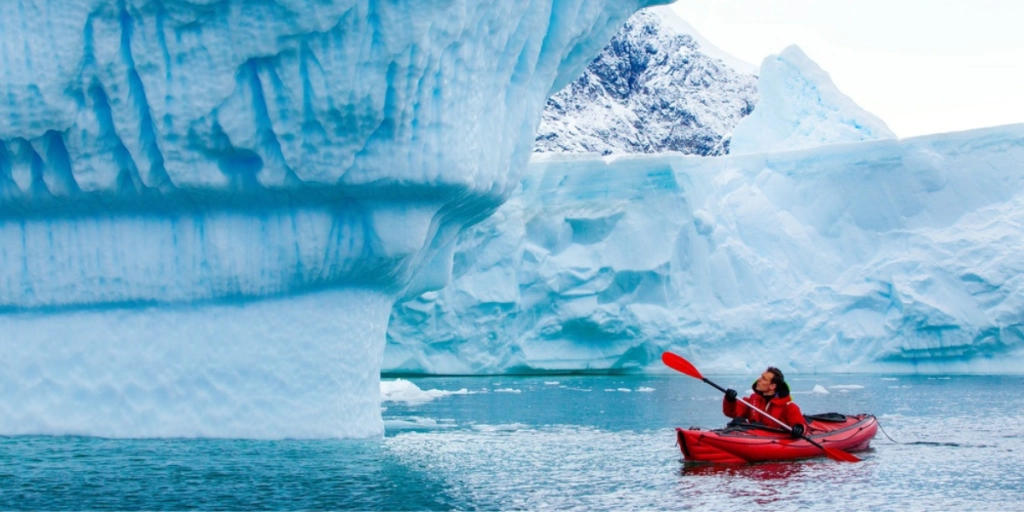
Deep inside the storage rooms of modern museums, millions of historical artifacts sit silently waiting for their moment in the spotlight.


Sometimes, an incredible treasure can be overlooked for decades simply because it was mislabeled by early explorers. According to DR News, a forgotten item tucked away in a simple cabinet has just rewritten what we know about our planet’s frozen ends.
Mislabeled and forgotten
A massive scientific breakthrough recently came to light after forty years in a drawer. It changed everything. According to a report by DR News, researchers finally identified a fossil that proves dinosaurs once roamed Antarctica.
The bone was originally discovered during a British expedition in 1985. Explorers logged it in a field journal but quickly hid it away. Because it looked ordinary, they assumed it belonged to a common reptile species.
That mistake lasted for decades. Recently, paleontologist Mark Evans spotted it in a collection drawer and trusted his sharp instincts. He immediately began examining the long-forgotten piece.


Evans opened up about the discovery during an interview with the BBC. “As soon as I saw it, I knew what we were dealing with… it was definitely a titanosaur,” he said.
A miniature giant
The London Natural History Museum revealed in a press release that the fossil is a piece of a tail bone. It belonged to a titanosaur, a group that includes some of the largest creatures to ever walk the earth.
Normal adults from this group could easily weigh around 15 tons. However, this specific creature was quite different. Experts believe it was either a juvenile or a unique dwarf species that grew to about six or seven meters long.
Finding this fossil completely changes our understanding of the frozen continent. Due to harsh weather and thick ice, Antarctica usually yields very few clues about ancient wildlife.
Green and lush
Life looked very different when this creature roamed the Earth roughly 82 million years ago. Paul Barrett, a researcher at the London Natural History Museum, explained how the landscape has shifted over time.
“When this animal lived, we know that Antarctica would have been covered in lush temperate forest that provided abundant food for large herbivores,” Barrett stated in the press release.
Back then, the frozen land was part of a massive supercontinent called Gondwana. This ancient landmass connected modern-day South America, Africa, India, and Australia into one giant territory.
By looking closely at the past, scientists can predict the future. As modern climate change causes the polar ice caps to melt, researchers expect to find even more prehistoric remains hidden beneath the snow.
Sources: DR News, BBC



