
 Nicolai Haugsted
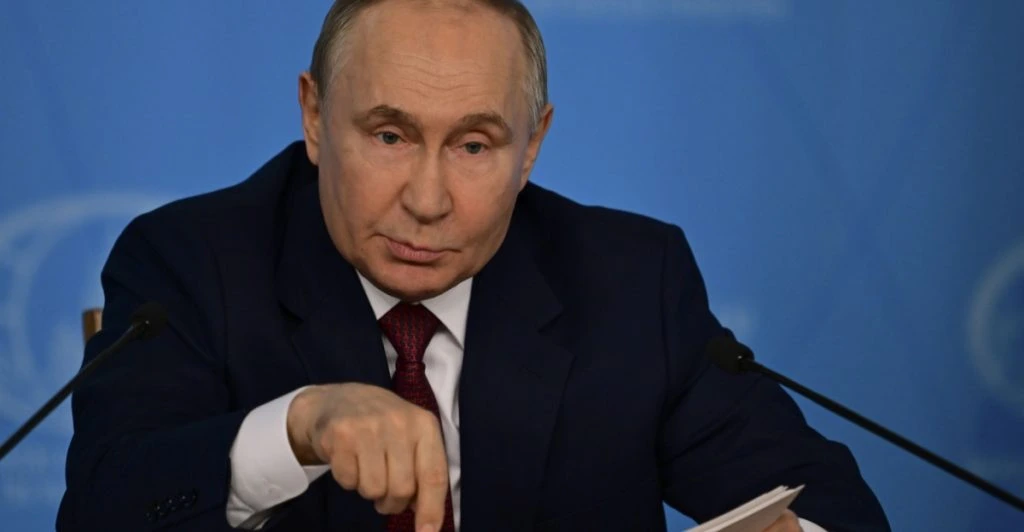
Russias escalation is closer than previously expected, according to military chief.


Military planners across Europe are increasingly speaking less about hypothetical threats and more about deadlines.
Fresh warnings from Germany’s top military leadership suggest NATO may have far less time to prepare for a potential confrontation with Russia than many Western governments previously assumed.
German military chief points to 2029
Germany’s army chief, Carsten Breuer, believes Russia could be capable of launching an attack against NATO territory by 2029 — or possibly even sooner.
“Different indicators – rearmament, the increase in the number of soldiers, economic and political changes – point to one date: 2029. Could it happen earlier? Yes,” said Carsten Breuer according to Italian media TV3.it.


Breuer argued that European militaries now need to focus on rapid combat readiness, stronger operational capabilities and long-term technological superiority.
Security officials across NATO have spent recent months warning that Russia continues adapting militarily despite heavy battlefield losses in Ukraine.
Growing concern inside NATO
Britain’s armed forces chief, Sir Richard Knighton, also recently warned that the broader security picture in Europe continues deteriorating.
“Russia is fighting in Ukraine, accumulating experience and drawing conclusions, introducing new technologies. At that time, [Vladimir] Putin expressed a desire to attack sovereign states. The closer you are to Russia’s border, the more this is felt,” said Richard Knighton.
Western defense officials increasingly believe the war in Ukraine is functioning as a large-scale testing ground for new Russian tactics, drone warfare and battlefield coordination.
Military analysts say NATO countries bordering Russia remain particularly alarmed by Moscow’s expanding production of weapons and ammunition.
Ukrainian drones strike Russian infrastructure
Concerns surrounding Russia’s future military capabilities intensified further following another wave of attacks deep inside Russian territory.
According to Ukrainian and Russian reports, large-scale drone operations targeted military and energy infrastructure overnight across several Russian regions.
Social media footage appearing online showed massive fires burning near the Ryazan oil refinery, one of Russia’s largest fuel-processing facilities.
Residents reportedly described hearing multiple explosions after drones were seen flying across the area.
Ryazan’s refinery has repeatedly become a target because of its role supporting Russia’s military logistics and fuel supplies.
Russian authorities claimed three people were killed while another 12 suffered injuries during the strikes.
Escalation continues on both sides
Moscow later announced that Russian air defenses intercepted roughly 450 Ukrainian drones overnight following another major Russian strike against Kyiv.
Ukrainian officials said at least 24 people were killed during attacks targeting the capital earlier in the week.
European military leaders now fear the continued escalation could further accelerate Russia’s military modernization and battlefield experience — precisely the scenario NATO officials increasingly warn about behind closed doors.



