
 August M
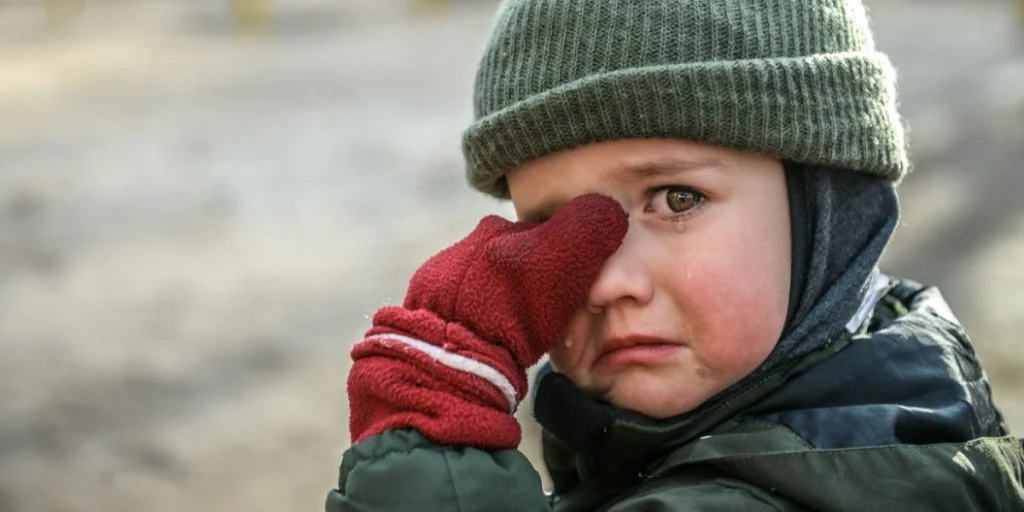
Behind the frontlines and battlefield updates, another crisis is unfolding across Ukraine. It is quieter, less visible, but affecting millions every single day.


The psychological toll of war is now becoming impossible to ignore.
Widespread strain
According to 20minutes, the mental health of Ukrainians has sharply declined since the start of the war.
A 2024 World Health Organization assessment found that “68% of Ukrainians report a deterioration in their health compared to the pre-war period,” with mental health emerging as the most affected area.
Nearly half of the population is now dealing with psychological distress linked to the conflict.


Daily pressure
Constant air raid alerts, missile attacks, and uncertainty have created a persistent state of anxiety.
“Almost everyone in Ukraine knows someone who has left, someone who lives on the front lines, or someone who is currently part of the army, and so there is a lot of stress or worry for their loved ones,” said Victoria Perez from Handicap International.
The closer people live to active combat zones, the more intense the pressure becomes.
Life disrupted
Basic routines have been upended, with power outages, limited services, and economic hardship shaping daily life.
Jeremy Fusco of Doctors Without Borders said “it is difficult for anyone confronted with conflict-related violence, whether directly or indirectly, to try to lead a life that resembles normal life.”
For vulnerable groups such as the elderly and disabled, the disruption is even more severe.
Grief and guilt
Loss has taken many forms, from deaths in combat to separation from family members and communities.
Some mourn loved ones, while others grieve the loss of their homes, stability, and future plans.
“Some people are living in conditions akin to boarding schools, in temporary housing that has been extended indefinitely, while others have had to completely reorganize their lives,” Fusco explained.
Silent suffering
Aid workers say many Ukrainians hesitate to seek help, often downplaying their own struggles.
“They thought, ‘I’m not so badly off,’” Victoria Perez noted, even when support is needed.
At the same time, people may feel guilty both for experiencing sadness and for moments of happiness.
“You don’t have to feel guilty for not being sad all the time,” Perez said, warning that unaddressed trauma could have long-term consequences.
Sources: 20minutes, WHO, Handicap International, Doctors Without Borders



