
 Kenneth Glad
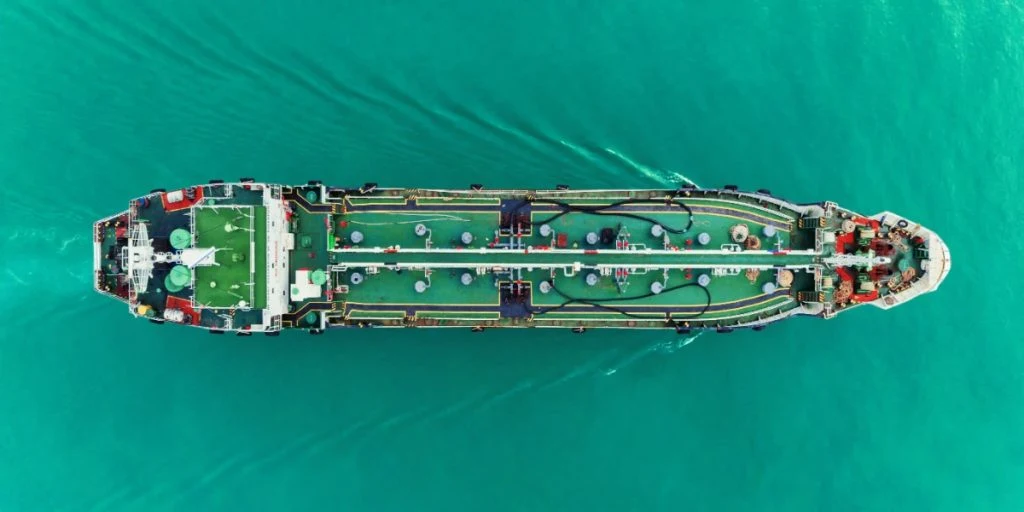
Oil prices are climbing as tensions around Iran disrupt shipping through the Strait of Hormuz, one of the world’s most important oil corridors. Brent crude has moved close to $100 a barrel as traders monitor tanker traffic and assess the risk of supply shortages. The price rally is now feeding into Russia’s oil tax revenues, as Asian refiners increase purchases of its crude.


India and China have increased imports of Russian oil as uncertainty grows around exports from the Gulf. According to tanker-tracking data, cited by Business Standard, combined purchases from the two countries rose about 22 percent in the week following the escalation around Iran compared with February averages.
India alone is importing roughly 1.5 million barrels per day of Russian crude, according to the data. Tankers carrying Russian oil are heading toward Indian refineries across the Indian Ocean.
China has also stepped up buying. Both countries became the main buyers of Russian crude after Western sanctions redirected Moscow’s energy exports following its 2022 invasion of Ukraine.
Stronger demand has pushed the price of Russia’s Urals crude higher and reduced the discounts that existed earlier this year.


Russia’s revenues increase
Higher prices are translating directly into government income through export taxes. Financial Times reporting shows Russia is earning up to $150 million per day in additional budget revenue during the current oil rally.
Industry estimates suggest the government collected between $1.3 billion and $1.9 billion in extra oil-related revenue during the first 12 days of the conflict, according to reporting cited by Ukrainska Pravda.
If prices remain near current levels, analysts believe the total windfall could climb to between $3.3 billion and $4.9 billion by the end of March.
The rebound reflects a sharp increase in the price of Russia’s Urals crude blend. Analysts cited by the Financial Times expect it to average between $70 and $80 per barrel this month, compared with roughly $52 in the previous two months.
Analysts say geopolitical disruptions often trigger short-term price spikes as traders anticipate supply shortages.
Hormuz disruption
The market shift is tied to disruptions around the Strait of Hormuz, the narrow waterway between Iran and Oman that normally carries about one-fifth of global oil supply.
The International Energy Agency has warned that global oil supply could fall by roughly eight million barrels per day in March if shipping constraints continue, potentially creating one of the largest supply shocks in decades.
The surge comes after a difficult start to the year for Russia’s energy sector. Energy revenues had fallen sharply, while exports dropped to around 6.6 million barrels per day in February, their lowest level since the early months of the Ukraine war, reports the International Energy Agency.
Borys Dodonov, head of the Energy and Climate Research Unit at the Kyiv School of Economics, told the Financial Times that the higher prices “will help Russia to meet budget indicators this quarter and even start saving some money”.
Analysts say the financial boost may fade if shipping through the Strait of Hormuz returns to normal and global oil supplies stabilize.
Sources: Business Standard, Financial Times, International Energy Agency.



