
 Nicolai Haugsted
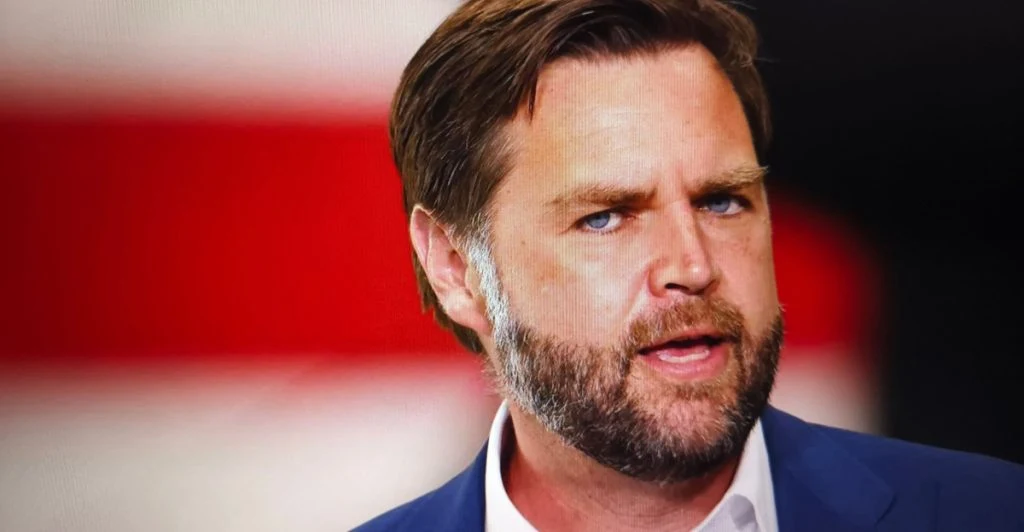
JD Vance responds to Epstein files criticism with surprising admission.


Questions surrounding the Trump administration’s handling of the Jeffrey Epstein files continue to fuel political debate in the United States. Now, Vice President JD Vance has publicly acknowledged that the White House mishandled one crucial aspect of the controversy – its communication with the public.
Appearing on The Joe Rogan Experience, Vance admitted the administration made significant mistakes in explaining its approach, while insisting there was no deliberate effort to conceal evidence.
Vance admits communication failures
During the wide-ranging interview, Vance argued that the administration should have released all available Epstein-related documents from the outset rather than allowing confusion to build.
“We absolutely screwed up the comms of the Epstein files. Like, we just did. But do I think the reason we screwed up the comms is because we were trying to hide something? No.”


According to the vice president, the communication problems should not be interpreted as proof of a cover-up.
Defends Pam Bondi
Vance also defended former Attorney General Pam Bondi, who faced heavy criticism after distributing binders labeled The Epstein Files: Phase 1 and Declassified. Many of the documents were already publicly available, leading critics to accuse the administration of overselling what had actually been released.
“I know Pam. I like Pam. I don’t think there was anything malicious going on. I think Pam was trying to respond to the political moment. I think she overstated what we had and what we didn’t have.”
The episode became a source of frustration among many Trump supporters, particularly because transparency surrounding the Epstein investigation had been one of Donald Trump’s campaign promises ahead of his return to the White House.
Pressure over remaining files continues
Criticism has not subsided since then. The Department of Justice delayed the release of additional Epstein documents several times before Congress ultimately approved measures compelling the administration to release a substantial collection of records tied to federal investigations.
Fresh controversy has since emerged after the Justice Department declined to provide New Mexico officials with unredacted files they requested as part of an investigation linked to Jeffrey Epstein’s former ranch.
New Mexico Attorney General Raul Torrez accused the federal government of obstructing the state’s investigation in a letter released last week.
The Justice Department rejected that accusation, arguing on social media that legal restrictions prevent officials from releasing the unredacted material.
“Federal law, court orders, and privacy protections for victims and witnesses do not allow us to release millions of unredacted documents.”
New Mexico authorities continue to investigate allegations connected to Epstein’s former property. Earlier this year, investigators searched the ranch using cadaver dogs and drones after an anonymous 2019 email—later included in the released Epstein files—claimed that two foreign girls had been buried on the estate. Authorities have not confirmed those allegations.



