
 Kenneth Glad
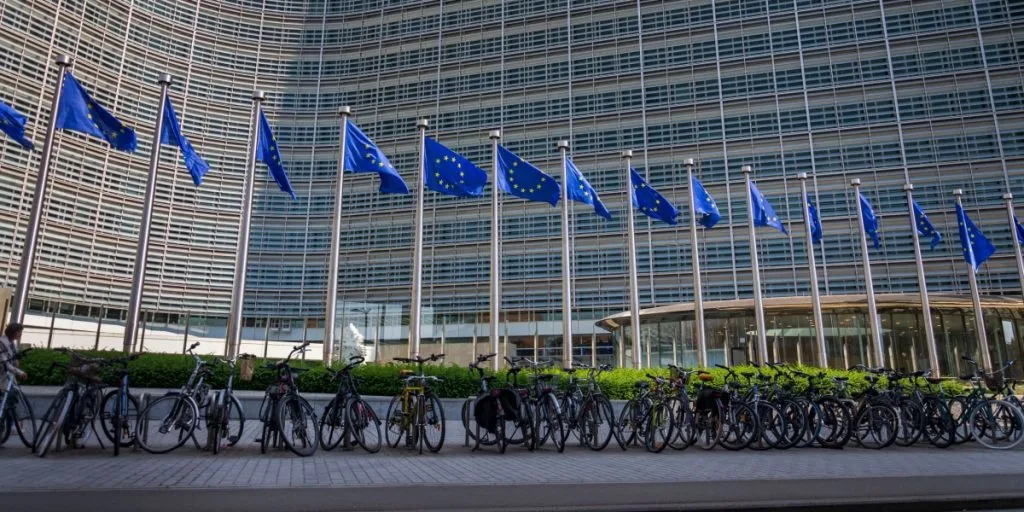
A new accusation from Moscow has sharpened tensions with the European Union, with Russian intelligence alleging the bloc is considering nuclear capabilities. The claim remains unverified and emerges amid ongoing disputes over Ukraine and Europe’s long-term security strategy.

The allegation is best understood within a broader backdrop of escalating information warfare between Russia and Western governments.
According to Russia’s state-run TASS news agency, Russia’s Foreign Intelligence Service (SVR) claimed that discussions are taking place within EU structures about the possibility of developing nuclear capabilities.
It portrayed such deliberations as destabilising and a threat to existing global safeguards.
No evidence has been publicly presented to support the assertion. EU institutions have not indicated any shift toward acquiring nuclear weapons and continue to operate within established international frameworks.


Reuters has previously reported that European defence discussions have instead focused on strengthening conventional capabilities and coordination within NATO, rather than pursuing independent nuclear arsenals.
Why Germany
The SVR statement draws particular attention to Germany, citing its technical expertise and nuclear-related infrastructure as potential assets.
That emphasis reflects Germany’s industrial capacity and its central role in European defence debates. In recent years, discussions in Europe have occasionally touched on nuclear deterrence, including French President Emmanuel Macron’s suggestion of extending France’s nuclear umbrella to European partners.
Even so, Germany remains legally bound by the Nuclear Non-Proliferation Treaty, which prohibits it from developing nuclear weapons.
The tone of Moscow’s remarks, including criticism of EU leadership, suggests a political message aimed as much at shaping perceptions as presenting verifiable intelligence.
Wider stakes
At the heart of the warning is the argument that any move toward EU nuclear capability would weaken the global non-proliferation regime and risk triggering a wider arms race.
Some Western analysts describe such claims as part of a broader strategy of narrative competition, where security messaging is used to influence both domestic and international audiences.
There is currently no confirmation from EU officials supporting the allegations. Instead, the episode underscores how nuclear policy remains a sensitive and contested issue in Europe’s evolving security landscape, where rhetoric and reality are often sharply at odds.
Sources: TASS, Reuters



